Did you know…
How many b-21 will be built?
Short answer
The US Air Force plans to buy at least 100 B-21 Raiders, the official programme of record since it was announced in 2015. Senior Air Force leaders have argued publicly for a larger fleet of around 145, but no change to the 100 figure has been formally approved (as of September 2026). Low-rate initial production was approved in early 2024 and deliveries will run well into the 2030s.
The programme of record
When the Long Range Strike Bomber contract was awarded to Northrop Grumman in October 2015, the US Air Force set a requirement for a minimum of 100 aircraft. That figure has survived every budget cycle since. It is a floor rather than a ceiling: the service has never published a formal maximum, and the contract structure, with fixed-price low-rate production lots, allows the quantity to be adjusted lot by lot.
The first B-21 Raider was unveiled at Palmdale in December 2022 and flew in November 2023. Low-rate initial production was approved in early 2024, and a second test aircraft joined the flight programme in 2025. Northrop Grumman has said its Palmdale line is sized for a modest rate, on the order of a handful of aircraft per year, which is why even 100 airframes will take well into the 2030s to deliver.
The push for more
Several Air Force leaders, including the head of Global Strike Command, have argued that 100 is too few for a two-theatre strategy, and a figure of about 145 has circulated in congressional testimony and think-tank studies. In 2025 Congress added money specifically to expand production capacity, a step that would be needed before any larger buy. Even so, the official requirement remained 100 as of September 2026, and any increase would need a formal decision in the budget.
Why the number matters
The B-21 will replace the B-1B and B-2A fleets outright and eventually take over from the B-52J, so the final quantity determines the size of the entire US bomber force for decades. The unit cost, roughly $700 million in 2022 dollars for the average production aircraft, also depends on volume: a larger buy spreads fixed costs and lowers the price of each airframe, one of the main arguments used by those who want more than 100.
More questions
Peter Haas (CC BY SA), vía commons Military aviation
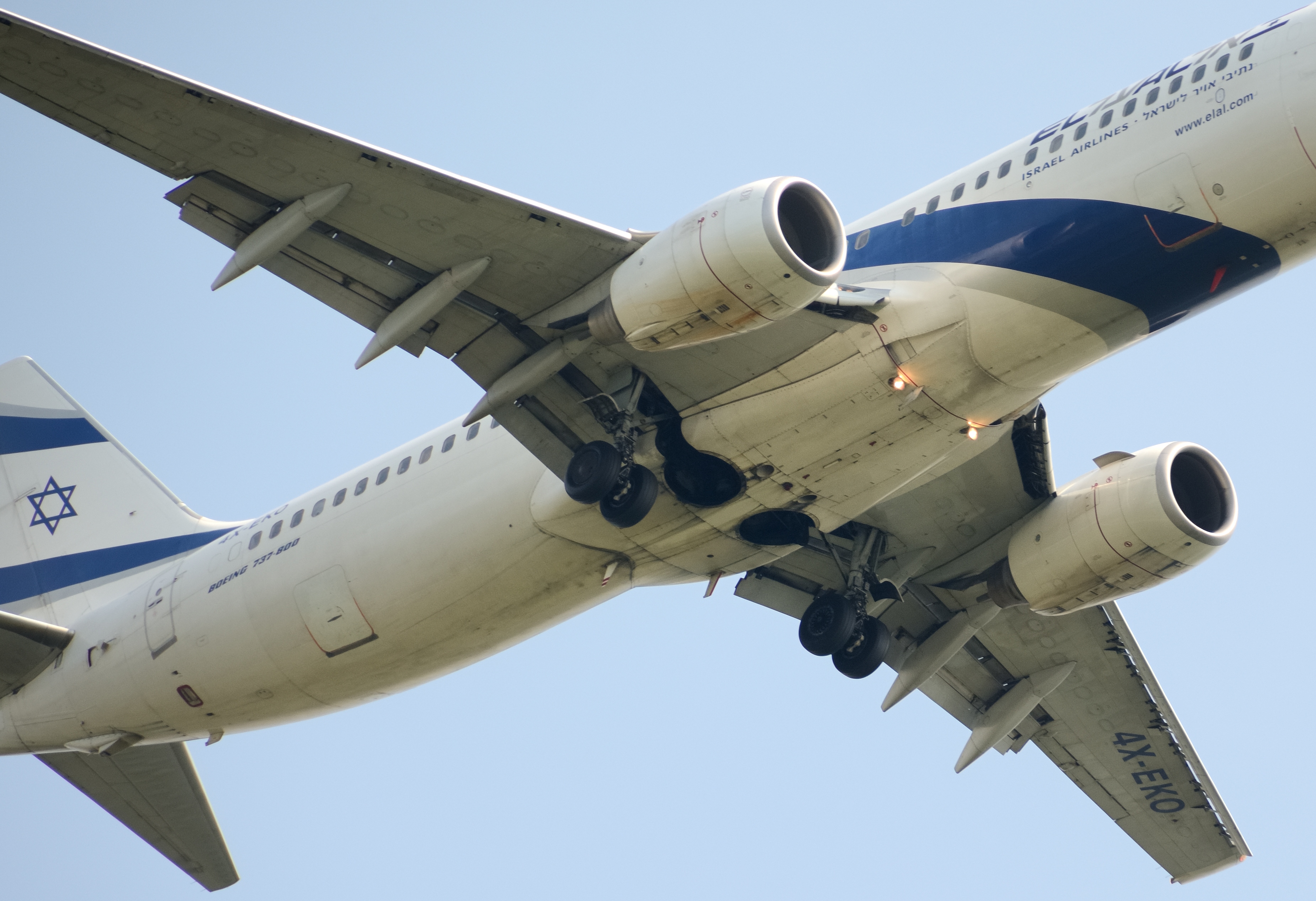
Why was the US Air Force's Boeing T-43 called "Gator"?
After its job: "Gator" is short for navigator. This modified Boeing 737-200 was used by the United States Air Force to train navigators, later called combat… more…
Military aviation
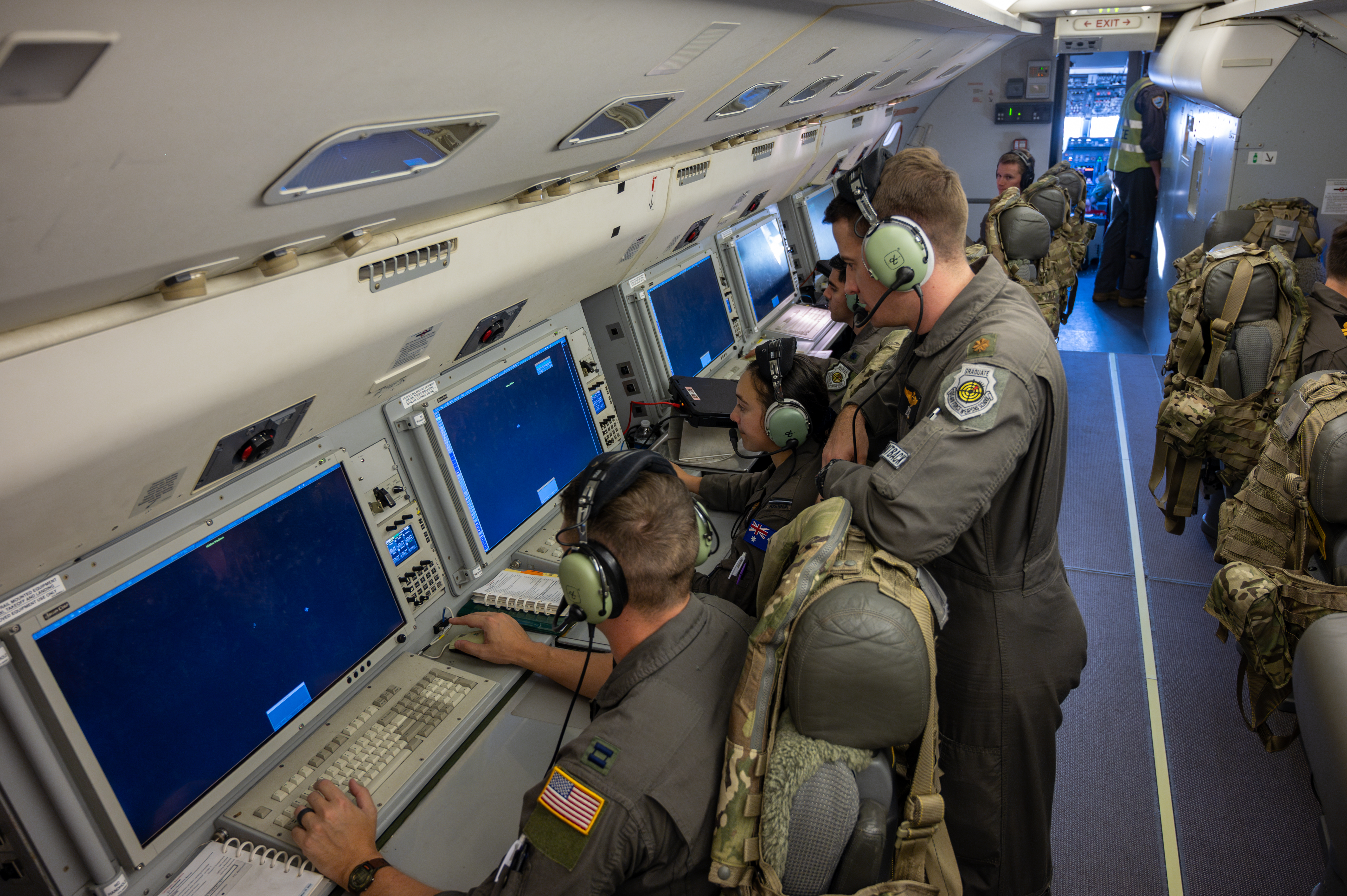
Where does the name of the E-7 Wedgetail radar aircraft come from?
The name comes from the wedge-tailed eagle, Australia's largest bird of prey. In 1996 Australia issued a request for tender for the RAAF under "Project… more…
Military aviation
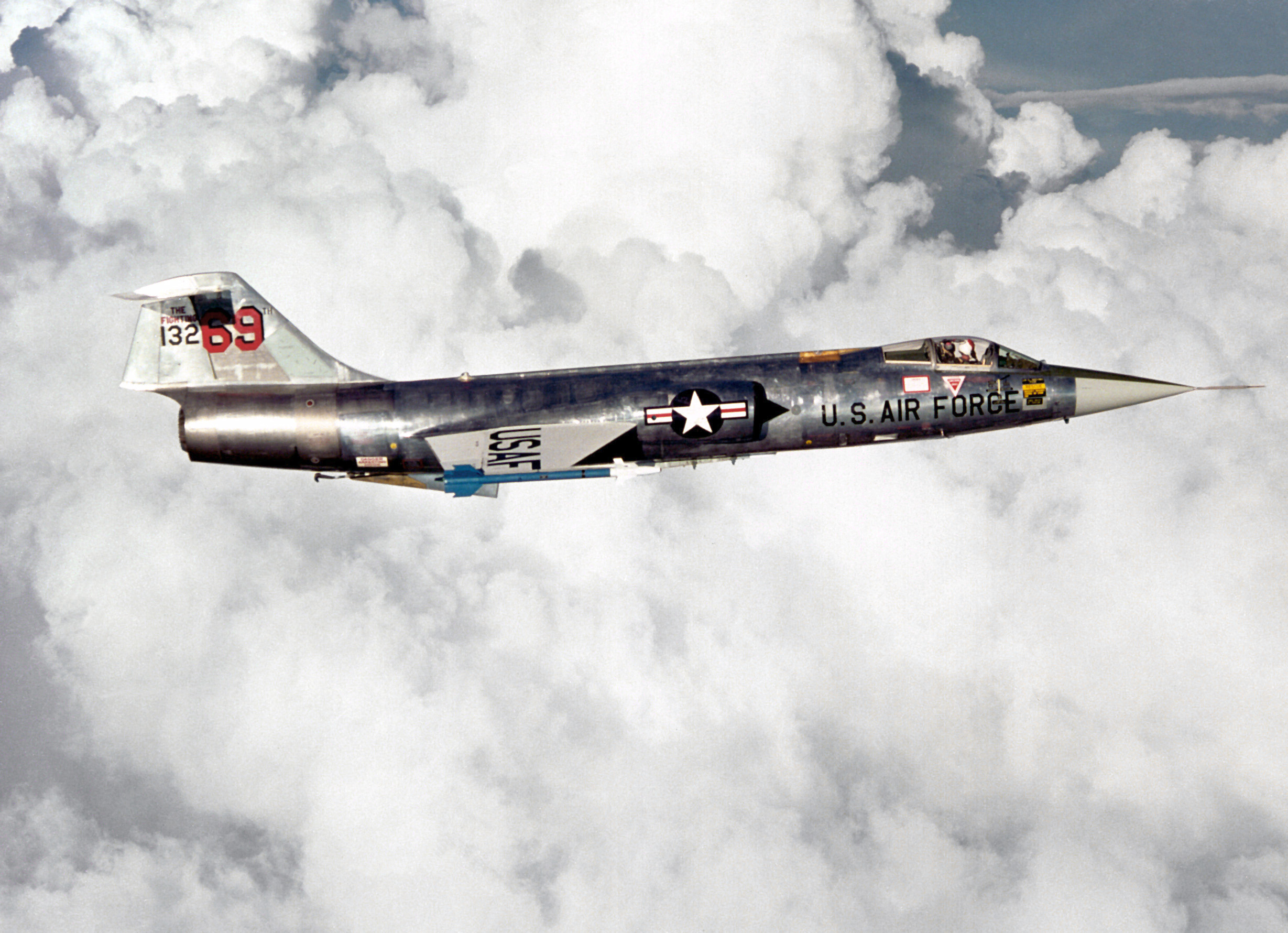
Did you know the F-104's first prototype had an ejection seat that fired the pilot downward?
Yes: the first prototype, the XF-104, carried a Stanley B seat that fired downward, out of fear that an upward-firing seat wouldn't clear the T-tail. Early… more…
Military aviation
Did you know the F-104 was tested being launched like a rocket, with no runway?
Yes: the F-104 was tested with Zero-Length Launch (ZeLL), with the fighter on a short ramp and a booster rocket underneath that fired it into the air within… more…
Military aviation
What part of the F-104s did Lockheed itself build?
Most production came from other factories: the F-104G was built by Lockheed, but also by Canadair and a European consortium with Messerschmitt/MBB, Dornier… more…
Military aviation
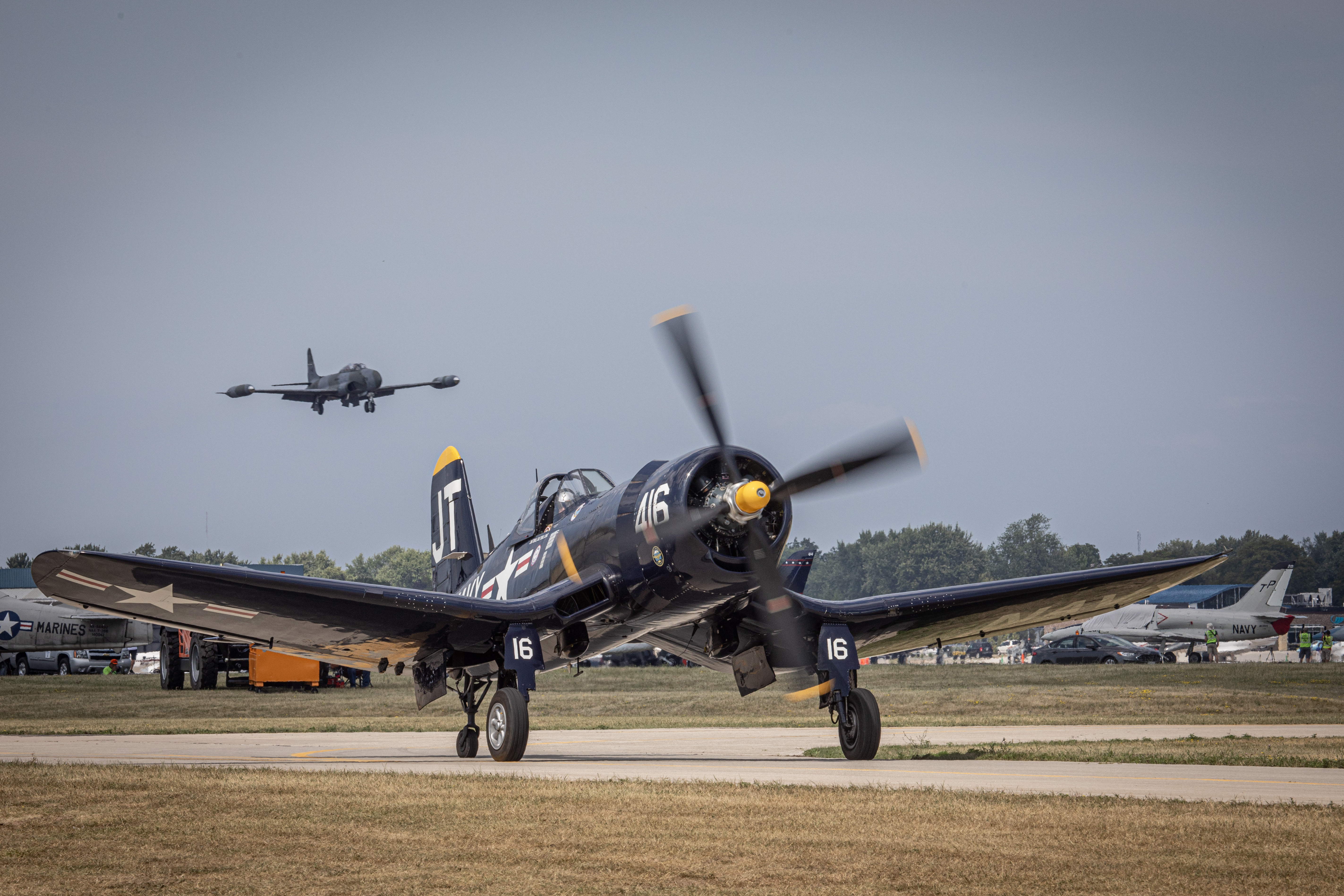
What nickname did young US Navy pilots give the Corsair because it was so hard to land on a carrier?
It was known as the "Ensign Eliminator," and not without reason. Early Navy pilots also called it the "hog," "hosenose," or "bent-wing Widow Maker." Its long… more…


