Did you know…
What is the Airbus A320?
Short answer
The Airbus A320 is a twin-engine, single-aisle, short-to-medium-haul commercial airliner with 150-180 seats, put into service by Airbus in 1988. It was the first airliner with digital fly-by-wire flight controls and a sidestick, and gave rise to the A318/A319/A320/A321 family and the re-engined A320neo of 2016.

An aircraft that changed the way pilots fly
The A320 made its first flight on 22 February 1987 in Toulouse and entered service with Air France in April 1988. Airbus, which until then had only built wide-body twinjets (A300 and A310), wanted to compete with the Boeing 737 and the McDonnell Douglas DC-9/MD-80 in the best-selling segment of the market. To stand out, it bet on technology: the A320 was the first commercial aircraft with digital fly-by-wire flight controls, in which pilot commands pass through computers that protect the flight envelope, and it replaced the traditional control wheel with a small sidestick. The cockpit, with screens instead of dial instruments, became the basis for the entire later range.
The family
On the same 3.95 m diameter fuselage, Airbus built a family with a common type rating: the stretched A321 (1994), the shortened A319 (1996) and the A318 (2003). The basic A320 is 37.6 m long, has a 34 m wingspan and carries between 150 and 180 passengers about 6,000 km with CFM56 or IAE V2500 engines. In 2016 the A320neo entered service, with new engines (PW1100G or LEAP-1A) and sharklet wingtips, cutting fuel burn by around 15% compared with the original A320ceo.
The best-seller
With more than 11,000 aircraft delivered and an order backlog of over 7,000 units, the A320 family overtook the 737 as the best-selling airliner in history in 2019 (data as of December 2024). It flies with almost every European and Asian low-cost airline and is built in Toulouse, Hamburg, Tianjin and Mobile (Alabama). Its longevity stems from the combination of an airframe that is simple to maintain, a common cockpit that lowers pilot training costs, and successive engine and avionics upgrades.
More questions
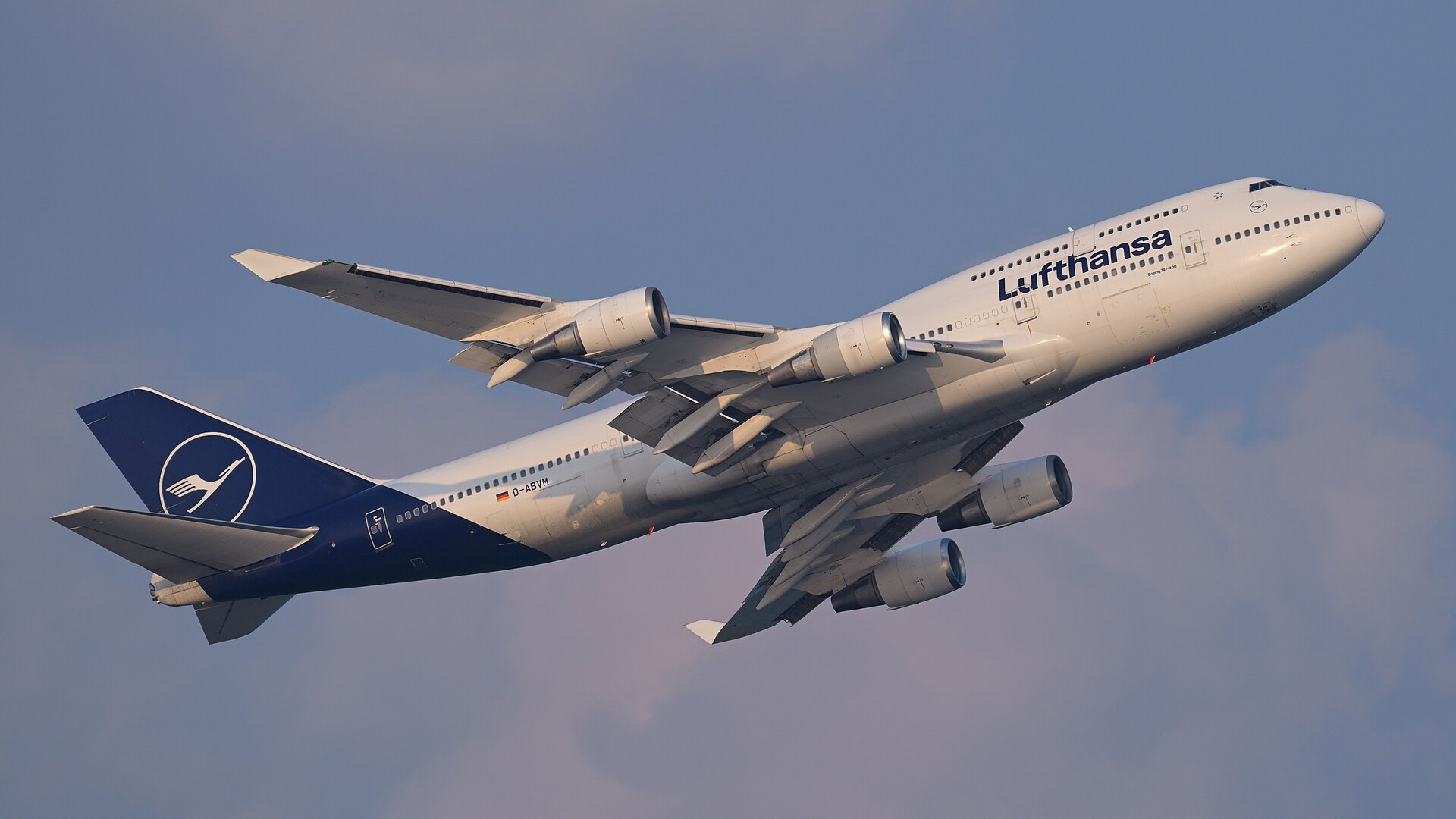
Foto: 4300streetcar (CC BY 4.0) Commercial aviation
Which 747 carried Enterprise "piggyback"?
The first Shuttle Carrier Aircraft was a Boeing 747-123 registered N905NA, originally built for American Airlines and acquired by NASA in 1974. Boeing… more…
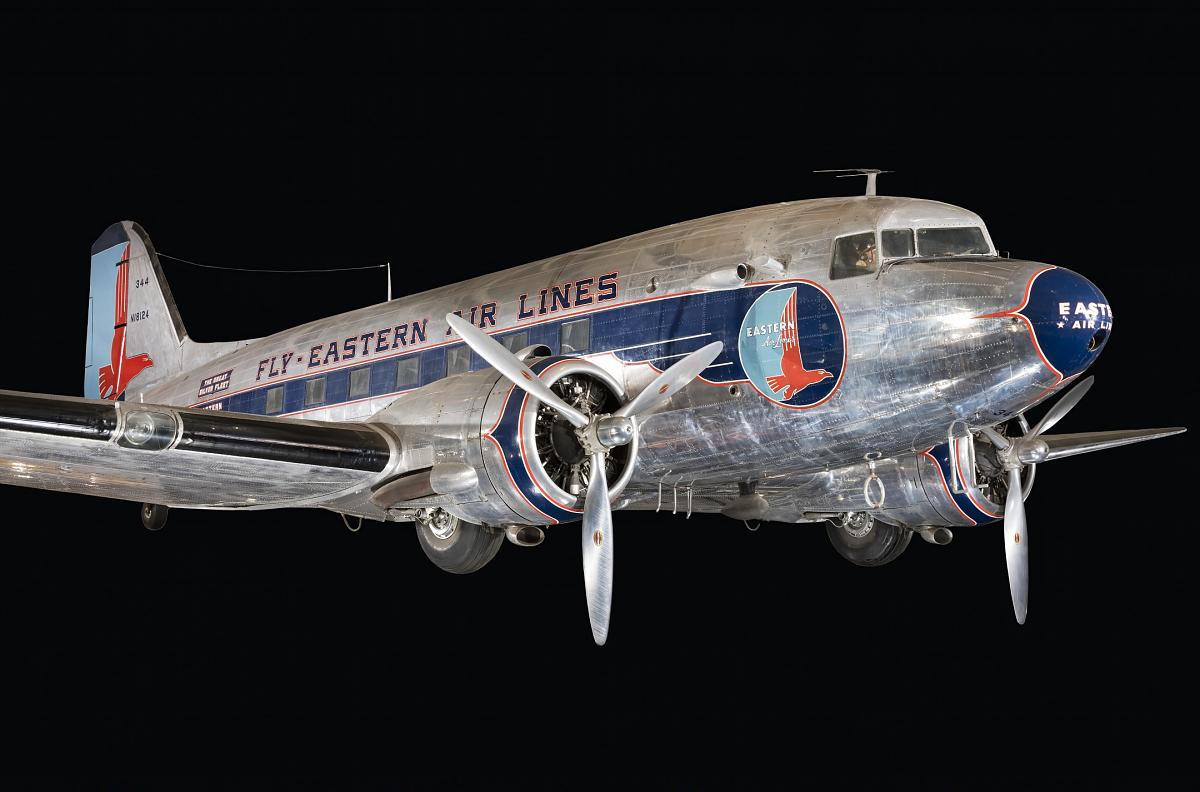
Commercial aviation
Was there an amphibious DC-3?
Yes: the Douglas XC-47C was created by fitting Edo Model 78 floats onto a standard C-47. The single-step metal floats carried retractable wheels that also… more…
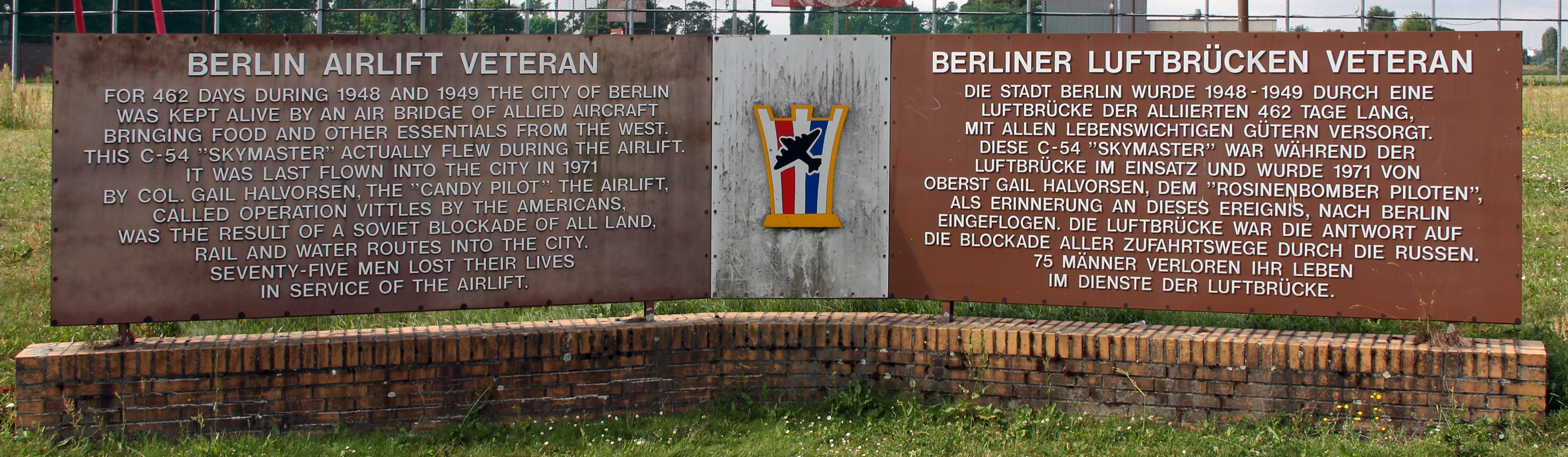
OTFW, Berlin (CC BY SA), vía commons Commercial aviation
Was a C-47 converted into a glider?
Yes: the Douglas XCG-17 was an assault glider created by converting a twin-engine C-47 Skytrain during World War II. Its engines were removed and the nacelles… more…
Commercial aviation
What did the USSR build from the DC-3?
The USSR built a version of the DC-3 under a licence granted to its government on 15 July 1936. It was designated PS-84 and, in 1942, renamed Lisunov Li-2… more…
Commercial aviation
What was "Puff, the Magic Dragon"?
It was the nickname of the Douglas AC-47 Spooky, the first in a series of fixed-wing gunships developed by the United States Air Force during the Vietnam War… more…
Commercial aviation
How did the RAF refer to the C-47?
The RAF called it Dakota: the Dakota I was the designation for 53 C-47s received under Lend-Lease. The Dakota III designated 962 C-47A Skytrains. The Dakota… more…


