Did you know…
What was the BQ-17 of Operation Aphrodite?
Short answer
There was no BQ-17: the B-17s of Operation Aphrodite were designated BQ-7. They were war-weary Flying Fortresses, stripped of weapons and loaded with explosives, guided by radio against bunkers and German submarine shelters. The crew parachuted out after handing control to a mother ship.

A bomber turned into a flying bomb
Aphrodite was the code name for a United States Army Air Forces operation to use war-weary Boeing B-17 Flying Fortress and Consolidated PB4Y bombers as radio-controlled flying bombs against bunkers and other hardened or reinforced enemy installations. Those aircraft were not designated BQ-17: Doolittle approved the plan on 26 June and assigned the 3rd Bombardment Division to prepare and fly the drones, which were to be designated BQ-7. The plan called for B-17E/Fs withdrawn from operational service, known by nicknames such as "robot," "baby," "drone," or "weary Willy," loaded to the limit with explosives and flown by radio control against bomb-resistant fortifications, such as German submarine shelters and V-weapon sites.
Preparation and loading
At the RAF base at Honington, B-17F and B-17G bombers were stripped of all combat armament and other non-essential equipment. The drone was loaded with an amount of explosive whose weight was more than double the normal bomb load of a B-17. The British Torpex used for this purpose was 50% more powerful than TNT alone.
Manned takeoff and remote control
Each drone was flown into the air by a volunteer crew of a pilot and a flight engineer up to an altitude of 2,000 ft (600 m) before transferring control to the CQ-4 operators. After handing over command, the two men armed the charge and parachuted out of the cockpit. The "mother ship" then guided the missile to the target. The USAAF also planned to equip war-weary B-24 Liberators with explosives and autopilots for use against defended targets in Japan, under the designation BQ-8.
More questions
L-Bit (CC BY SA), vía commons Military aviation
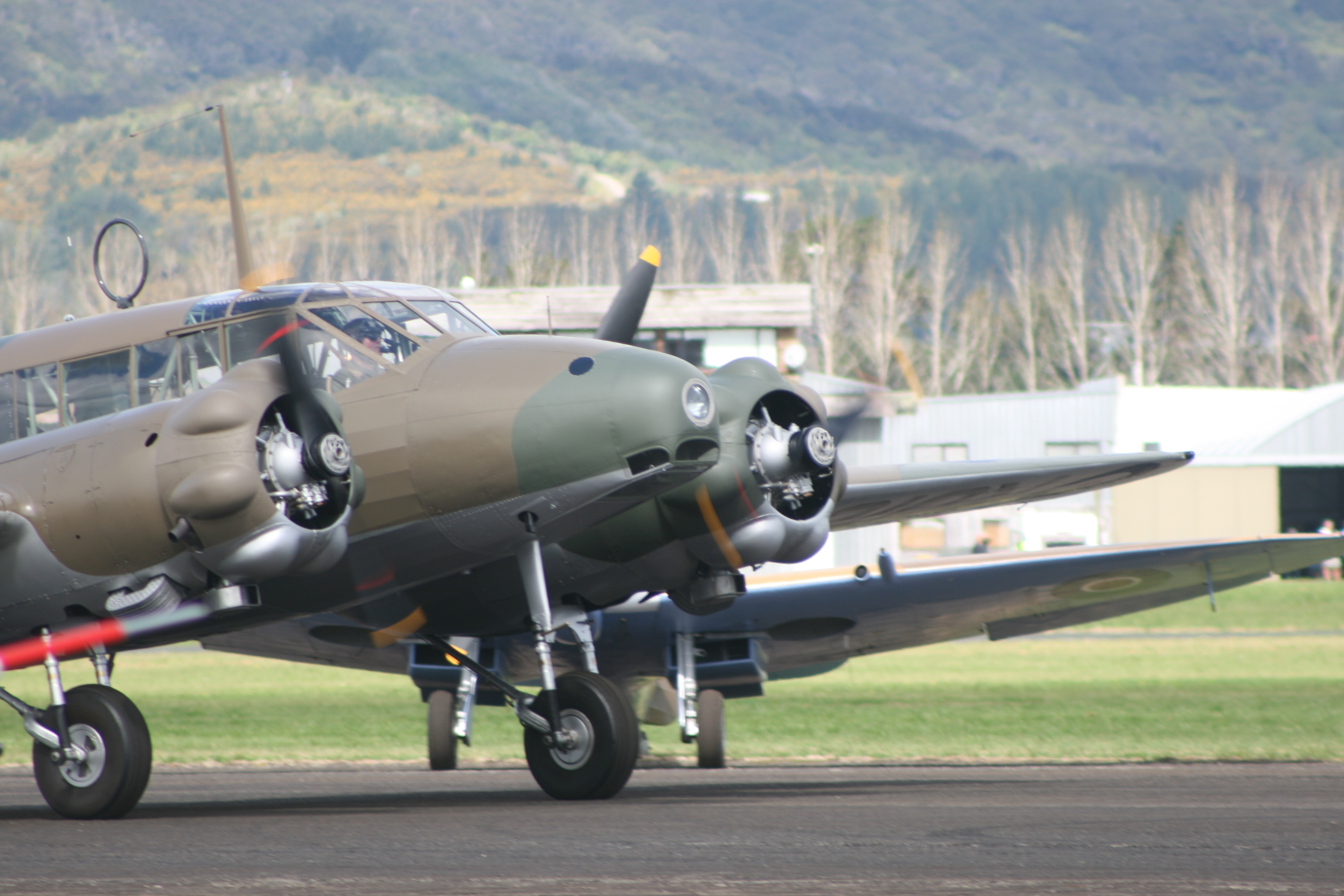
How many Anson Mk I were built?
6,688 or 6,742 Avro Anson Mk I were built, according to different sources; History of War, which gives the second figure, places 3,935 at Woodford and the… more…
Military aviation
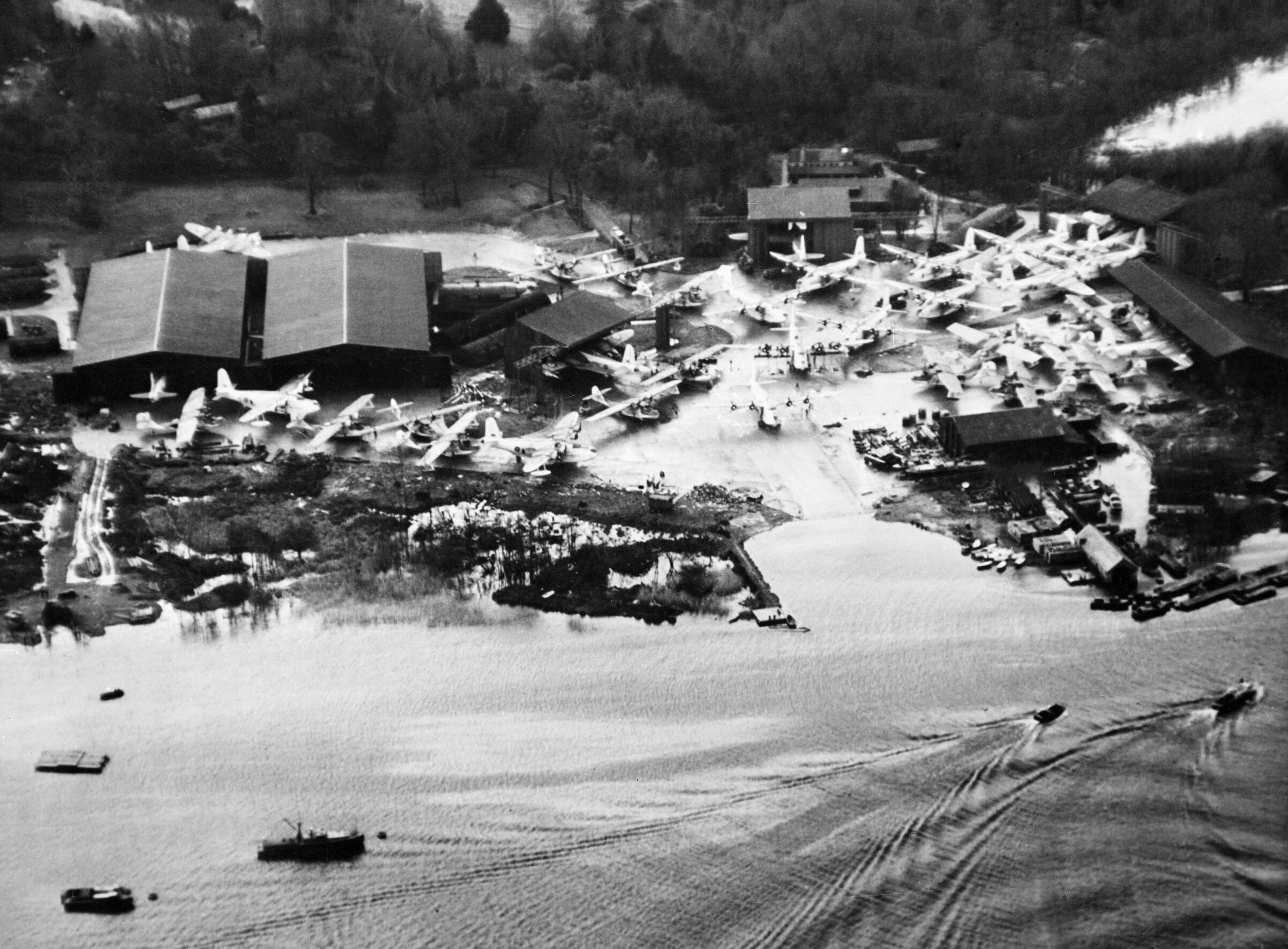
Which flying boats rescued the crew of the Kensington Court in 1939?
They were two RAF Sunderland flying boats: according to uboat.net, an aircraft of Squadron 228 and L5802 of Squadron 204 landed on the water next to the… more…
Military aviation
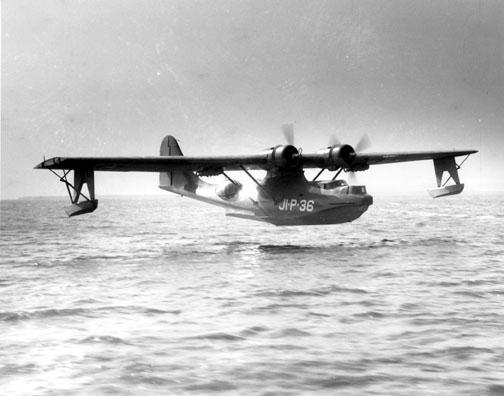
How long did Catalina convoy escort flights to the USSR last?
Many of the Catalina flights protecting convoys to the Soviet Union lasted between 15 and 20 hours and ended at Gryaznaya Bay (Murmansk) or at Arkhangelsk… more…
Military aviation
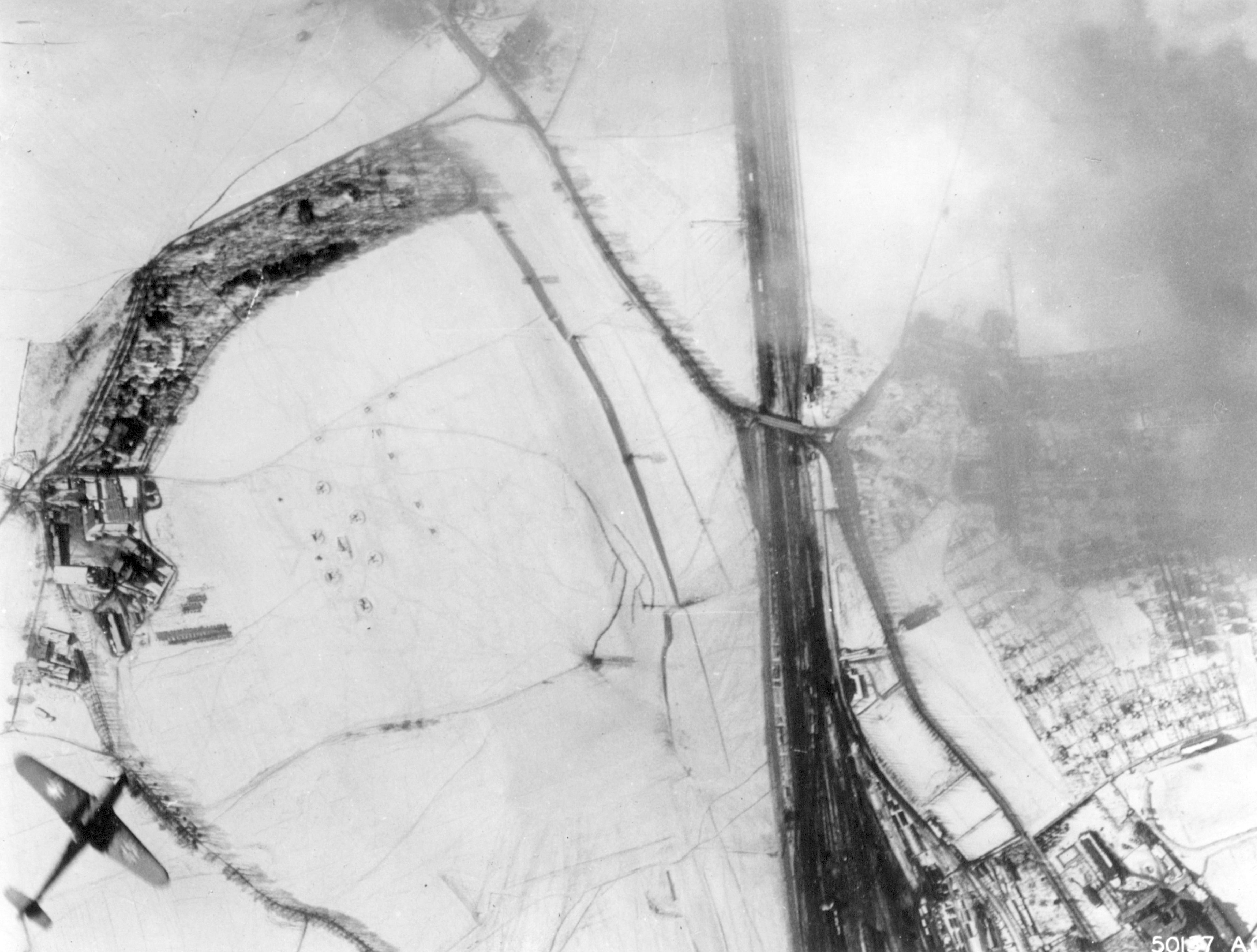
How many aircraft did the Axis lose in Crusader?
Around 332 aircraft destroyed and around 228 abandoned in the operation's tally, which took place between 18 November and 30 December 1941. According to their… more…
Military aviation
How many victories did No. 604 Squadron, the RAF night-fighter squadron, claim?
Around 127 aerial victories over the course of the war, 41 of them since May 1944. No. 604 (County of Middlesex) Squadron RAF spent most of the Second World… more…
Military aviation
Why did the "Torch" P-40Fs carry a flag on the fuselage?
To deter Vichy French forces from shooting them down: aircraft with yellow-outlined roundels sometimes had an American flag added in front of the roundel. The… more…


