Did you know…
What are military aircraft like?
Short answer
Military aircraft don't follow a single pattern: they range from 15-tonne supersonic fighters to transports of nearly 400 tonnes like the C-5 Galaxy. They share common traits: reinforced structures, low-visibility paint, self-protection systems, encrypted communications and the ability to operate from short or unprepared runways, always tailored to a specific mission.

One family, many silhouettes
Under the label "military aircraft" live machines that barely resemble each other. Fighters are small, supersonic and highly maneuverable. Attack aircraft and bombers trade agility for payload and range: a B-52 has a 56 m wingspan and carries over 30 tonnes of weapons. Transports like the C-130, the A400M or the C-17 have high wings, wide fuselages, rear ramps and landing gear built for unpaved runways. Tankers, early-warning aircraft and maritime patrol planes are usually derived from airliners, such as the Boeing 767 of the KC-46 or the 737 of the P-8, fitted with refueling booms, dome-mounted radars or sonobuoy bays.
What they all share
Despite the variety, there are traits that set any military aircraft apart from a civilian one. The structure is designed for heavier loads and to keep flying after taking damage. Critical systems are duplicated or armored, especially on attack aircraft and helicopters. The paint is low-visibility, in grays or camouflage patterns. Almost all carry radar warning receivers, flare and chaff dispensers and encrypted radios, and many can refuel in flight. National roundels are mandatory so the aircraft is recognized as belonging to the State.
Crews and service life
A fighter carries one or two occupants; a patrol or early-warning aircraft, a dozen systems operators. Military aircraft fly few hours per year compared with a commercial airliner, between 150 and 300 per unit, but under demanding conditions, and they remain in service for decades: the B-52 entered service in 1955 and will remain active past 2040. The crewed fleet is increasingly joined by drones, from reconnaissance quadcopters to high-altitude aircraft like the MQ-9 Reaper, with a 20 m wingspan and over 24 hours of endurance.
More questions
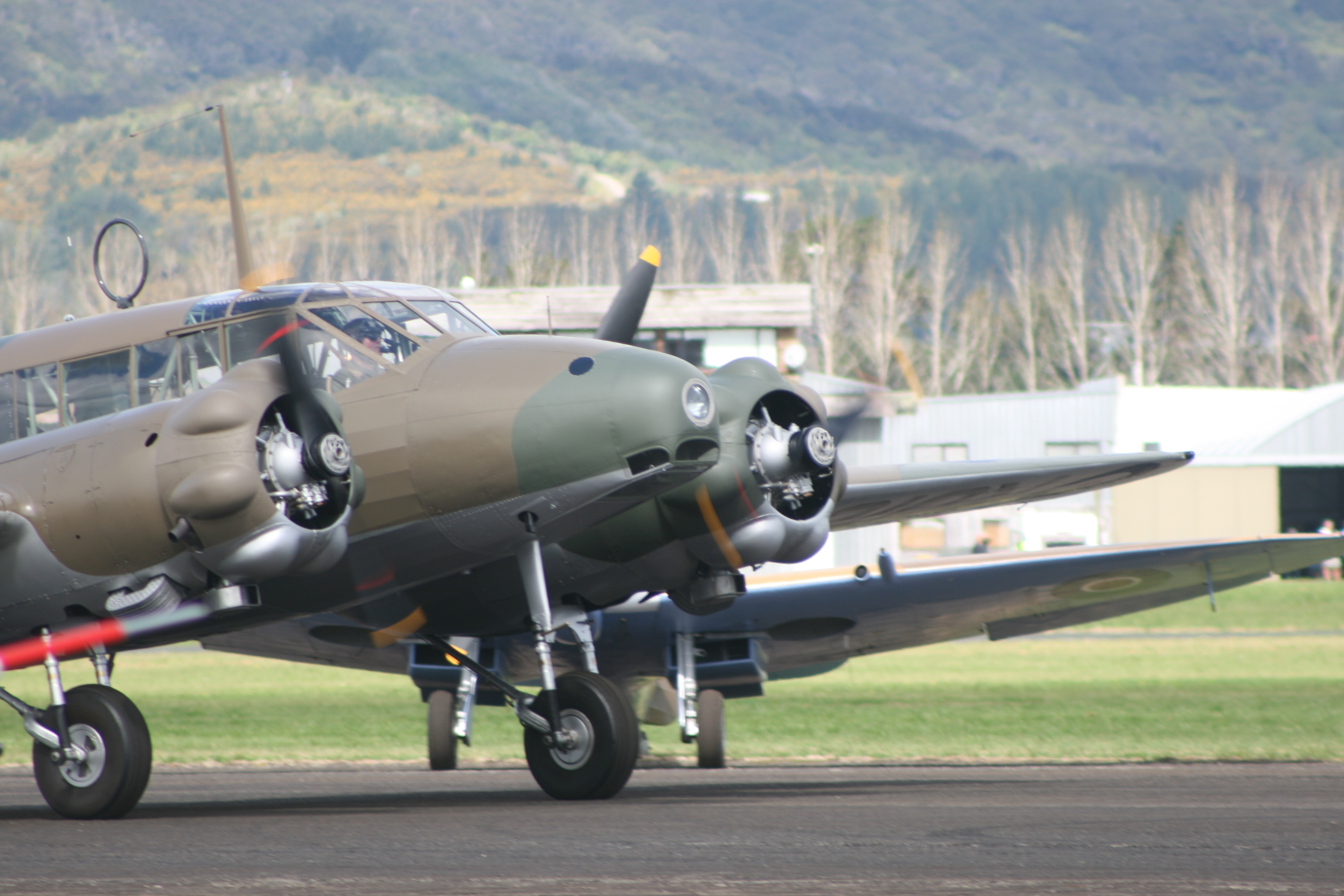
L-Bit (CC BY SA), vía commons Military aviation
How many Anson Mk I were built?
6,688 or 6,742 Avro Anson Mk I were built, according to different sources; History of War, which gives the second figure, places 3,935 at Woodford and the… more…
Military aviation
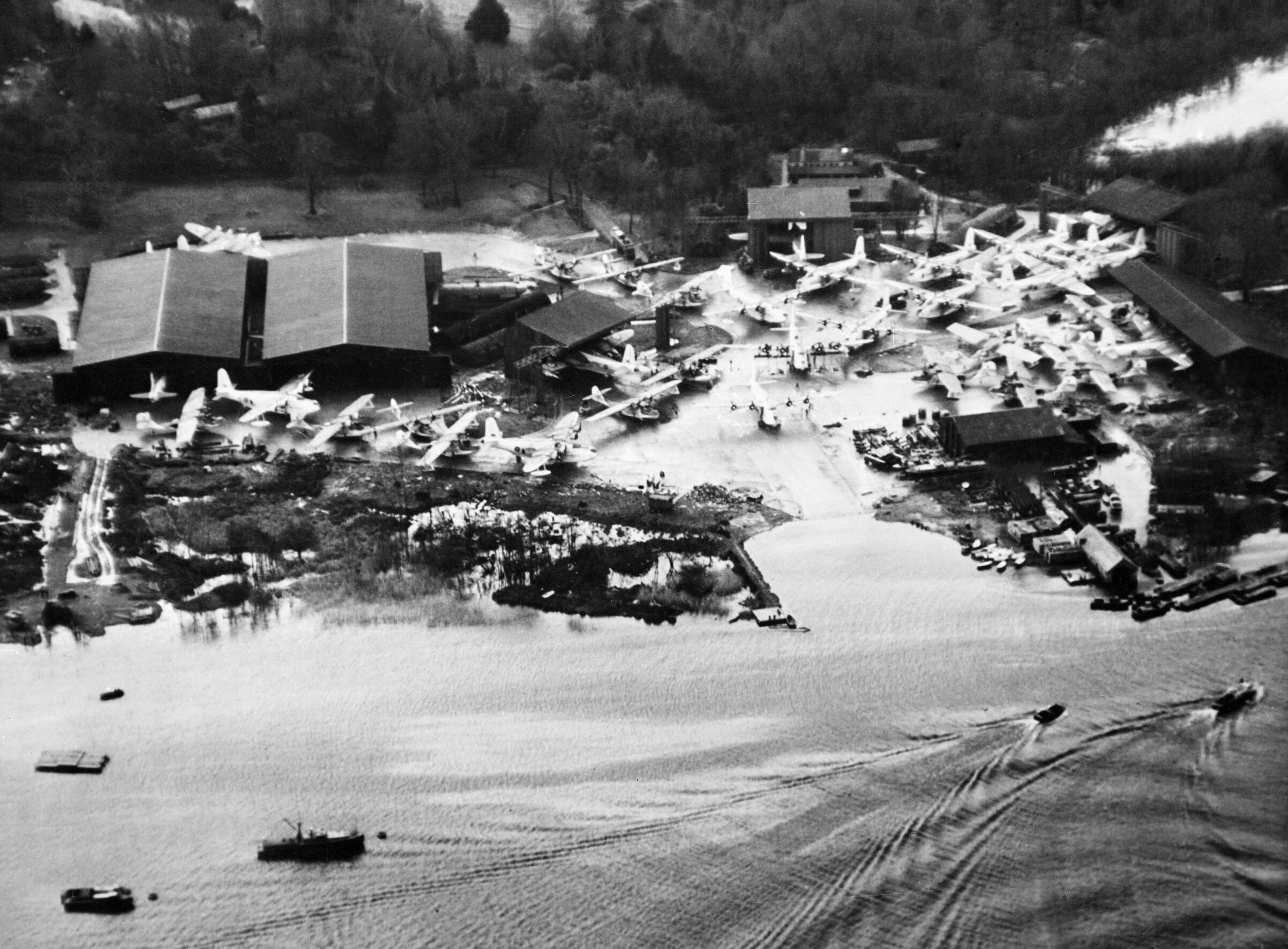
Which flying boats rescued the crew of the Kensington Court in 1939?
They were two RAF Sunderland flying boats: according to uboat.net, an aircraft of Squadron 228 and L5802 of Squadron 204 landed on the water next to the… more…
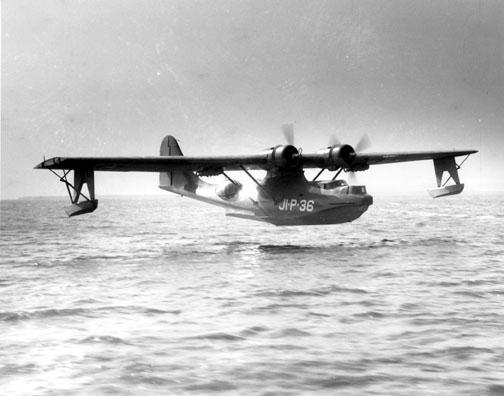
Military aviation
How long did Catalina convoy escort flights to the USSR last?
Many of the Catalina flights protecting convoys to the Soviet Union lasted between 15 and 20 hours and ended at Gryaznaya Bay (Murmansk) or at Arkhangelsk… more…
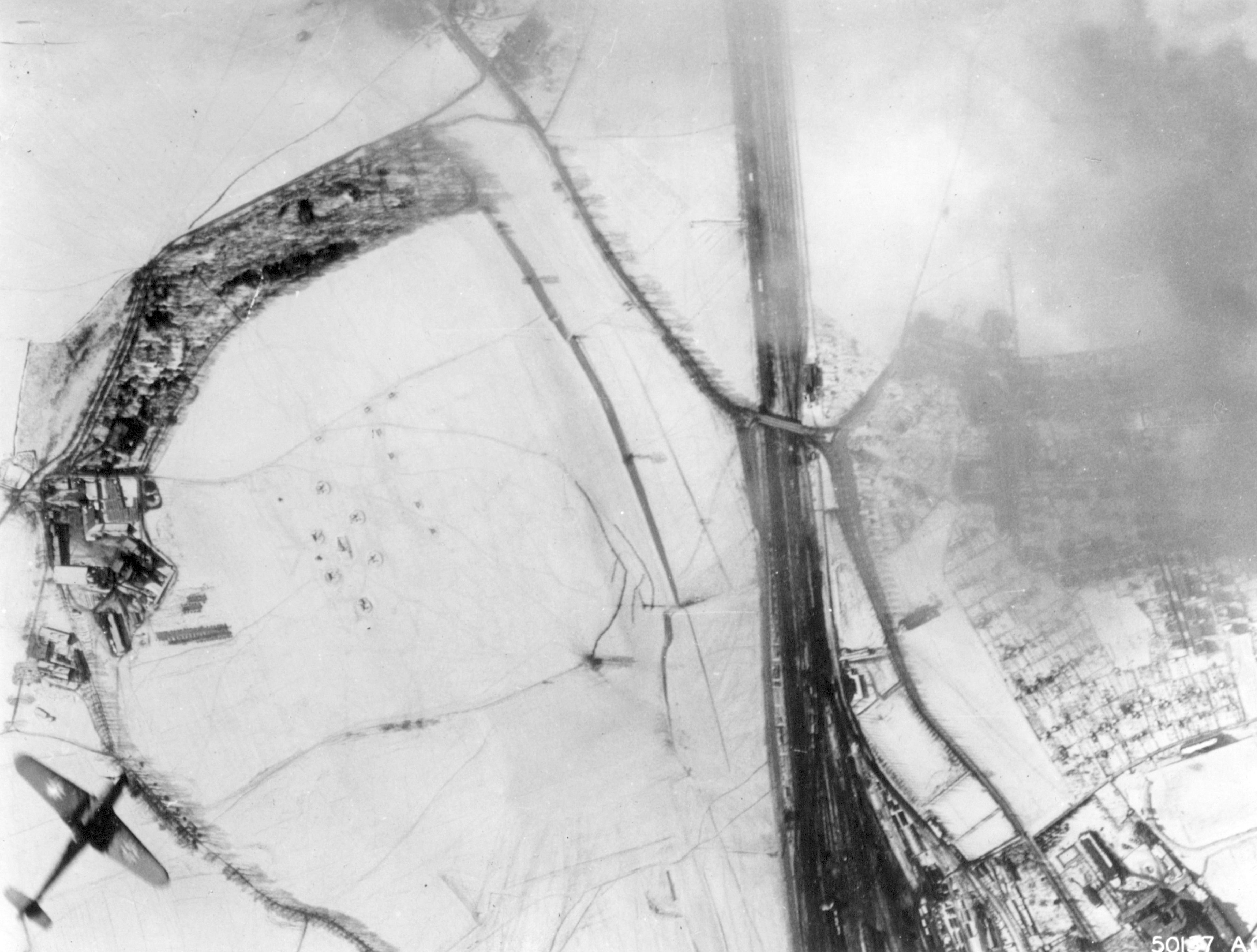
Military aviation
How many aircraft did the Axis lose in Crusader?
Around 332 aircraft destroyed and around 228 abandoned in the operation's tally, which took place between 18 November and 30 December 1941. According to their… more…
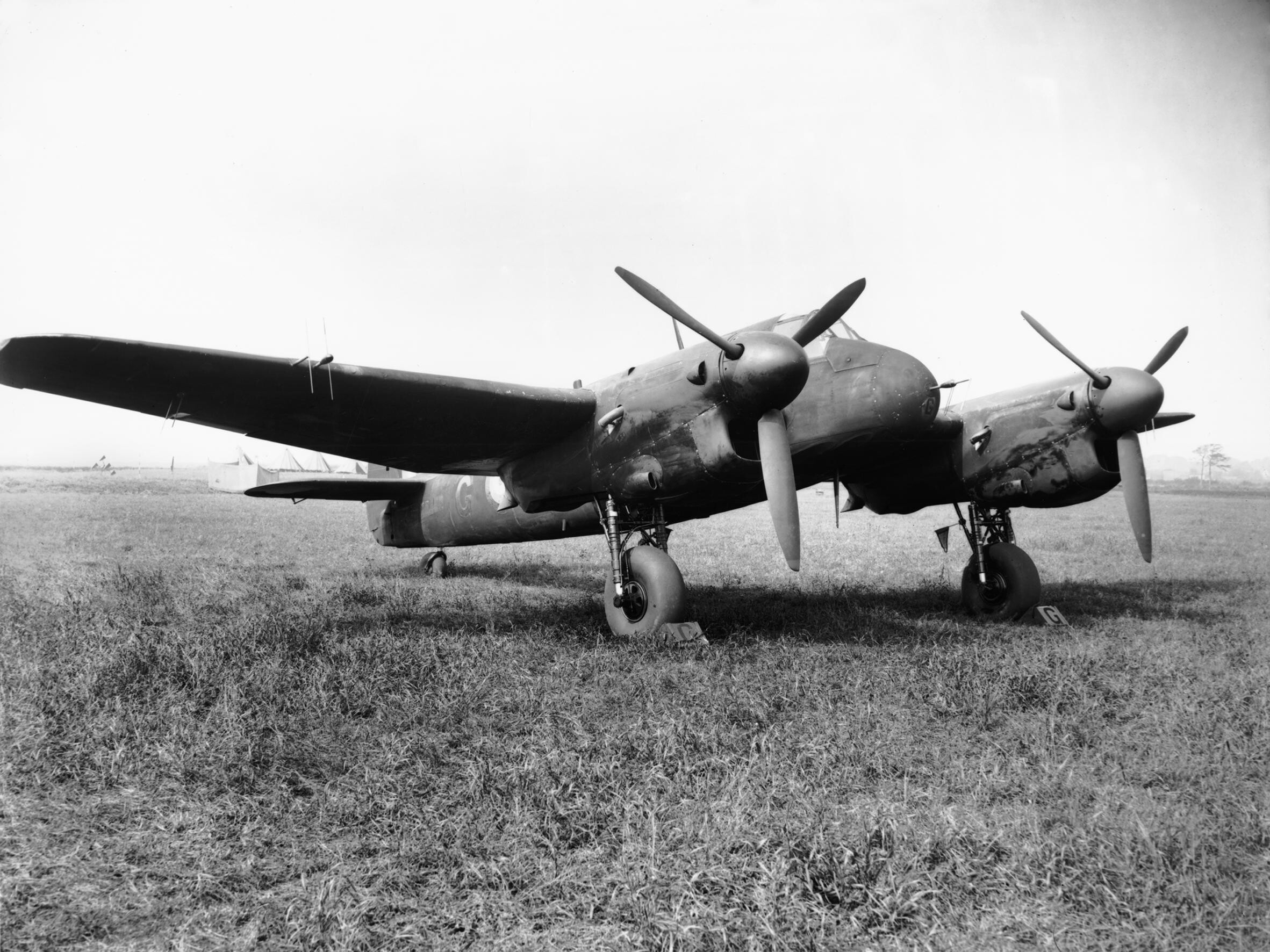
Military aviation
How many victories did No. 604 Squadron, the RAF night-fighter squadron, claim?
Around 127 aerial victories over the course of the war, 41 of them since May 1944. No. 604 (County of Middlesex) Squadron RAF spent most of the Second World… more…
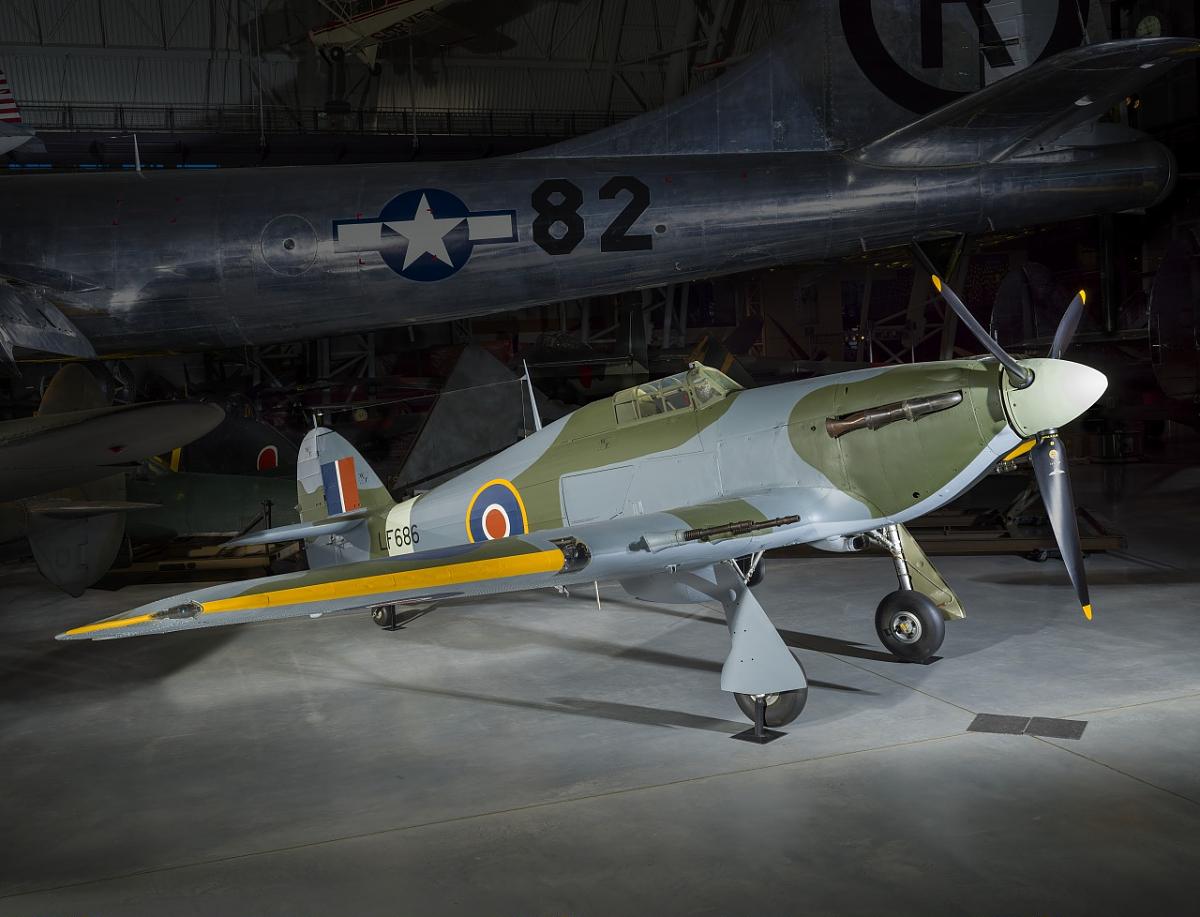
Military aviation
Why did the "Torch" P-40Fs carry a flag on the fuselage?
To deter Vichy French forces from shooting them down: aircraft with yellow-outlined roundels sometimes had an American flag added in front of the roundel. The… more…


