Did you know…
How did the J.I strafe ground targets?
Short answer
With a pair of fixed 7.92 mm Spandau LMG 08/15 machine guns, mounted aiming downward to strafe ground targets. The fuselage sides and bottom were armored with 5 mm chrome-nickel steel plate bolted to the wooden frame. German units began receiving it in April 1918.

Two Spandaus aimed at the ground
The Albatros J.I was armed with a pair of fixed 7.92 mm (.312 in) Spandau LMG 08/15 machine guns, aimed downward precisely to strafe ground targets.
A fuselage lined with steel
Both the sides and the bottom of the fuselage were covered with 5 mm thick chrome-nickel steel plate, bolted directly onto the wooden frame. That plate armor around the crew compartment weighed 490 kg (1,080 lb) and came at a substantial cost in performance.
Adequate engine, quick replacement
The J.I was fitted with the Benz Bz.IV engine, capable of delivering up to 150 kW (200 hp); that choice of powerplant, combined with a considerably heavier fuselage, was chiefly responsible for performance that was marginal at best. During April 1918 Luftstreitkräfte units began receiving the aircraft. By June 1918 the new Albatros J.II had already begun replacing the J.I at the front.
More questions
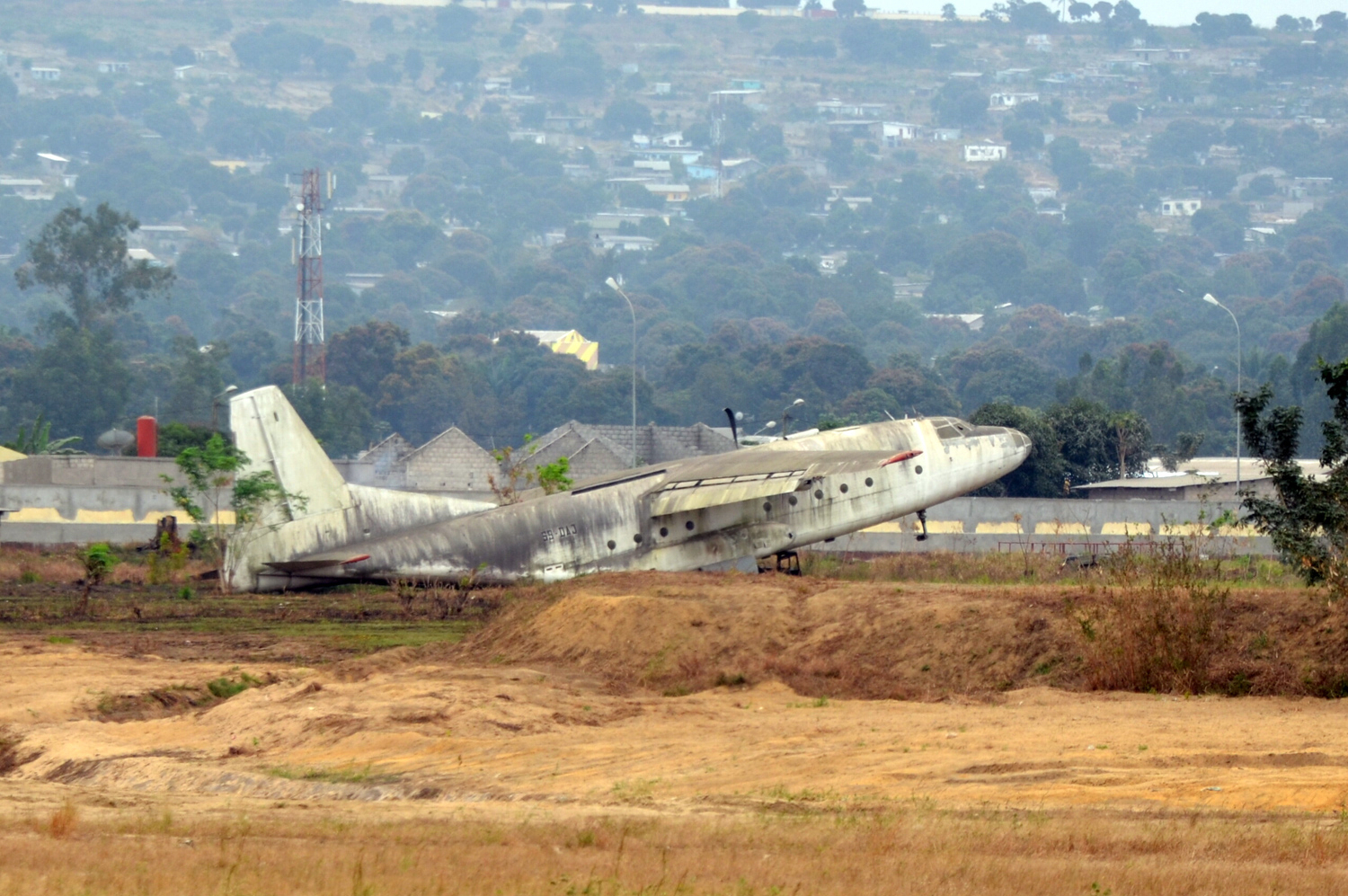
Vitaly Druchenok (CC BY SA), vía commons Aviation history
What "typically Russian" features did the An-8 have?
The An-8 was a Soviet light military transport with a high wing and two turboprops, featuring a glazed nose for the navigator, a chin radome for navigation… more…

RB7MRV (CC BY SA), vía commons Aviation history
Why is the E-25 called "Mirlo"?
Mirlo is the official nickname of the C-101 in Spain. The air force designated it the E.25 Mirlo, "Blackbird" in English, while CASA identified it as the… more…
RB7MRV (CC BY SA), vía commons Aviation history
What did CASA do with the C-101's first flight for safety?
CASA kept it deliberately simple: on 27 June 1977 the P1 only had to check the controls' response, and for extra safety its landing gear was not even… more…
RB7MRV (CC BY SA), vía commons Aviation history
What requirement made the C-101 fly inverted?
Among its requirements, the Aviojet had to be able to remain in inverted flight for 20 s and land at 100 knots (185 km/h). It also had to withstand load… more…

Aviation history
What was the An-2 called before it became an Antonov?
SKh-1. The letters stood for Sel'sko Khozyaystvennyi — pervoy, "agricultural, the first," and corresponded to the first design from Antonov's bureau, later… more…
Aviation history
At what altitude did the weather-research An-4 biplane fly?
Up to 10,000 m: the An-4 — the design-bureau designation for the meteorological An-2ZA, intended for high-altitude weather research — could maintain power up… more…


