Did you know…
How high does the B-2 fly?
Short answer
The B-2 Spirit has a service ceiling of 15,240 m (50,000 ft), according to the US Air Force. On missions it normally flies between 10,000 and 14,000 m, where its four F118 turbofans perform best and its stealth lets it cross defenses without dropping to low altitude, descending to around 7,000-8,000 m only to refuel in flight.

A 15,240-meter ceiling
The US Air Force sets the service ceiling of the B-2 Spirit at 15,240 m (50,000 ft). That figure is similar to other heavy bombers and slightly higher than airliners, which rarely exceed 13,000 m. On missions, the B-2 normally operates in the upper troposphere and lower stratosphere, between 10,000 and 14,000 m, where its four non-afterburning General Electric F118 turbofans perform efficiently and fuel consumption allows it to make the most of its roughly 11,000 km (6,000 nautical mile) range without refueling.
Altitude and stealth
Unlike the bombers of the 1960s, designed to penetrate at low altitude under radar, the B-2 doesn't need to hide behind terrain. Its flying-wing shape without a tail fin, radar-absorbent materials and the absence of vertical surfaces reduce its radar signature to the point that it can fly at high altitude over modern air defenses without being detected in time. Flying high also brings advantages: less fuel burn, less turbulence and greater range for guided bombs, which glide from the release altitude. Its weapons are always carried in internal bays so as not to break that geometry.
The flight in practice
B-2 missions are extremely long: in 2001 some flights from Whiteman (Missouri) to Afghanistan exceeded 40 hours with aerial refueling, and in 2025 the operation against Iranian nuclear facilities lasted around 37 hours round trip. On those flights altitude varies: the aircraft descends to refuel from a tanker at around 7,000-8,000 m and climbs back up afterward. Nineteen aircraft remain in service, all based at Whiteman (as of September 2026), pending the arrival of the B-21 Raider, which will inherit the same high-altitude, stealthy flight concept.
More questions
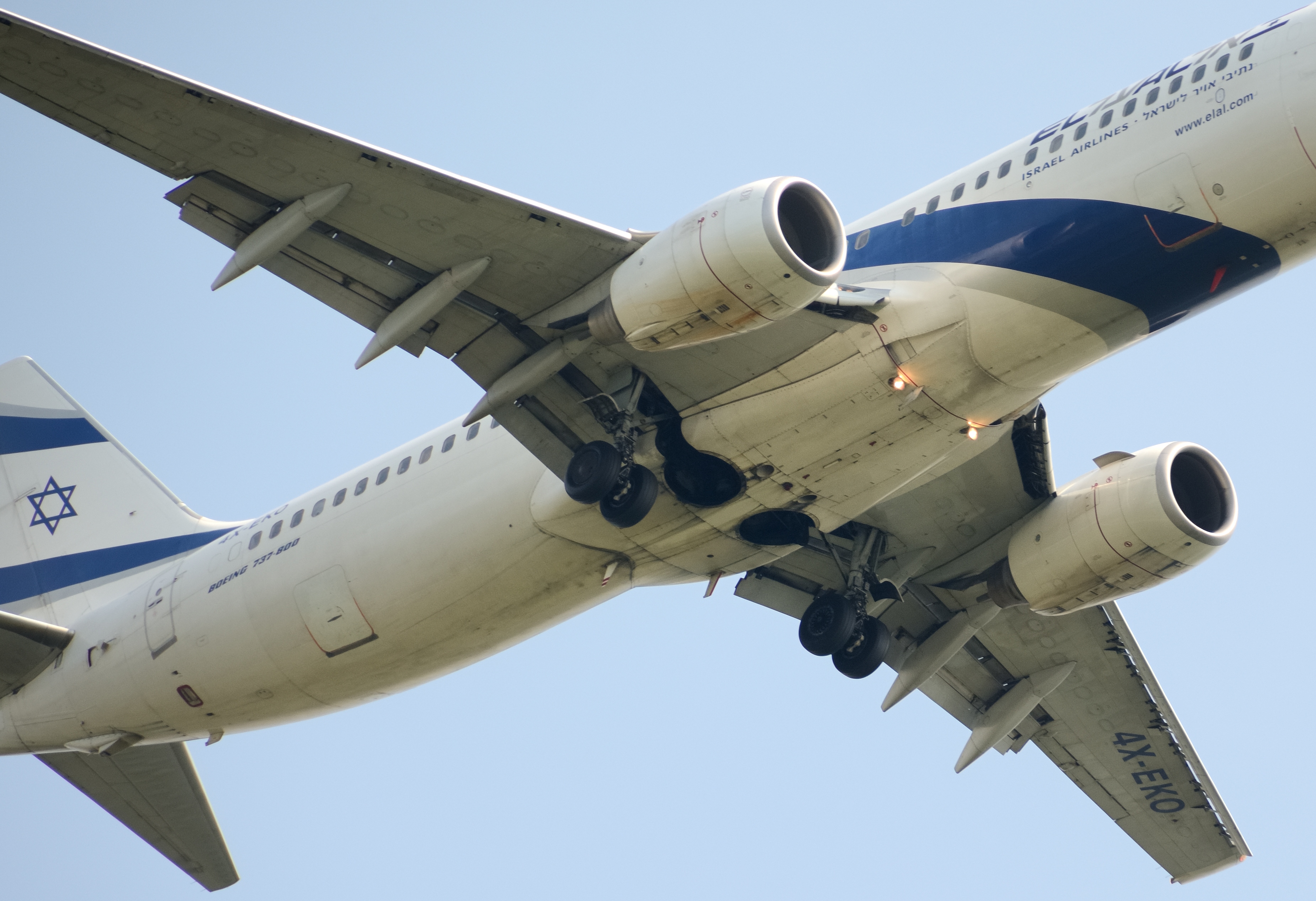
Peter Haas (CC BY SA), vía commons Military aviation
Why was the US Air Force's Boeing T-43 called "Gator"?
After its job: "Gator" is short for navigator. This modified Boeing 737-200 was used by the United States Air Force to train navigators, later called combat… more…
Military aviation
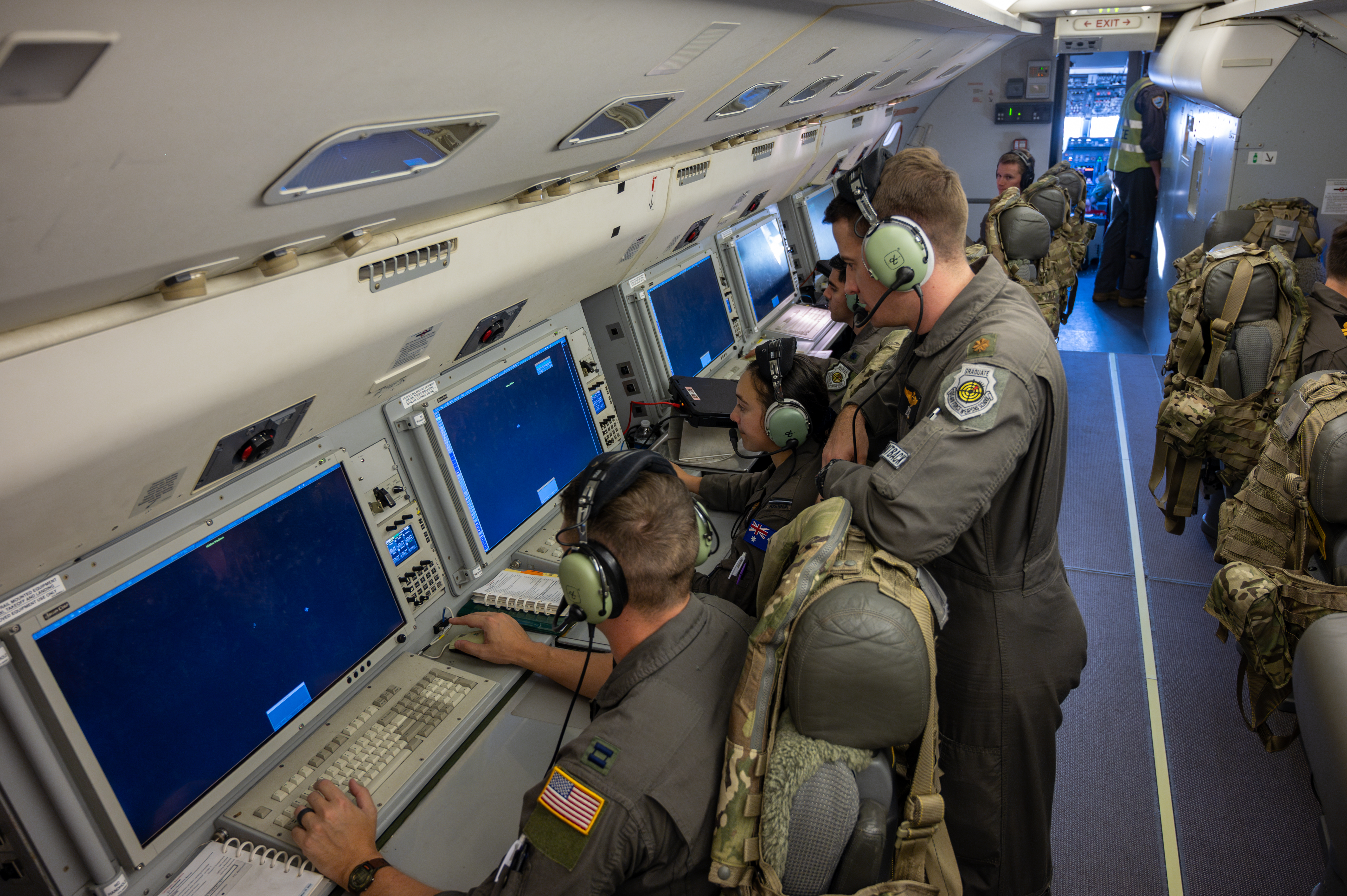
Where does the name of the E-7 Wedgetail radar aircraft come from?
The name comes from the wedge-tailed eagle, Australia's largest bird of prey. In 1996 Australia issued a request for tender for the RAAF under "Project… more…
Military aviation
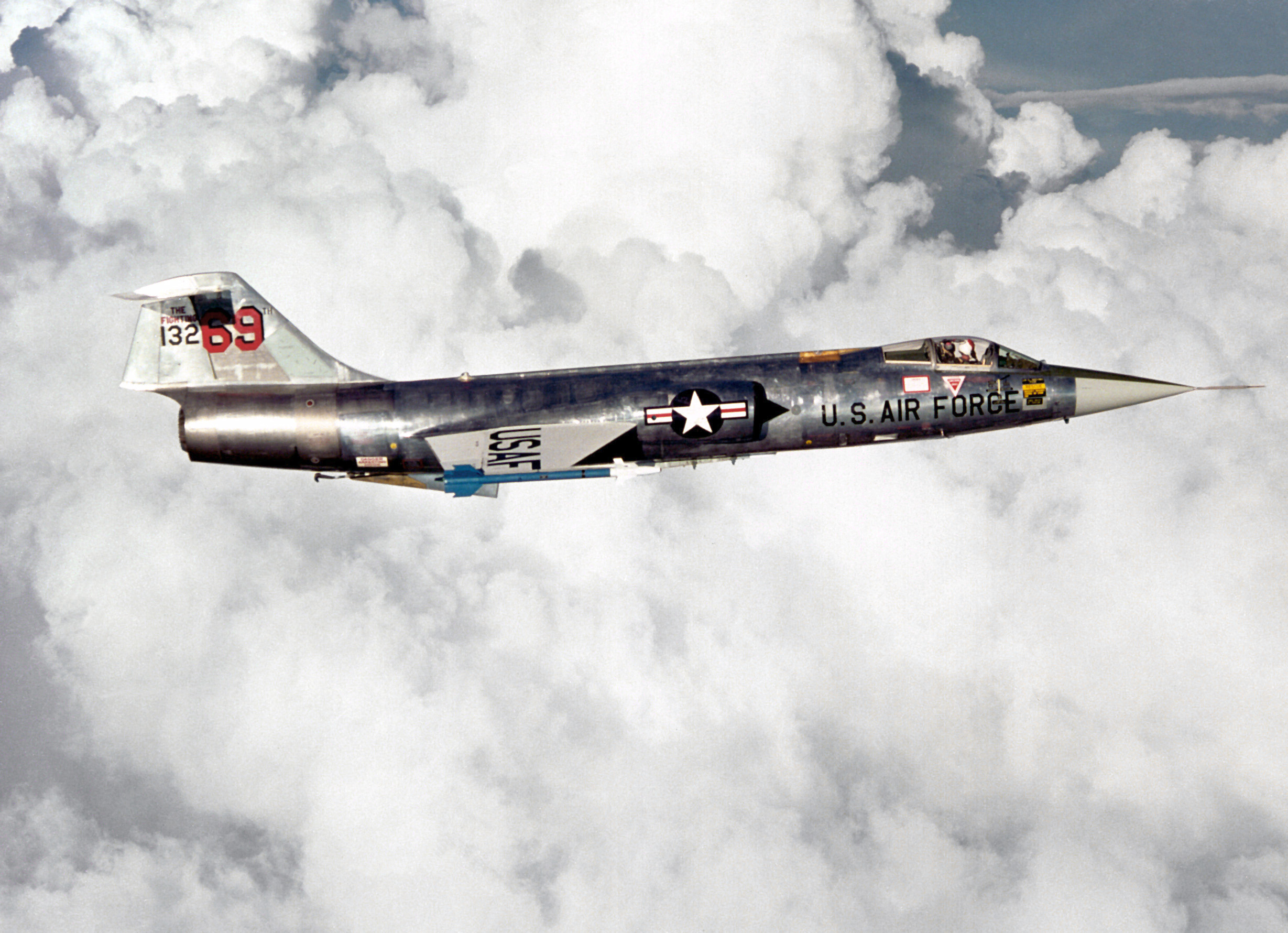
Did you know the F-104's first prototype had an ejection seat that fired the pilot downward?
Yes: the first prototype, the XF-104, carried a Stanley B seat that fired downward, out of fear that an upward-firing seat wouldn't clear the T-tail. Early… more…
Military aviation
Did you know the F-104 was tested being launched like a rocket, with no runway?
Yes: the F-104 was tested with Zero-Length Launch (ZeLL), with the fighter on a short ramp and a booster rocket underneath that fired it into the air within… more…
Military aviation
What part of the F-104s did Lockheed itself build?
Most production came from other factories: the F-104G was built by Lockheed, but also by Canadair and a European consortium with Messerschmitt/MBB, Dornier… more…
Military aviation
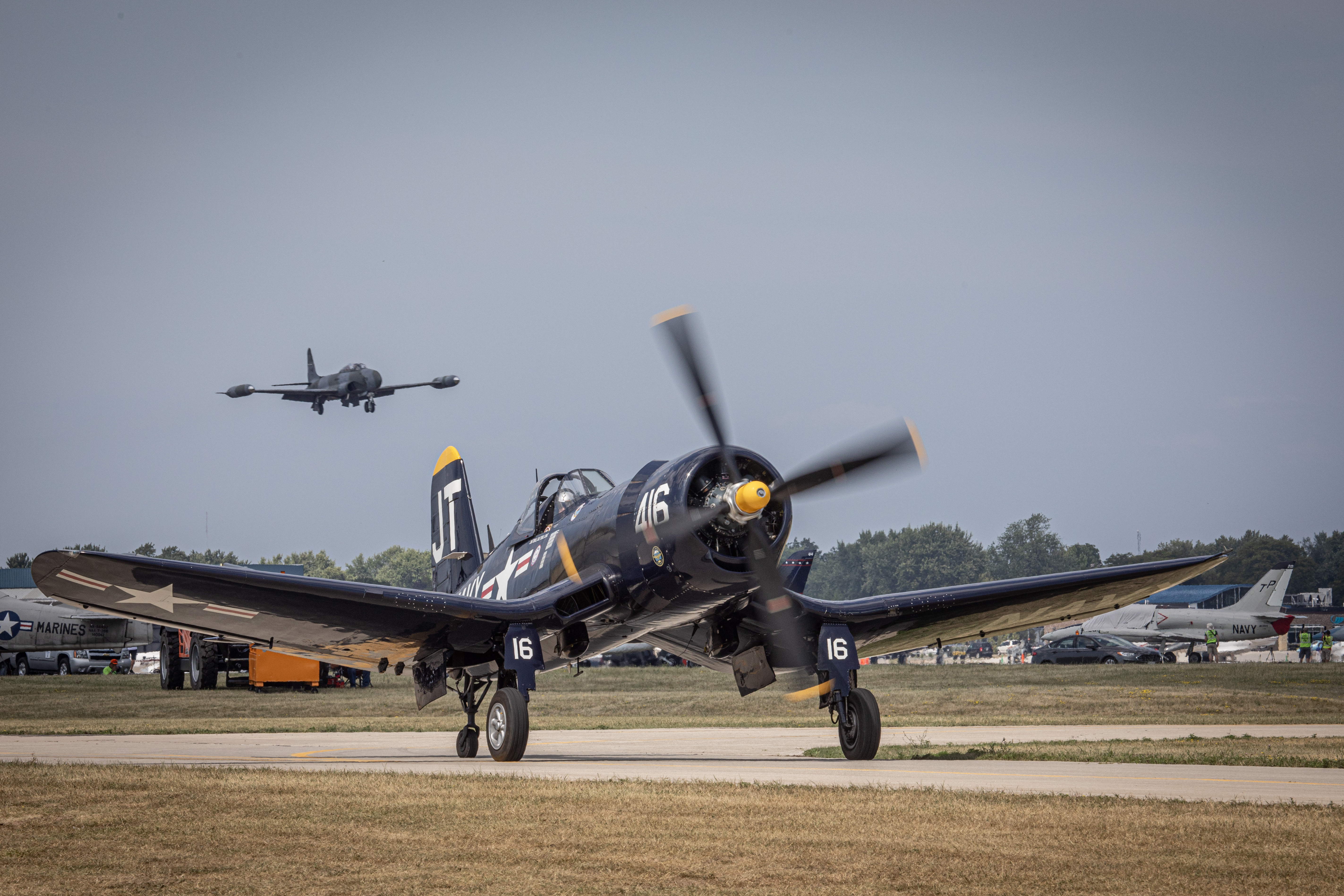
What nickname did young US Navy pilots give the Corsair because it was so hard to land on a carrier?
It was known as the "Ensign Eliminator," and not without reason. Early Navy pilots also called it the "hog," "hosenose," or "bent-wing Widow Maker." Its long… more…


