Did you know…
How fast does the a320 go?
Short answer
An Airbus A320 cruises at about Mach 0.78, roughly 830 km/h (450 kn) true airspeed at 35,000 ft (10,700 m). Airbus gives a maximum operating speed of Mach 0.82 for the family, used mainly to recover a delay. Block speeds are lower, because climb, descent and air traffic control limits eat into the cruise.
A number set by the wing
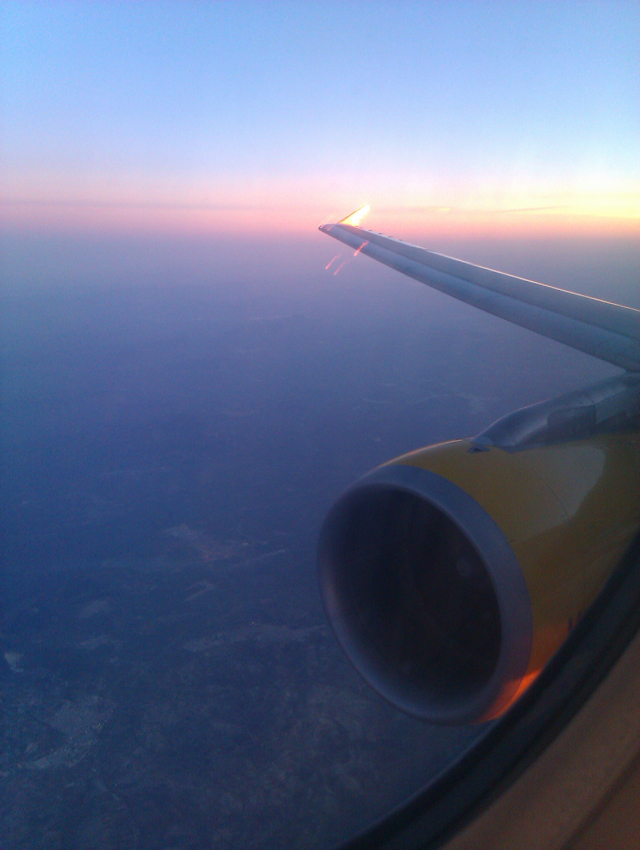
The A320 family is certified with a maximum operating Mach number of 0.82, and airlines normally plan around Mach 0.78, roughly 830 km/h (450 kn) true airspeed at 35,000 ft (10,700 m). The gap between the two is deliberate: the wing is efficient well below its limit, and the last few hundredths of a Mach number cost fuel out of all proportion to the minutes they save. Crews reach for higher speeds mainly to recover a delay or to meet a slot, and the cost index loaded into the flight management system decides where in that band the aircraft actually flies.
Indicated, true and ground speed
Three speeds describe the same flight. Indicated airspeed, what the pitot system measures, falls with altitude as the air thins; a typical climb is flown near 300 kn indicated, which is already far more in true airspeed by the time the aircraft levels off. True airspeed is movement through the air mass, around 450 kn in cruise. Ground speed adds the wind, and on a European rotation a strong westerly can swing it by 150 km/h between the outbound and the return leg.
Why the schedule feels slower
A short-haul A320 rarely spends long at its cruise Mach. On a 500 km sector it climbs for twenty minutes, cruises briefly and begins a descent flown at idle thrust, and below 10,000 ft air traffic control caps it at 250 kn indicated. Taxi at both ends, holding and speed control on the approach add more. The result is an average block speed far below 830 km/h, which is also why trimming cruise Mach to save fuel costs far less time than passengers tend to assume.
More questions
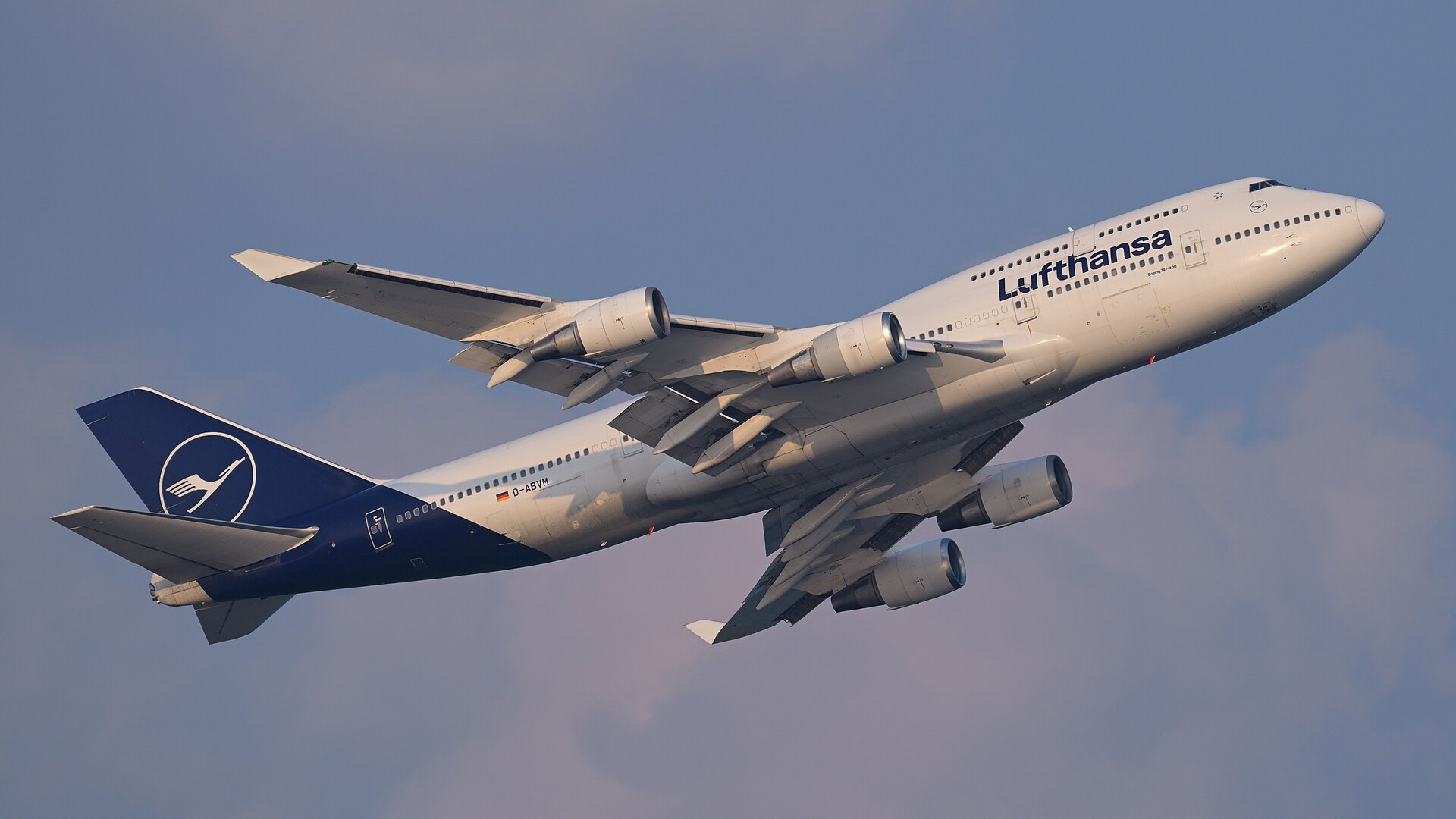
Foto: 4300streetcar (CC BY 4.0) Commercial aviation
Which 747 carried Enterprise "piggyback"?
The first Shuttle Carrier Aircraft was a Boeing 747-123 registered N905NA, originally built for American Airlines and acquired by NASA in 1974. Boeing… more…
Commercial aviation
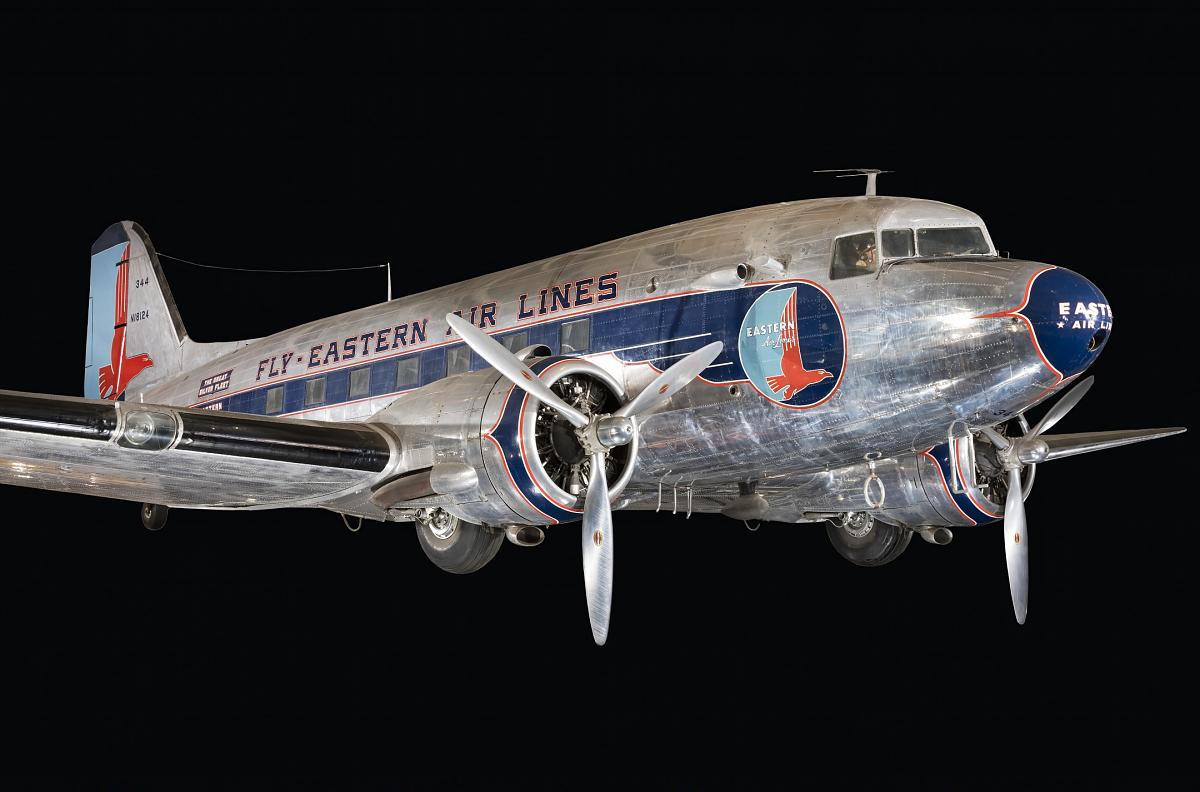
Was there an amphibious DC-3?
Yes: the Douglas XC-47C was created by fitting Edo Model 78 floats onto a standard C-47. The single-step metal floats carried retractable wheels that also… more…
OTFW, Berlin (CC BY SA), vía commons Commercial aviation
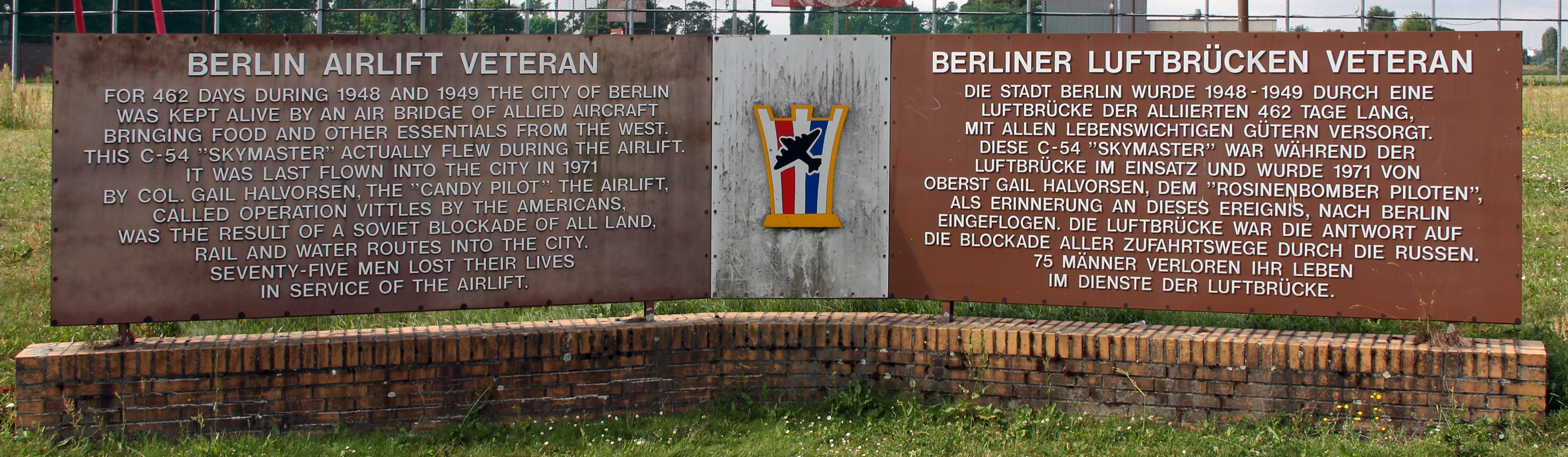
Was a C-47 converted into a glider?
Yes: the Douglas XCG-17 was an assault glider created by converting a twin-engine C-47 Skytrain during World War II. Its engines were removed and the nacelles… more…
Commercial aviation
What did the USSR build from the DC-3?
The USSR built a version of the DC-3 under a licence granted to its government on 15 July 1936. It was designated PS-84 and, in 1942, renamed Lisunov Li-2… more…
Commercial aviation
What was "Puff, the Magic Dragon"?
It was the nickname of the Douglas AC-47 Spooky, the first in a series of fixed-wing gunships developed by the United States Air Force during the Vietnam War… more…
Commercial aviation
How did the RAF refer to the C-47?
The RAF called it Dakota: the Dakota I was the designation for 53 C-47s received under Lend-Lease. The Dakota III designated 962 C-47A Skytrains. The Dakota… more…


