Did you know…
How fast does the Su-57 fly?
Short answer
The Su-57 reaches about 2,140 km/h (Mach 2) at altitude according to figures published by its manufacturer, and can sustain supersonic flight without afterburner at around Mach 1.3. At low altitude its top speed is around 1,400 km/h. These are figures declared by Russia, not independently verified.

The figures published by the manufacturer
The Sukhoi Su-57 is Russia's fifth-generation fighter, developed from the PAK FA program and in service with the Russian Aerospace Forces since 2020 in limited numbers. The performance figures in circulation are those declared by the United Aircraft Corporation (UAC) and Rosoboronexport, its export agency: a maximum speed of about 2,140 km/h at high altitude, equivalent to Mach 2, and around 1,400 km/h at sea level, where dense air limits any fighter.
The most interesting figure isn't the top speed, but the supersonic cruise. The Su-57 is designed to fly above Mach 1 without lighting the afterburner, known as supercruise; Russian sources cite roughly Mach 1.3. It's a capability it shares with the F-22 Raptor, allowing it to cover distance at high speed without burning through fuel in minutes.
Interim engines and definitive engines
The first production Su-57s fly with the AL-41F1 engine, an evolution of the AL-31 used on the Su-27, with about 147 kN (33,000 lbf) of thrust with afterburner. The engine planned from the start, known as "Izdeliye 30" or AL-51F1, offers more thrust and lower fuel consumption, and first flew on a prototype in 2017. With it, the manufacturer expects to improve supercruise and acceleration; the top speed, by contrast, is limited mainly by temperature and airframe strength, and shouldn't change much.
What to take with caution
None of these figures has been verified by an independent body or by tests published in the West. Modern fighters, moreover, rarely fly at their maximum speed: doing so requires altitude, afterburner, and a clean configuration with no external loads, and it burns fuel at a rate that cuts the combat radius to a handful of minutes. In operational practice, the speed that matters is what the aircraft can sustain with internal weapons and a half-full tank, and Russia doesn't publish that figure. For comparison, the F-22 declares Mach 2 and the Eurofighter Typhoon also Mach 2, so the Su-57 sits within the usual range for fighters of its class, not above it.
More questions
Physics of flight
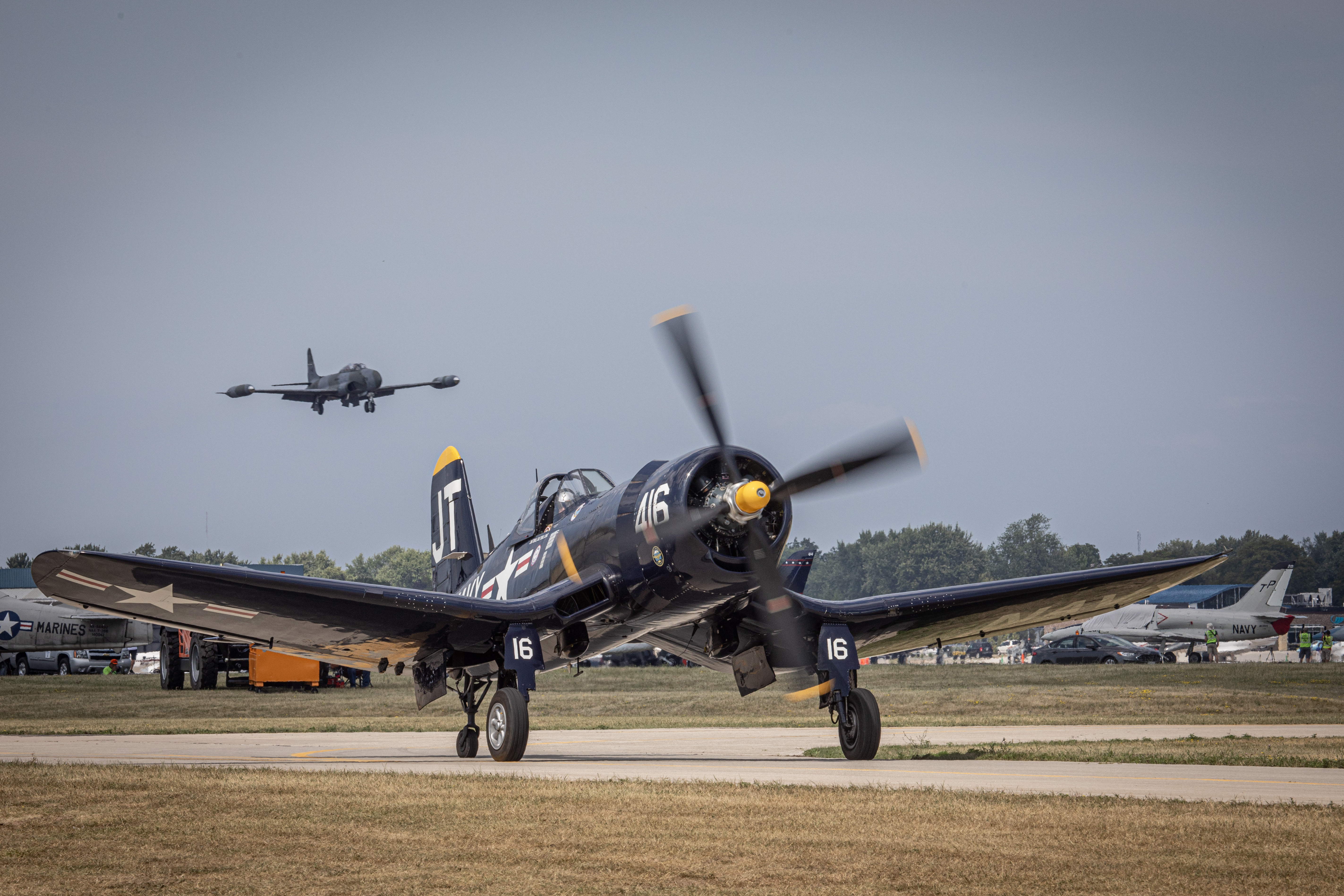
Why can't a Corsair pilot apply full power when going around after a failed carrier landing?
Because at low speed and high power the Corsair would drop its left wing suddenly and with almost no warning, due to propeller torque. If the throttle was… more…
Physics of flight
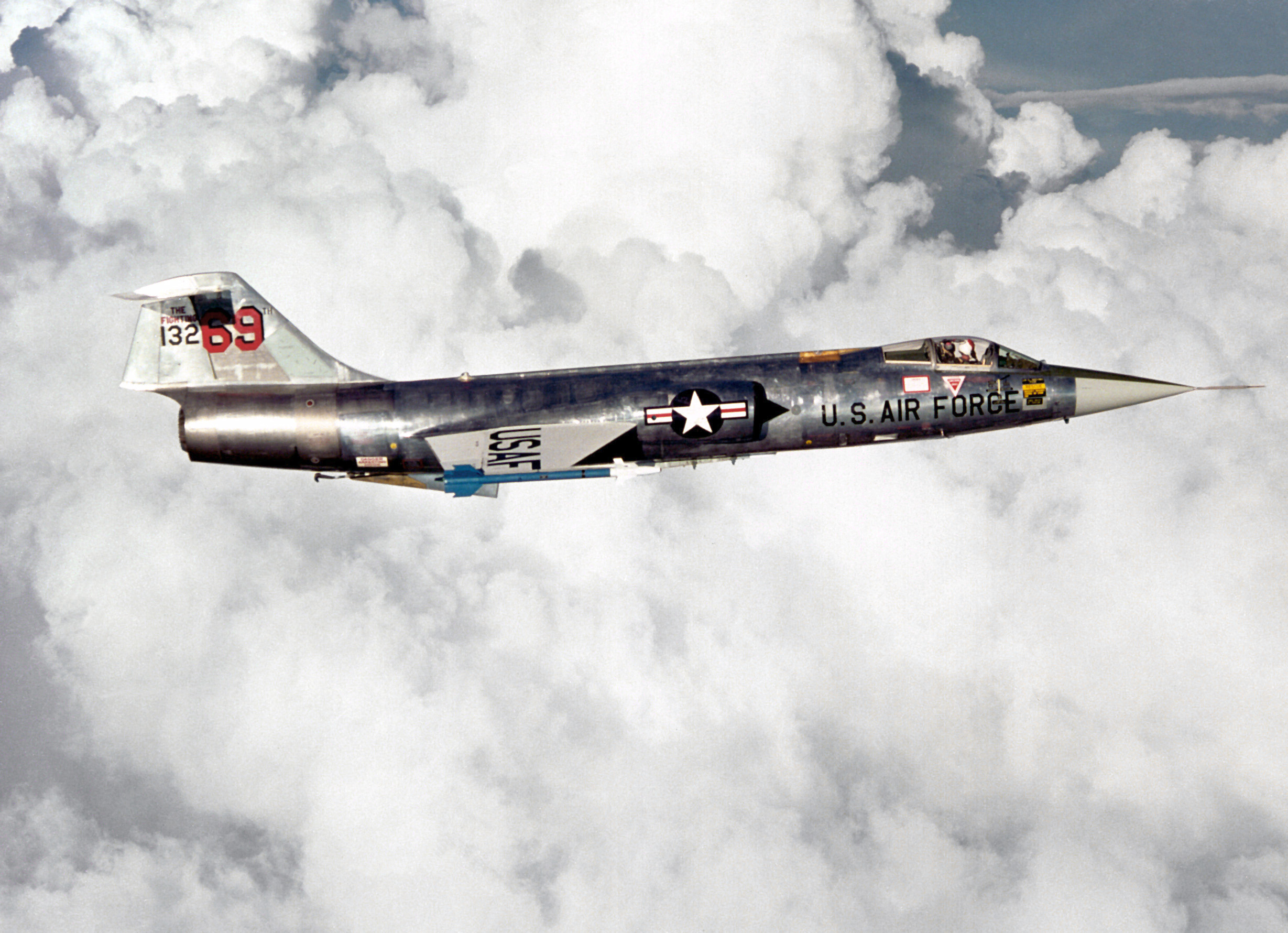
What did the phrase "banking with intent to turn" mean among F-104 pilots?
It was a joke among Canadian F-104 pilots: banking the aircraft "with intent to turn" referred to its poor low-speed turning. Its sustained turn capability… more…
Julian Herzog (Website) (CC BY), vía commons Physics of flight
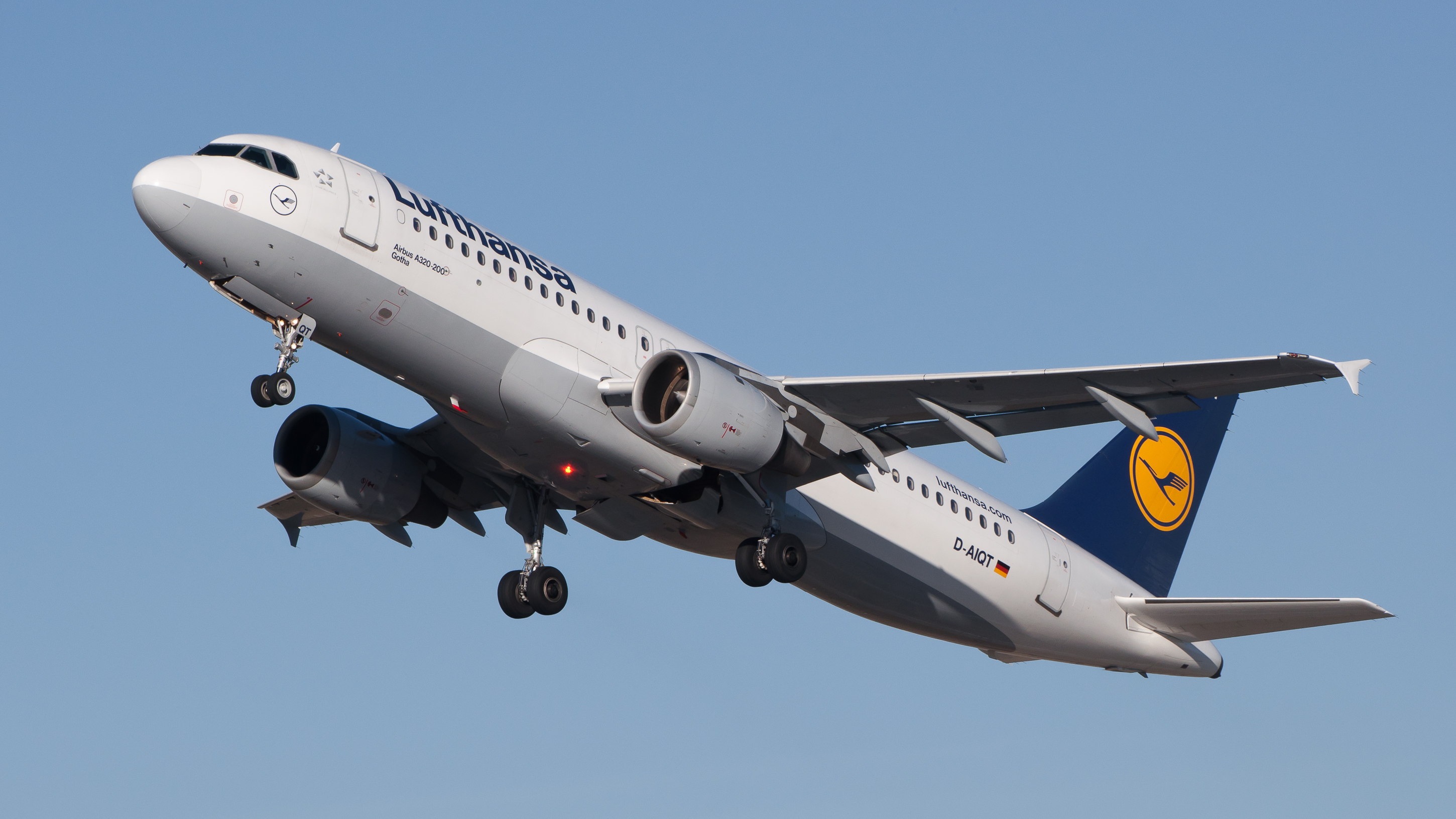
What is "flight envelope protection," which the A320 pioneered?
A set of limits embedded in the flight control software: it calculates the flight envelope, adds a safety margin, and blocks pilot inputs that would take the… more…
Julian Herzog (Website) (CC BY), vía commons Physics of flight
What is the A320's SHARP package for?
SHARP (SHort AiRfield Package) improves takeoff and landing performance on short runways and is designed to increase low-speed lift. It combines aerodynamic… more…
Physics of flight
What flaw sank Vought's all-metal V-141 fighter?
It wasn't a single flaw: tests showed the V-141 still flew poorly, was prone to spinning, and also suffered tail flutter, which is why it was rejected. It… more…
Physics of flight
What wind tunnel did NACA use to study the Corsair, and how big was it?
The full-scale 30- by 60-Foot Tunnel at the Langley Research Center, in Hampton, Virginia. NACA dedicated the facility on 27 May 1931 and used it to test the… more…


