The Amazing Story of the creation of the DC-2 and DC-3
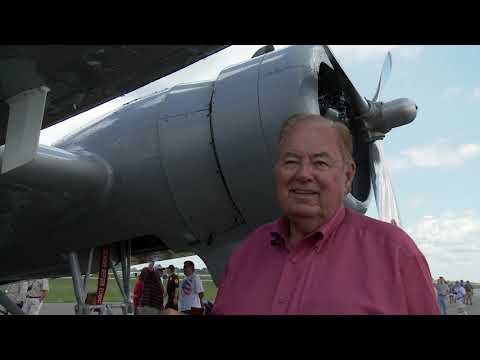
Video from the channel Franklin Poole Pacific-Gulf Coast Productions about Douglas DC-2, linked on its Above Ten Thousand entry. Duration: 10:16. Language: English. Video type: News.
What's covered
Interview with Clay Lacy, pilot and co-owner of an airworthy DC-2. Standing by the aircraft, he explains how the DC-2 and DC-3 came about and tells the story of his own aircraft.
Background
According to Lacy, TWA sent Donald Douglas speed, capacity, and range specifications that led to the DC-1 prototype. TWA used it to test its route network and to train pilots on an aircraft with retractable landing gear. His aircraft was delivered in March 1935 to Pan American and flew in South America with Panagra. By around 1960 it belonged to Johnson Flying Service, in McCall, Idaho, which used it to drop smokejumpers for firefighting. It later passed through the Douglas historical society, flew again thanks to company retirees, and was restored in Van Nuys with new engines for the Museum of Flight in Seattle.
Implications
Lacy says the DC-3 came about when American Airlines' director asked for the fuselage to be widened to add another row of seats: that's why the DC-3 has curved sides and the DC-2 flat ones. The DC-2's Wright engines went from 775 to about 1,000 hp. He recalls flying the DC-3 for United from 1952 and that postwar military surplus aircraft drove the growth of corporate aviation. With his aircraft, it reaches about 180 miles per hour.