Did you know…
Why do birds' wings help them fly?
Short answer
Birds' wings generate lift the same way an airplane's do: their curved profile and the angle at which they cut through the air deflect the airflow downward and create a pressure difference that pushes them upward. On top of that, flapping produces the thrust an airplane gets from its engines, and their light, hollow structure cuts down the weight to be overcome.

A wing is a wing, whether feathered or riveted
A bird's flight obeys the same physics as an airplane's. Seen in profile, a bird's wing has a rounded leading edge, a top surface more curved than the bottom one, and a thin trailing edge: exactly an airfoil. As the bird moves forward, the wing cuts through the air at a certain angle of attack and forces the airflow to curve downward. By Newton's third law, the air deflected downward pushes the wing upward; at the same time, the accelerated flow over the top surface leaves a lower pressure there than on the bottom. Both descriptions are sides of the same phenomenon, lift, and together they explain why a gull can hold itself up gliding without flapping its wings.
Flapping: lift and thrust in a single motion
An airplane separates the two functions: the wing lifts and the engine pushes. The bird fuses them in the flap. On the downstroke, the outer part of the wing (the "hand", with the primary feathers) tilts and acts like a propeller, pushing air backward and downward, producing thrust in addition to lift. On the upstroke, the wing folds partially and the primaries separate like slats to let air through and reduce drag. Large birds, such as storks or vultures, minimize flapping and use thermal currents to gain altitude by circling; small ones, with short, rounded wings, flap quickly to maneuver through vegetation.
Lightness and fine control
Flying requires lift to equal weight, so evolution has lightened everything it could. Birds' bones are hollow and reinforced with internal struts, the beak replaces teeth, and air sacs extend the lungs into the skeleton. Feathers, too, are extraordinarily efficient structures: rigid in the shaft, flexible in the barbs, and able to hook together to form a continuous surface that can be repaired with the beak. The bird adjusts the shape of its wing instant to instant, changing sweep, twist, and camber, and uses the tail as a stabilizer and brake. An airplane mimics that control with flaps, ailerons, and rudders; the bird has it built into its muscles and tendons.
What aviation learned from birds
Pioneers from Otto Lilienthal to the Wright brothers studied bird flight to understand how balance is maintained and how a lifting surface is controlled. The wing warping of the 1903 Flyer came from observing how vultures twist their wingtips to turn. Today, the winglets on commercial airplanes mimic the spread primaries of raptors to reduce induced drag at the wingtip.
More questions
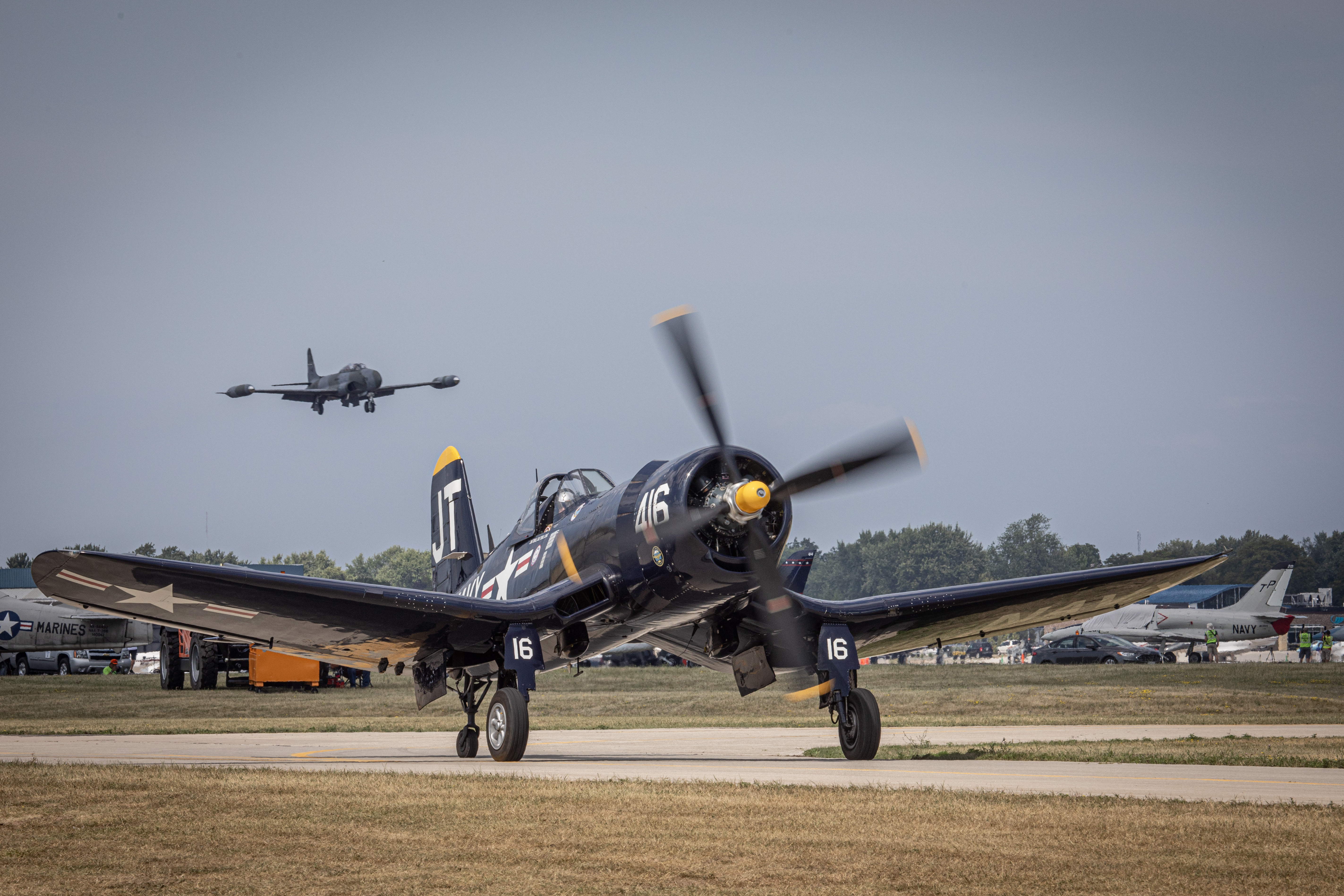
Physics of flight
Why can't a Corsair pilot apply full power when going around after a failed carrier landing?
Because at low speed and high power the Corsair would drop its left wing suddenly and with almost no warning, due to propeller torque. If the throttle was… more…
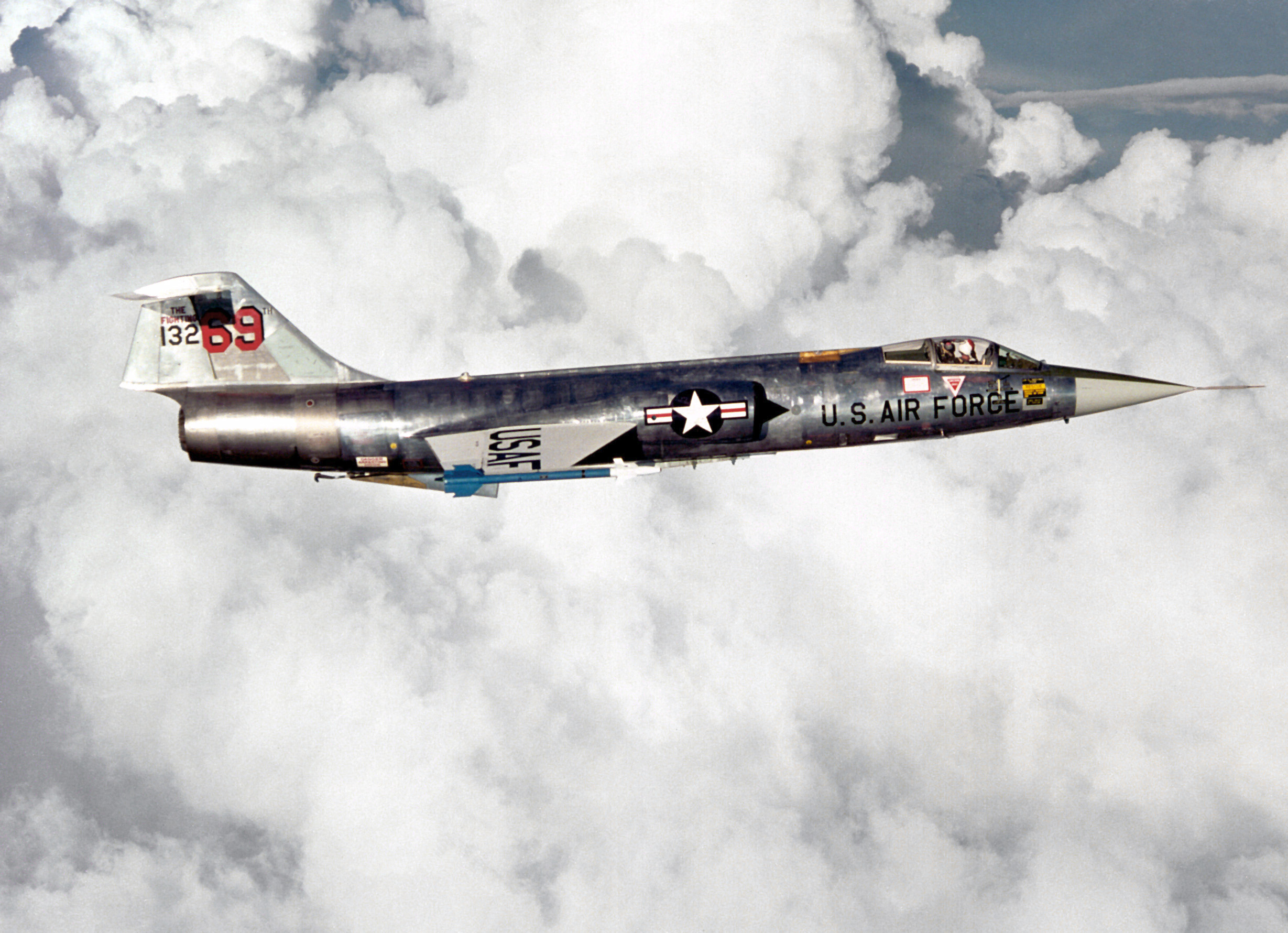
Physics of flight
What did the phrase "banking with intent to turn" mean among F-104 pilots?
It was a joke among Canadian F-104 pilots: banking the aircraft "with intent to turn" referred to its poor low-speed turning. Its sustained turn capability… more…
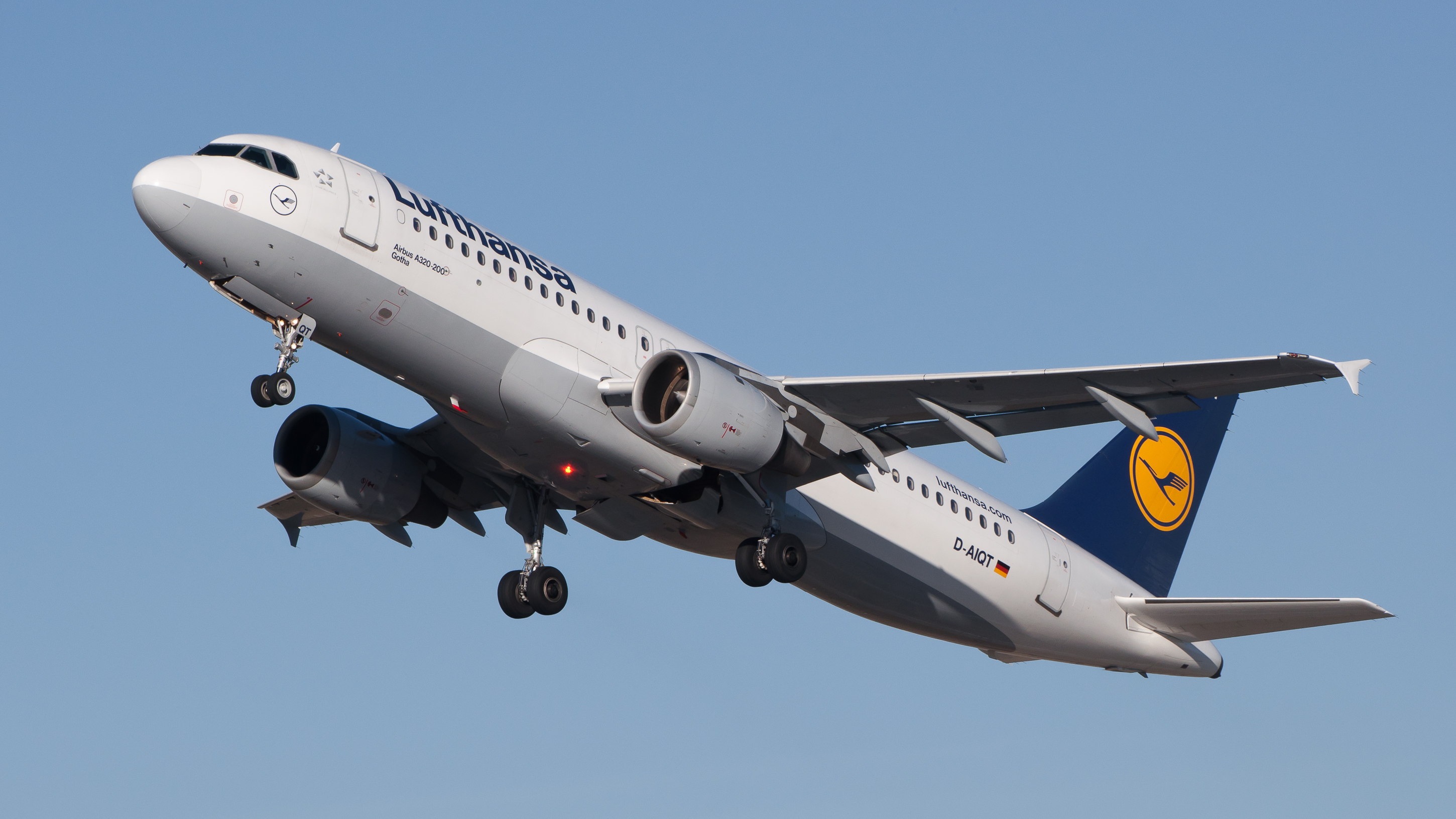
Julian Herzog (Website) (CC BY), vía commons Physics of flight
What is "flight envelope protection," which the A320 pioneered?
A set of limits embedded in the flight control software: it calculates the flight envelope, adds a safety margin, and blocks pilot inputs that would take the… more…
Julian Herzog (Website) (CC BY), vía commons Physics of flight
What is the A320's SHARP package for?
SHARP (SHort AiRfield Package) improves takeoff and landing performance on short runways and is designed to increase low-speed lift. It combines aerodynamic… more…
Physics of flight
What flaw sank Vought's all-metal V-141 fighter?
It wasn't a single flaw: tests showed the V-141 still flew poorly, was prone to spinning, and also suffered tail flutter, which is why it was rejected. It… more…
Physics of flight
What wind tunnel did NACA use to study the Corsair, and how big was it?
The full-scale 30- by 60-Foot Tunnel at the Langley Research Center, in Hampton, Virginia. NACA dedicated the facility on 27 May 1931 and used it to test the… more…


