Did you know…
What happens if a flight is delayed?
Short answer
A delay triggers two separate mechanisms: the operational one, in which the airline reshuffles aircraft, crews and ground slots, and the legal one, which in the European Union requires assistance from two hours of delay onward and can trigger compensation once the arrival delay reaches three hours.

What happens operationally
An airliner rarely flies just one leg a day: it strings together rotations. When one is delayed, the airline's operations control center assesses whether the slip is absorbed by the scheduled buffer between flights or spreads to the next ones. That triggers chain decisions: shortening turnaround time, swapping the assigned tail number, reassigning crews who are about to run out of maximum duty time, or, in the worst case, cancelling a rotation to save the rest of the day.
On top of that comes airspace management. If the cause is congestion or weather, air traffic flow control assigns the flight a departure window, or slot, and the aircraft can't leave before it even if it's ready. Losing that slot because one passenger doesn't show up at the gate can cost another hour of waiting.
What the passenger is entitled to
On flights covered by EU Regulation (EC) 261/2004 — departures from the European Union or arrivals into it on a European airline — assistance is mandatory and doesn't depend on the cause: food and drink while waiting, communication, and, if the delay forces an overnight stay, accommodation and transport. The threshold is two hours for short flights, three for medium-haul and four for routes over 3,500 km.
Financial compensation is a different matter. It kicks in when the passenger reaches their final destination three hours or more late and the airline can't prove an extraordinary circumstance, such as a severe storm or an airport closure. A routine technical fault doesn't count as one.
Keep the evidence
The boarding pass, expense receipts and any communication from the airline form the basis for a later claim. It's also worth noting the actual door-opening time at the destination, which is the figure that legally determines the delay.
More questions
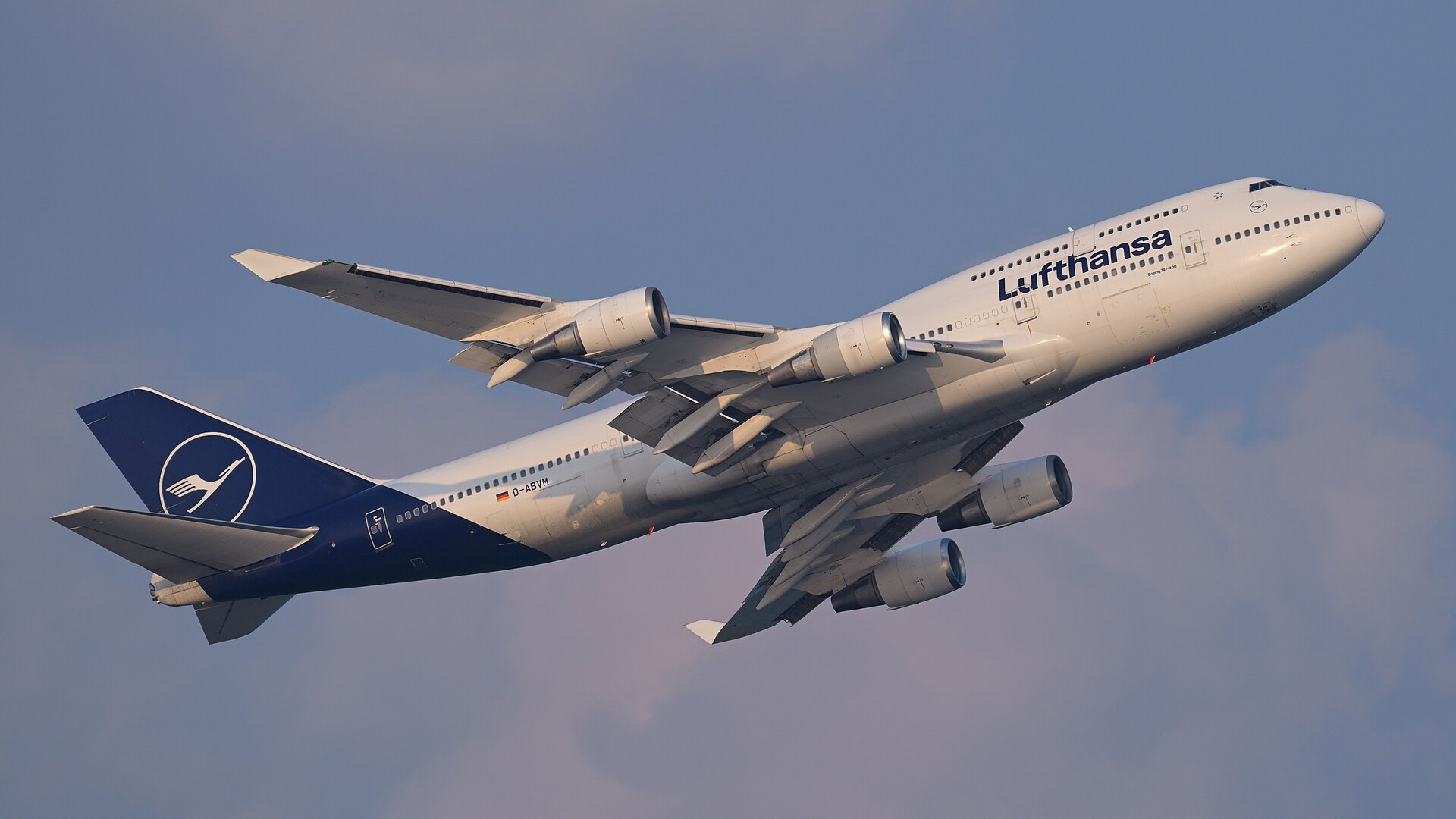
Foto: 4300streetcar (CC BY 4.0) Commercial aviation
Which 747 carried Enterprise "piggyback"?
The first Shuttle Carrier Aircraft was a Boeing 747-123 registered N905NA, originally built for American Airlines and acquired by NASA in 1974. Boeing… more…
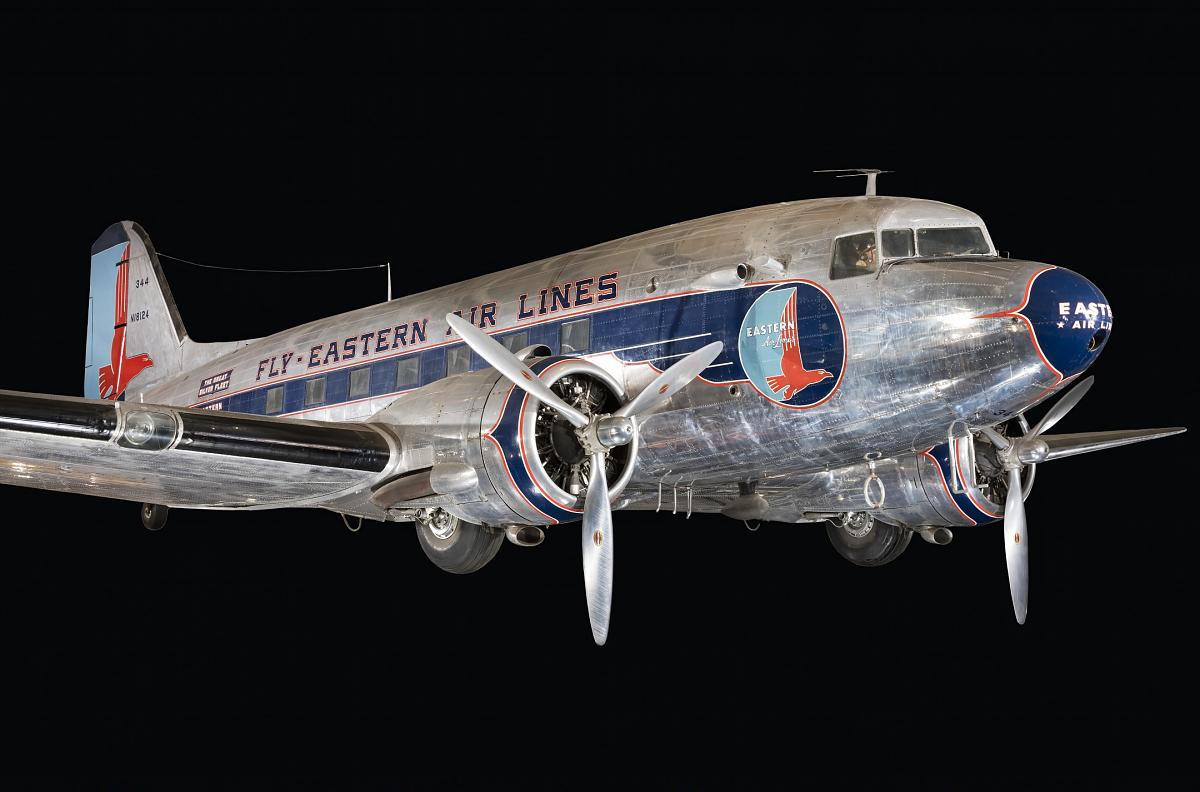
Commercial aviation
Was there an amphibious DC-3?
Yes: the Douglas XC-47C was created by fitting Edo Model 78 floats onto a standard C-47. The single-step metal floats carried retractable wheels that also… more…
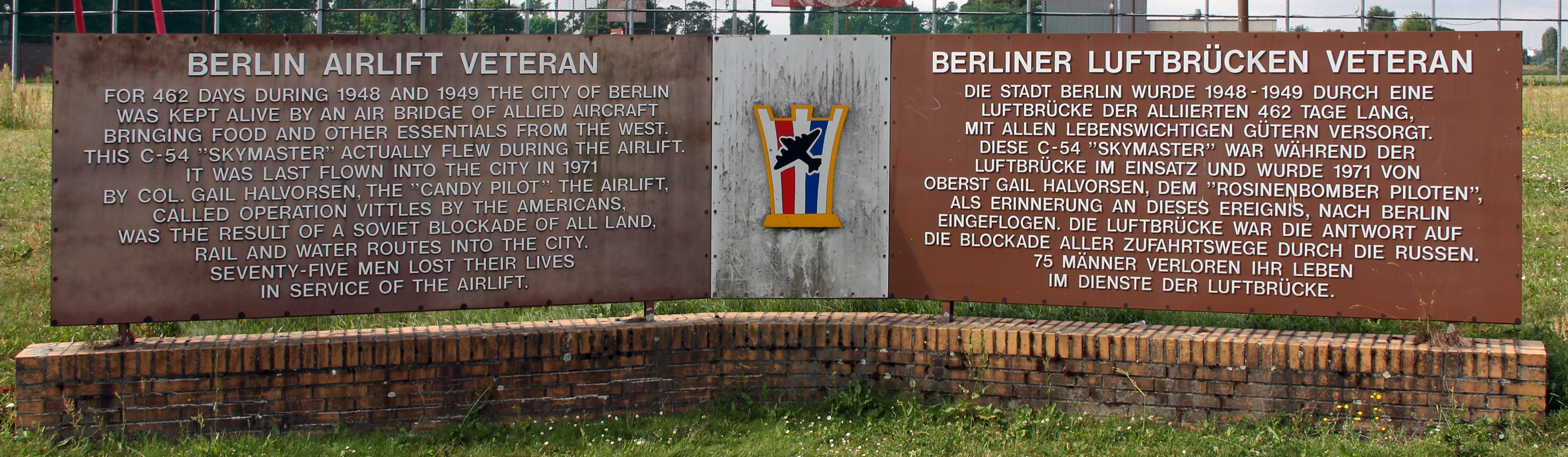
OTFW, Berlin (CC BY SA), vía commons Commercial aviation
Was a C-47 converted into a glider?
Yes: the Douglas XCG-17 was an assault glider created by converting a twin-engine C-47 Skytrain during World War II. Its engines were removed and the nacelles… more…
Commercial aviation
What did the USSR build from the DC-3?
The USSR built a version of the DC-3 under a licence granted to its government on 15 July 1936. It was designated PS-84 and, in 1942, renamed Lisunov Li-2… more…
Commercial aviation
What was "Puff, the Magic Dragon"?
It was the nickname of the Douglas AC-47 Spooky, the first in a series of fixed-wing gunships developed by the United States Air Force during the Vietnam War… more…
Commercial aviation
How did the RAF refer to the C-47?
The RAF called it Dakota: the Dakota I was the designation for 53 C-47s received under Lend-Lease. The Dakota III designated 962 C-47A Skytrains. The Dakota… more…


