Did you know…
Why do planes land sideways?
Short answer
An aircraft appears to land sideways in crosswinds: the pilot points the nose into the wind (the "crab" technique) so its ground track follows the runway centerline even though the fuselage isn't aligned. Just before touchdown, the pilot straightens it with the rudder and lowers a wing to avoid skidding on the gear.

When the wind doesn't blow along the runway
Runways are oriented according to the prevailing winds at each location, but wind rarely blows exactly along their length. The crosswind component pushes the aircraft sideways during approach. If the pilot kept the nose pointed along the runway centerline, the aircraft would drift off to one side and land off-center or even off the pavement. To compensate, the pilot angles the aircraft into the wind by a drift angle, so that the sum of its own velocity and the wind's carries it in a straight line toward the runway threshold. From the ground, the aircraft appears to be moving sideways: this is the crab technique, and it's what produces those striking images at airports like Bilbao, Madeira or Birmingham.
Aligning before touchdown
An aircraft cannot land with its fuselage axis crossed relative to the runway; the landing gear would bear lateral loads it isn't designed for, and the tires would suffer. That's why, in the final moments, the pilot has two options usually combined. The first is the decrab: just before flare, the pilot presses the rudder pedal to align the nose with the runway, and in that instant the aircraft touches down before the wind can push it off again. The second is the wing-low method: the pilot banks the aircraft into the wind with the ailerons to counter the drift and uses the rudder to keep the nose straight; the aircraft touches down first on the wheel on the windward side. On large-wingspan jets the bank angle is limited to avoid scraping an engine nacelle on the ground, so combining both techniques is the norm.
Limits set by each model
Manufacturers publish, for each aircraft, a maximum demonstrated crosswind component from certification, typically around 30 to 40 kn (55 to 75 km/h) for airliners, with lower values for wet or contaminated runways. Airlines usually set more conservative operating limits and add restrictions for pilots with little experience on the type. If the wind exceeds those values, the approach is either not started or is aborted with a go-around, and the aircraft diverts to another airport. Automatic landing systems also have their own crosswind limits, generally lower than those for manual landing.
Why it isn't dangerous even though it looks it
Landing in a crosswind is a maneuver trained from the earliest hours of flight school and repeated in the simulator at every rating renewal. The sensation that the aircraft is arriving crooked is unsettling for passengers, but the geometry is simple: the track over the ground is a straight line along the runway centerline, and only the fuselage, not the motion, is turned.
More questions
Physics of flight
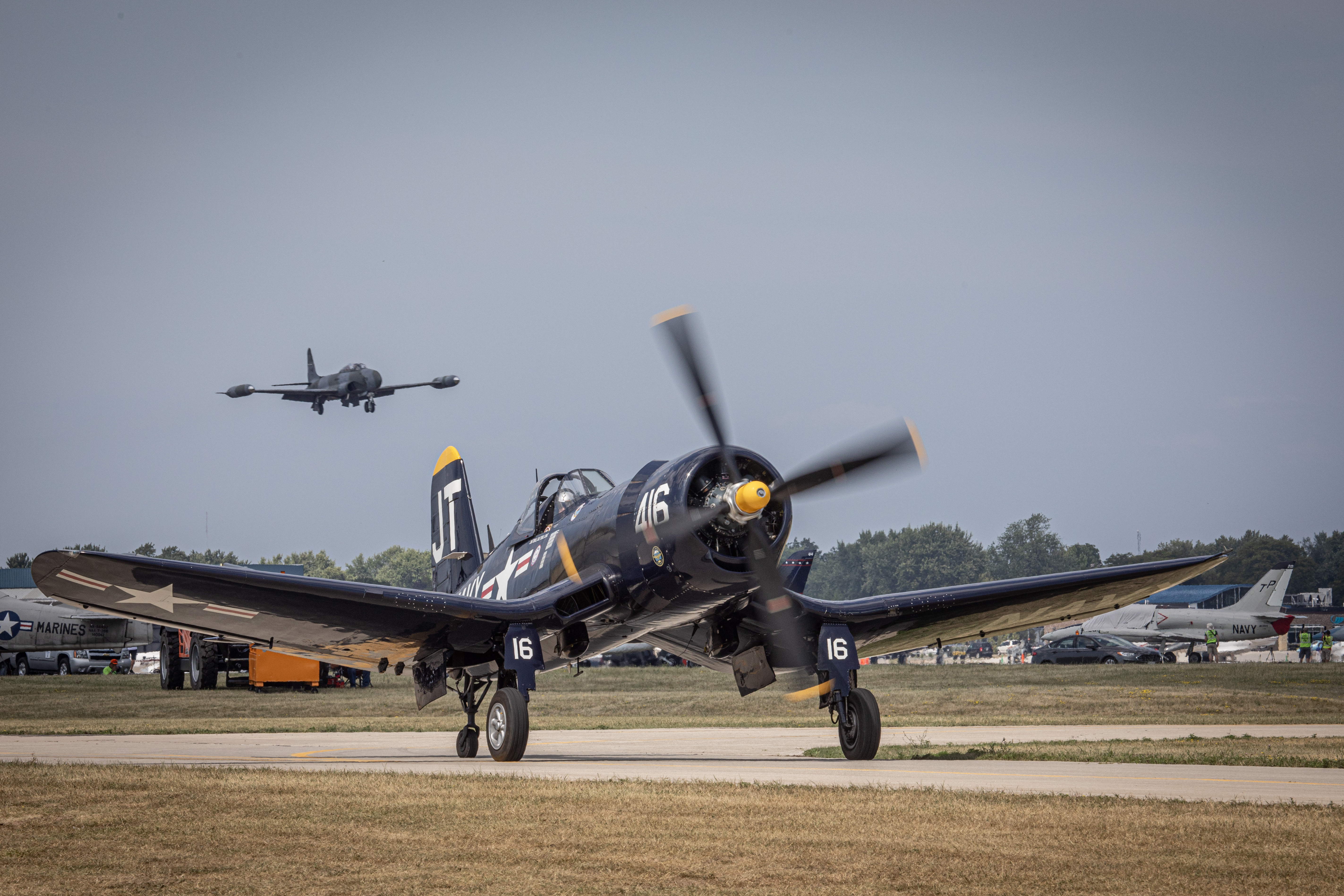
Why can't a Corsair pilot apply full power when going around after a failed carrier landing?
Because at low speed and high power the Corsair would drop its left wing suddenly and with almost no warning, due to propeller torque. If the throttle was… more…
Physics of flight
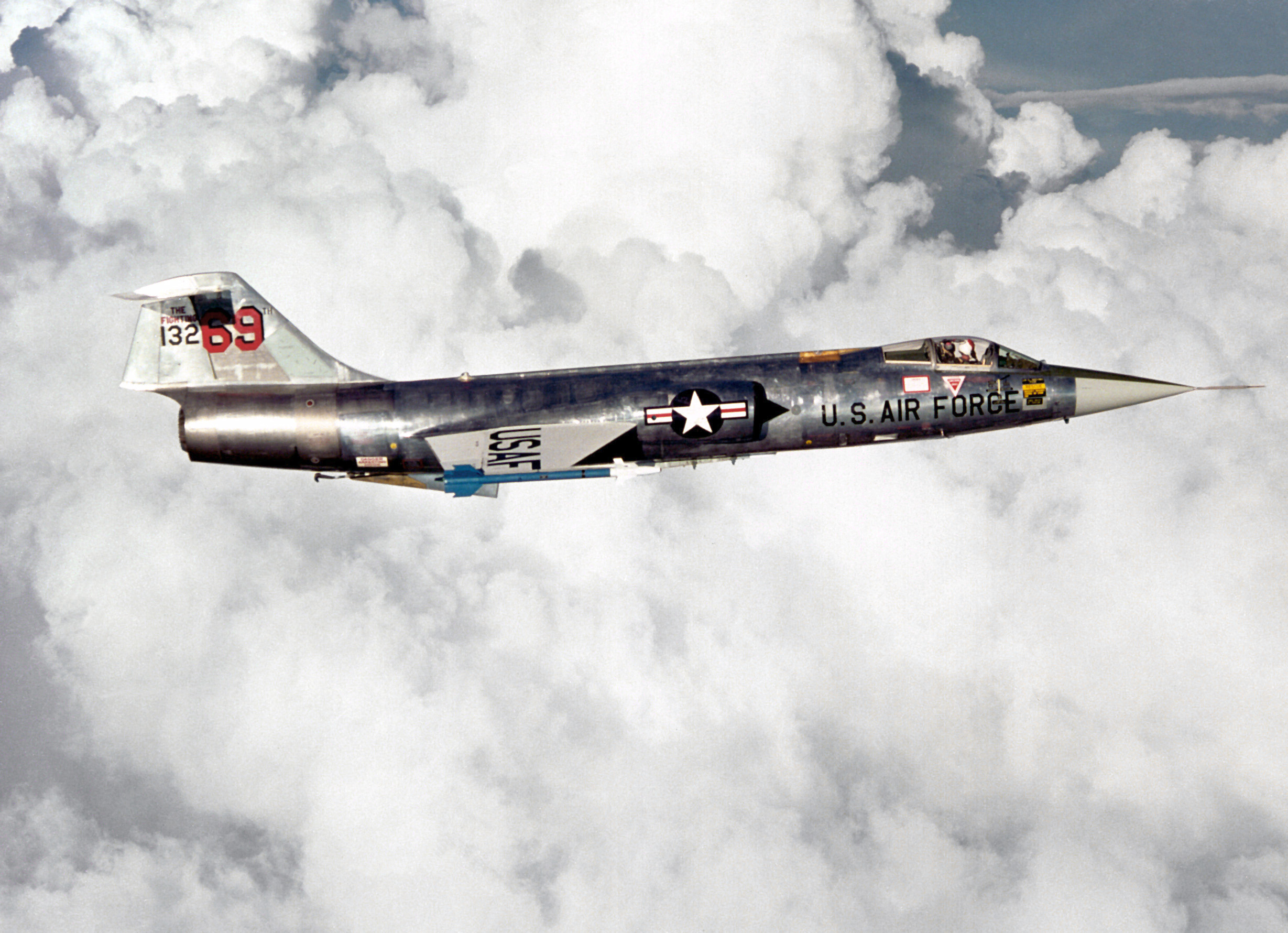
What did the phrase "banking with intent to turn" mean among F-104 pilots?
It was a joke among Canadian F-104 pilots: banking the aircraft "with intent to turn" referred to its poor low-speed turning. Its sustained turn capability… more…
Julian Herzog (Website) (CC BY), vía commons Physics of flight
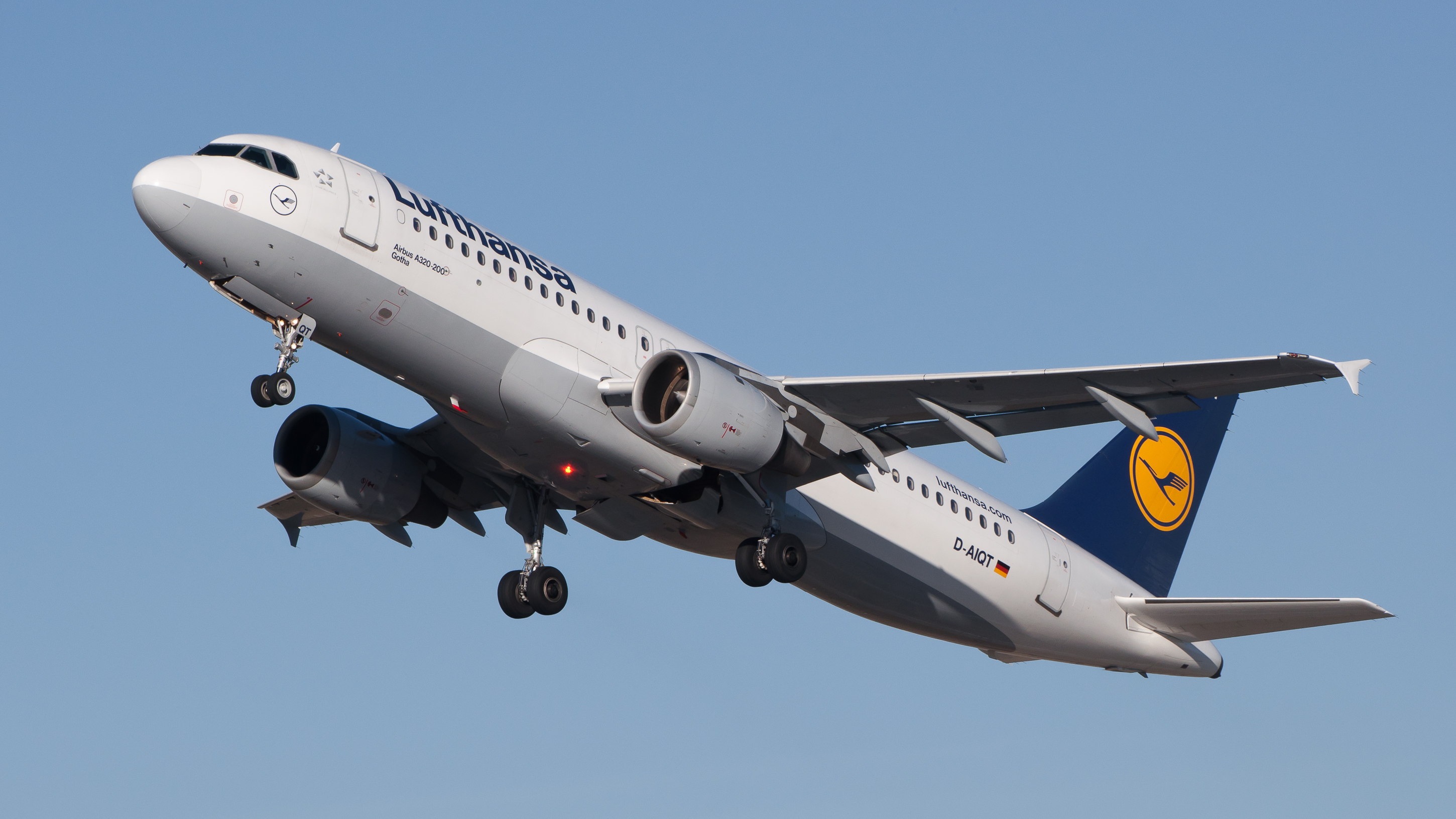
What is "flight envelope protection," which the A320 pioneered?
A set of limits embedded in the flight control software: it calculates the flight envelope, adds a safety margin, and blocks pilot inputs that would take the… more…
Julian Herzog (Website) (CC BY), vía commons Physics of flight
What is the A320's SHARP package for?
SHARP (SHort AiRfield Package) improves takeoff and landing performance on short runways and is designed to increase low-speed lift. It combines aerodynamic… more…
Physics of flight
What flaw sank Vought's all-metal V-141 fighter?
It wasn't a single flaw: tests showed the V-141 still flew poorly, was prone to spinning, and also suffered tail flutter, which is why it was rejected. It… more…
Physics of flight
What wind tunnel did NACA use to study the Corsair, and how big was it?
The full-scale 30- by 60-Foot Tunnel at the Langley Research Center, in Hampton, Virginia. NACA dedicated the facility on 27 May 1931 and used it to test the… more…


