Did you know…
Why did blue origin rocket explode?
Short answer
No Blue Origin rocket has exploded with people aboard. The event usually meant is the uncrewed New Shepard flight NS-23 on 12 September 2022, when the booster's BE-3PM engine nozzle failed during ascent; the abort system fired and carried the capsule to a safe parachute landing while the booster was destroyed.
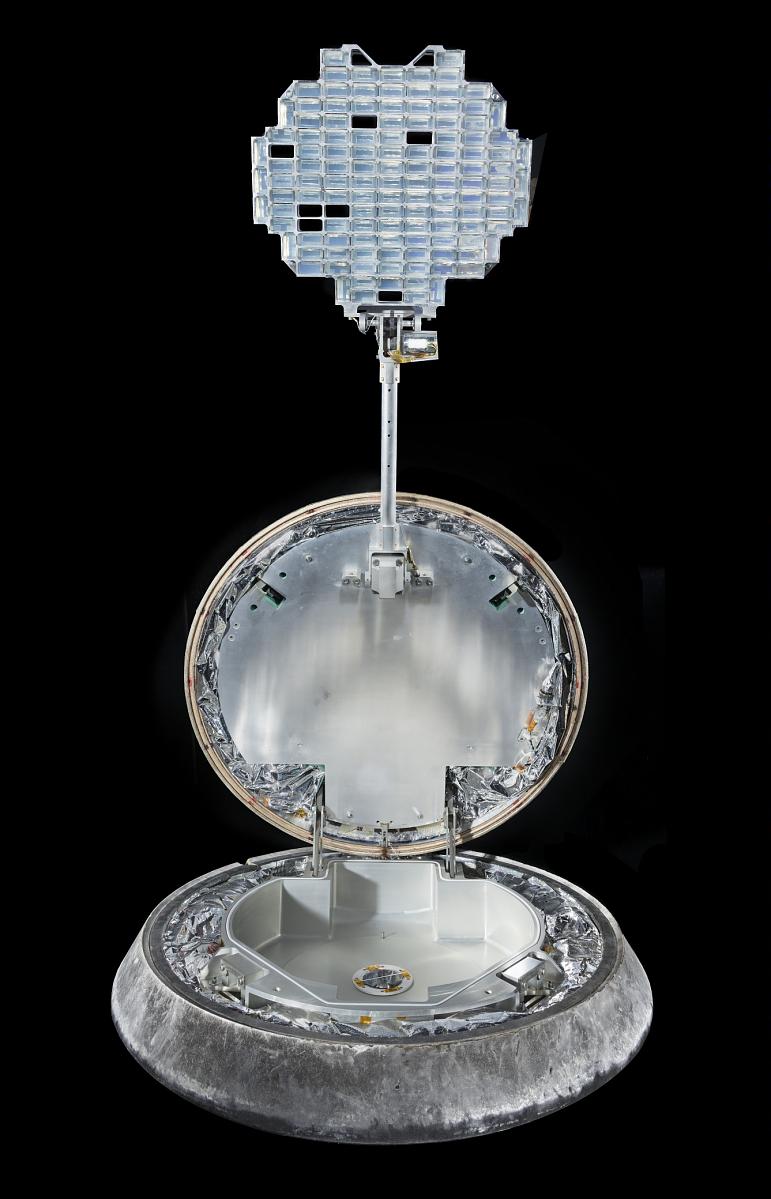
What actually happened on NS-23
On 12 September 2022 a New Shepard vehicle carrying research payloads and no passengers suffered a failure roughly a minute into flight. Video showed an abnormal plume from the booster followed by the immediate activation of the launch escape system: the solid motor in the crew capsule fired, pushed it clear of the rising booster and the capsule descended under parachutes to an intact landing in West Texas. The propulsion module was lost.
The investigation, conducted by Blue Origin under Federal Aviation Administration oversight, attributed the failure to a structural fatigue failure of the nozzle on the BE-3PM engine, driven by operating temperatures higher than the design had anticipated. Corrective actions included design changes to the nozzle and to engine control parameters. New Shepard returned to flight with an uncrewed mission in December 2023 and resumed carrying passengers the following year.
Why the abort mattered more than the loss
Escape systems are the part of a crewed launcher that everyone hopes never to see used. NS-23 was an unplanned full-scale demonstration in real flight conditions, at high dynamic pressure, and it worked as designed. Had passengers been aboard, the sequence they would have experienced was the one the system exists for: a hard push, a short free fall and a parachute descent.
Not the only anomaly, and not unique
Blue Origin had already tested the same escape system deliberately in 2016 and 2018. Other vehicles have had comparable in-flight losses without casualties, precisely because they flew uncrewed or aborted successfully. In the launch business, an uncrewed failure that validates the safety chain is expensive but not a disaster.
More questions

Lviatour (CC BY SA), vía commons Astronauts and life in space
What did Neil Armstrong see in the Cueva de los Tayos?
An enormous cave full of life, not an extraterrestrial structure. According to an account by a caver on the team, published in 1979, Armstrong was the guest… more…

Astronauts and life in space
Why do astronauts grow taller in space?
In microgravity, the spine is no longer compressed by body weight: it lengthens and the back's natural curves flatten out. The crew gains a few centimeters… more…

Astronauts and life in space
How do astronauts sleep in space?
Each astronaut on the International Space Station has an individual cabin about the size of a phone booth, with a sleeping bag strapped to the floor, ceiling… more…
Astronauts and life in space
How long do astronauts sleep?
The International Space Station's schedule reserves 8.5 hours of sleep per night for each crew member. In practice, they sleep less: a study published in 2014… more…

Astronauts and life in space
How do astronauts eat in space?
Meals on board are mostly dehydrated foods rehydrated with water from a dispenser, and ready-to-eat thermostabilized dishes warmed in the galley oven, along… more…

Astronauts and life in space
How much money does Alexander Gerst have?
There is no reliable figure for Alexander Gerst's fortune; the amounts on celebrity websites are estimates without basis. What is documented is his… more…


