Did you know…
What are supersonic planes?
Short answer
Supersonic planes are aircraft that fly faster than the speed of sound, above Mach 1, about 1,060 km/h (573 kn) at cruise altitude. Most are military: fighters such as the F-16 or Eurofighter pass Mach 1 in short bursts. Only two airliners ever did it in service, Concorde and the Tu-144; Concorde cruised at Mach 2.02 until its retirement in 2003.

Faster than sound
An aircraft is supersonic when its true airspeed exceeds the local speed of sound, Mach 1, which at cruise altitude is about 295 m/s (1,062 km/h, 573 kn). Beyond that point the air ahead cannot get out of the way in time, shock waves form on the nose, wing and tail, drag rises sharply and the aircraft leaves behind the pressure signature heard on the ground as a sonic boom. Designing for this regime means thin wings with sharp leading edges, swept or delta planforms, engines with variable intakes to slow the air to subsonic speed before the compressor, and airframes that tolerate skin temperatures well above 100 °C from friction heating. At Mach 2 the nose of Concorde reached about 127 °C and the fuselage stretched by some 25 cm in flight.
Military supersonic aircraft
The first crewed aircraft to break the sound barrier was the Bell X-1 on 14 October 1947, piloted by Chuck Yeager, reaching Mach 1.06 at about 13,000 m. Since the late 1950s most front-line fighters and interceptors have been capable of supersonic flight, usually with afterburner for short periods: the Lockheed F-104, the MiG-21, the F-15, the Su-27 and their successors. A smaller group can supercruise, sustaining supersonic speed without afterburner, notably the F-22 and the Eurofighter Typhoon. Reconnaissance aircraft went further: the Lockheed SR-71 cruised above Mach 3 for hours, with an official speed record of 3,529.6 km/h set in 1976. Bombers such as the B-1B and the Tu-160 also fly supersonically, though only for the dash phase of a mission.
Supersonic airliners
Only two supersonic passenger aircraft ever entered service. The Tupolev Tu-144 flew first, on 31 December 1968, but carried passengers only briefly in 1977–1978 before being withdrawn. Concorde, the Anglo-French design built by Aérospatiale and BAC, first flew on 2 March 1969, entered service with Air France and British Airways on 21 January 1976 and cruised at Mach 2.02 at up to 18,300 m (60,000 ft), crossing the Atlantic in about three and a half hours. It was retired in October 2003 after twenty-seven years, undone by high fuel consumption, a ban on overland supersonic flight because of the boom, and the 2000 Paris accident. Today no supersonic airliner is flying. NASA's X-59 demonstrator, designed to reduce the boom to a soft thump, is intended to provide the data regulators need to reconsider the overland ban, while several start-ups are pursuing a new generation of smaller supersonic jets.
More questions
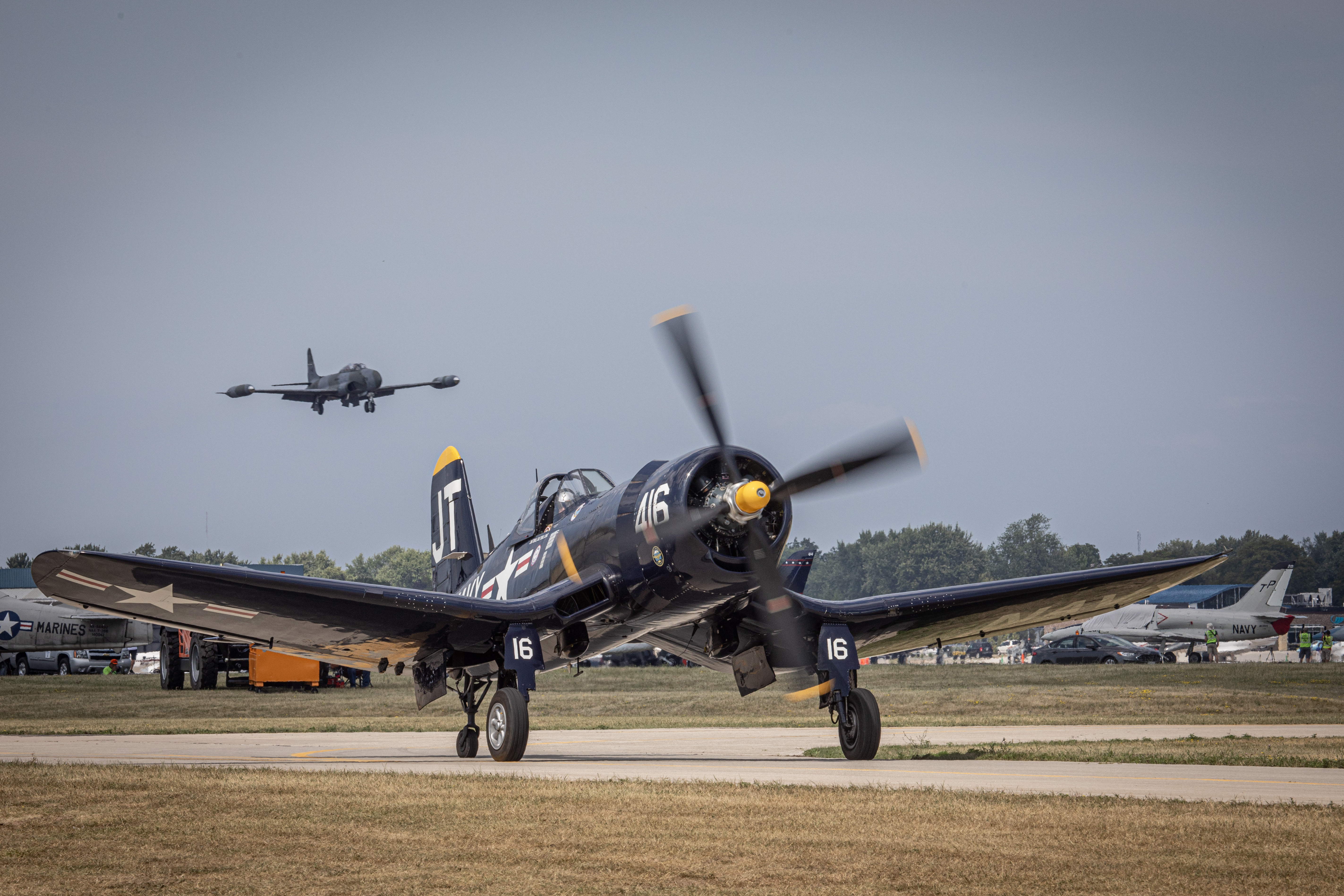
Physics of flight
Why can't a Corsair pilot apply full power when going around after a failed carrier landing?
Because at low speed and high power the Corsair would drop its left wing suddenly and with almost no warning, due to propeller torque. If the throttle was… more…
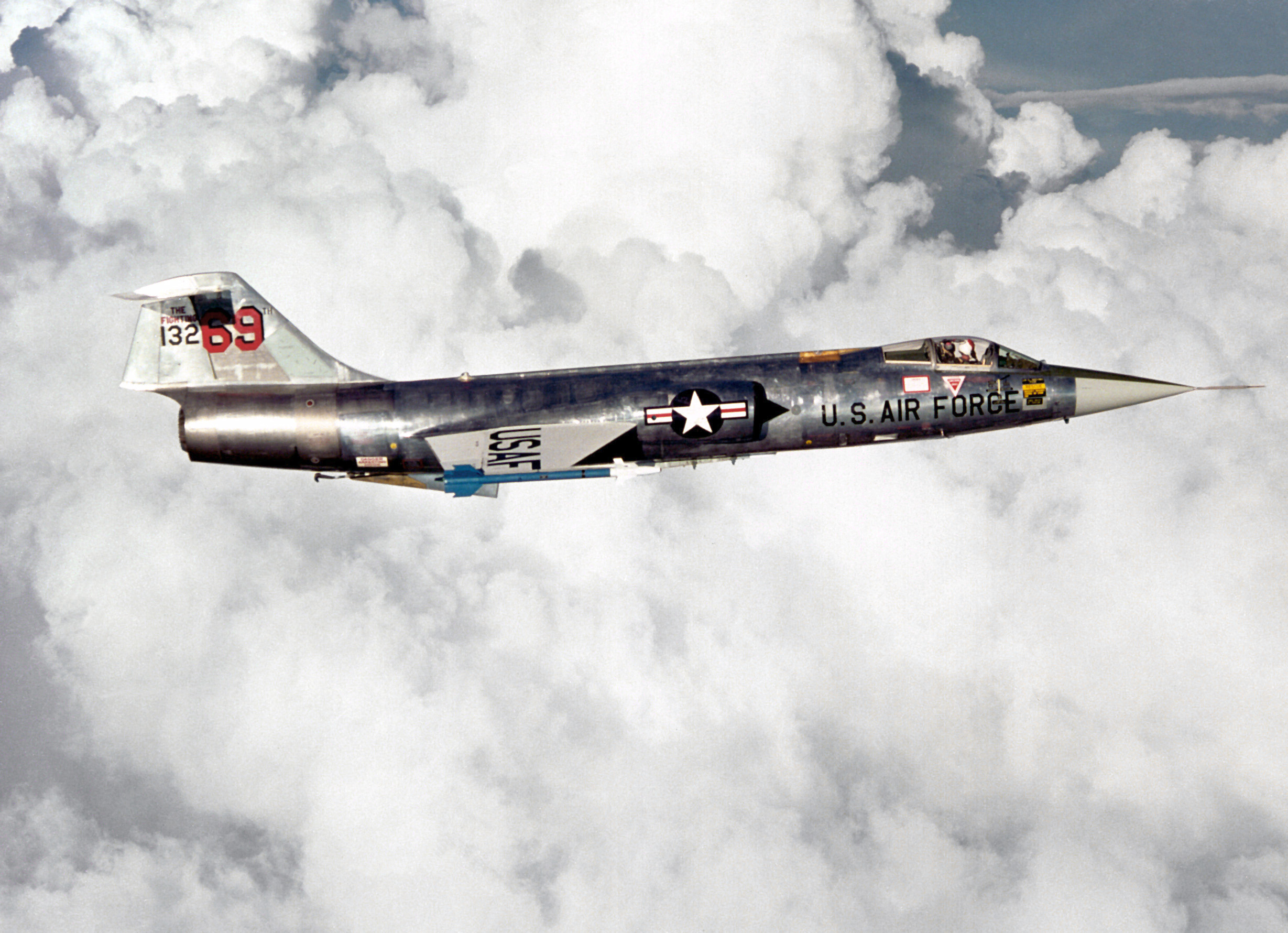
Physics of flight
What did the phrase "banking with intent to turn" mean among F-104 pilots?
It was a joke among Canadian F-104 pilots: banking the aircraft "with intent to turn" referred to its poor low-speed turning. Its sustained turn capability… more…
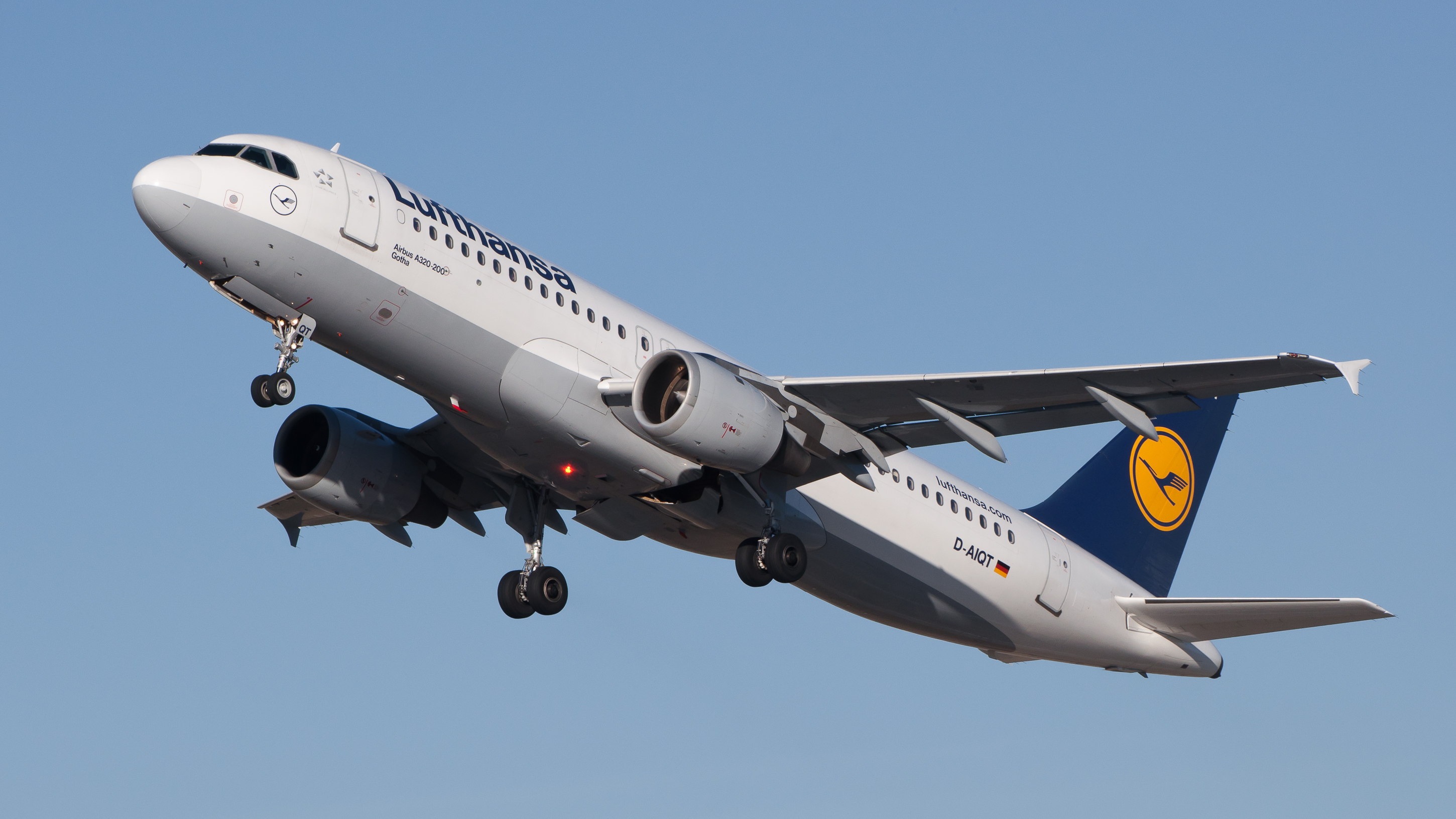
Julian Herzog (Website) (CC BY), vía commons Physics of flight
What is "flight envelope protection," which the A320 pioneered?
A set of limits embedded in the flight control software: it calculates the flight envelope, adds a safety margin, and blocks pilot inputs that would take the… more…
Julian Herzog (Website) (CC BY), vía commons Physics of flight
What is the A320's SHARP package for?
SHARP (SHort AiRfield Package) improves takeoff and landing performance on short runways and is designed to increase low-speed lift. It combines aerodynamic… more…
Physics of flight
What flaw sank Vought's all-metal V-141 fighter?
It wasn't a single flaw: tests showed the V-141 still flew poorly, was prone to spinning, and also suffered tail flutter, which is why it was rejected. It… more…
Physics of flight
What wind tunnel did NACA use to study the Corsair, and how big was it?
The full-scale 30- by 60-Foot Tunnel at the Langley Research Center, in Hampton, Virginia. NACA dedicated the facility on 27 May 1931 and used it to test the… more…


