Did you know…
What happens if you touch a butterfly's wings?
Short answer
Touching a butterfly's wings dislodges some of the microscopic scales that cover them — the fine powder left on your fingers. It isn't fatal and doesn't stop the butterfly from flying: the scales don't regenerate, but the wing membrane stays intact. It can be harmed if you grip it tightly or tear the wing, losing color and protection.

What those scales are
Butterfly wings are made of a very thin transparent membrane, supported by veins, and covered by tens of thousands of tiny scales that overlap like roof tiles. Each scale measures about a tenth of a millimeter and is attached to the membrane by a fragile stalk; the butterfly's color comes from the pigments in those scales and, in iridescent species, from the microscopic structure that breaks up light. The scientific name of the order, Lepidoptera, literally means "wings with scales."
When you touch the wing, pressure and friction dislodge scales, which stick to the skin as a fine, colored powder. This loss is irreversible, because the adult insect doesn't regenerate them, but it isn't a wound: the membrane remains intact and the wing can still fly.
It can fly without them
Butterflies naturally lose scales from day one: through contact with vegetation, rain, and attempted captures by birds and lizards. An old specimen is recognized precisely by its frayed, faded wings. Studies on specimens with scales removed show they can still fly, though less efficiently: the scales contribute to lift by altering the airflow over the wing and improve takeoff, as well as helping regulate temperature and repel water. They also act as a defense: because they detach easily, they allow the butterfly to escape a spiderweb or a bird's beak, leaving only the powder behind.
What actually damages them
The real risk isn't light contact, but gripping. Squeezing the wing between your fingers can tear the membrane or break a vein, and that injury is indeed permanent: a butterfly with a broken wing flies poorly or not at all. It's also dangerous to grip it tightly by the body, since the abdomen is soft. If you need to handle one, for example to release it from a house, the safest way is to let it climb onto a finger or a sheet of paper, or to hold all four wings together and closed at the base, as entomologists do, and release it right away. The myth that "if you touch it, it dies" is false, but it captures a truth: every lost scale never comes back.
More questions
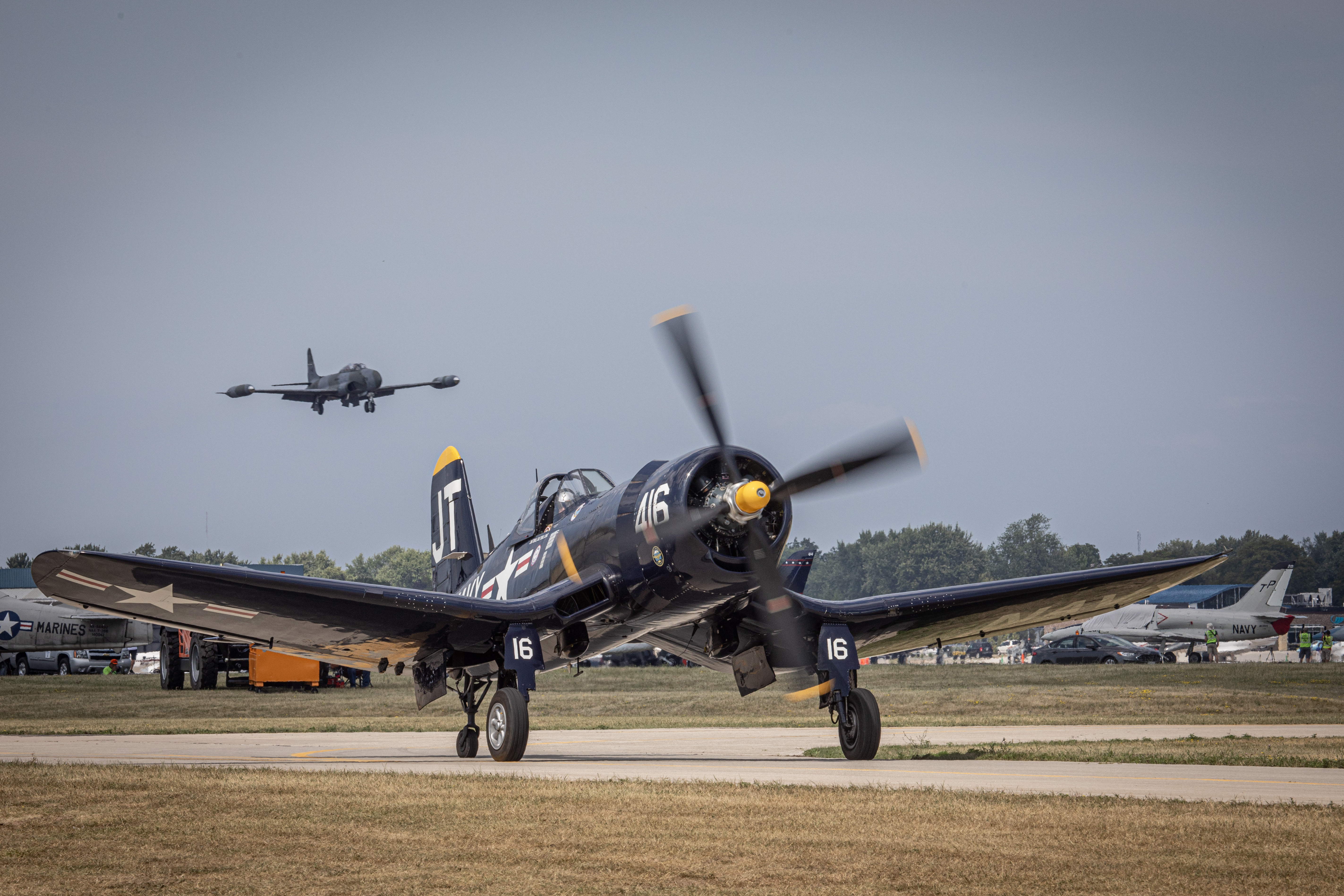
Physics of flight
Why can't a Corsair pilot apply full power when going around after a failed carrier landing?
Because at low speed and high power the Corsair would drop its left wing suddenly and with almost no warning, due to propeller torque. If the throttle was… more…
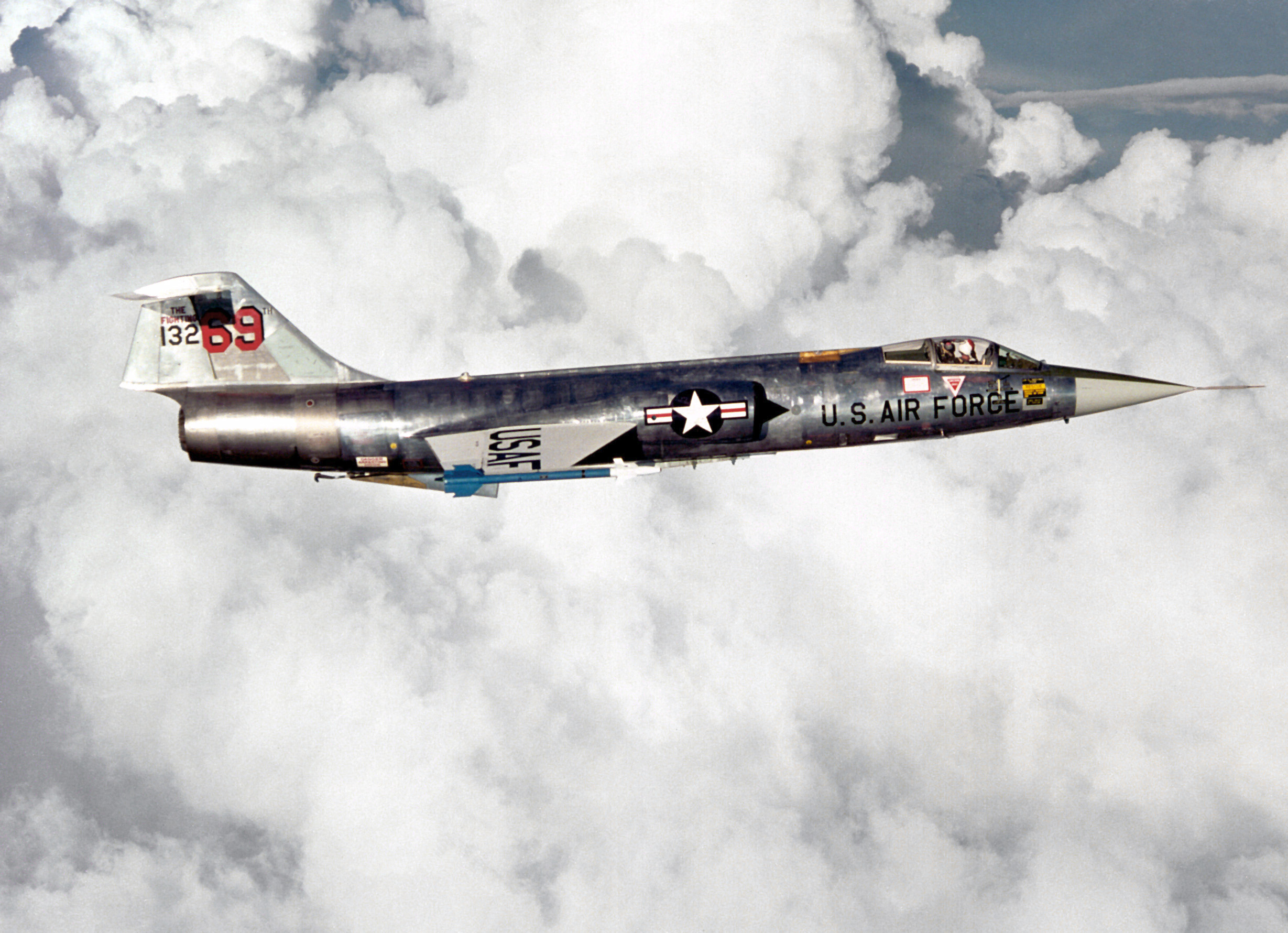
Physics of flight
What did the phrase "banking with intent to turn" mean among F-104 pilots?
It was a joke among Canadian F-104 pilots: banking the aircraft "with intent to turn" referred to its poor low-speed turning. Its sustained turn capability… more…
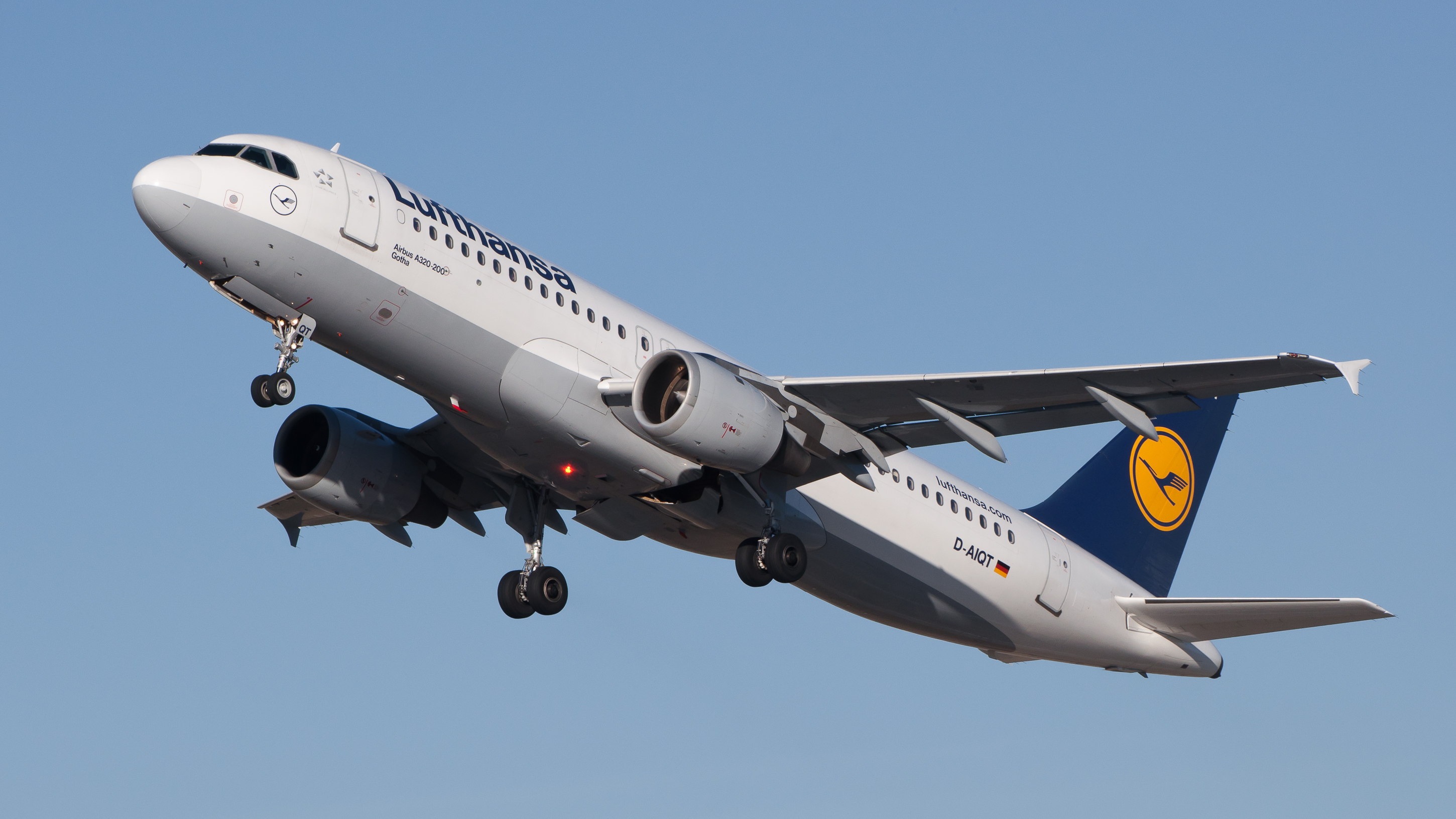
Julian Herzog (Website) (CC BY), vía commons Physics of flight
What is "flight envelope protection," which the A320 pioneered?
A set of limits embedded in the flight control software: it calculates the flight envelope, adds a safety margin, and blocks pilot inputs that would take the… more…
Julian Herzog (Website) (CC BY), vía commons Physics of flight
What is the A320's SHARP package for?
SHARP (SHort AiRfield Package) improves takeoff and landing performance on short runways and is designed to increase low-speed lift. It combines aerodynamic… more…
Physics of flight
What flaw sank Vought's all-metal V-141 fighter?
It wasn't a single flaw: tests showed the V-141 still flew poorly, was prone to spinning, and also suffered tail flutter, which is why it was rejected. It… more…
Physics of flight
What wind tunnel did NACA use to study the Corsair, and how big was it?
The full-scale 30- by 60-Foot Tunnel at the Langley Research Center, in Hampton, Virginia. NACA dedicated the facility on 27 May 1931 and used it to test the… more…


