Did you know…
How long did the Israeli F-16s' flight to Osirak last?
Short answer
About three hours: the eight Israeli F-16As took off from Etzion air base and landed there again after a three-hour mission. At 80 minutes into the flight, they approached the target, and the attack on the Osirak reactor lasted less than two minutes. The distance between the Israeli bases and the reactor exceeded 1,600 km (990 mi).

Eight F-16As from Etzion
Eight Israeli F-16s carried out Operation Opera, their first use in a significant air-to-ground operation. The fighters belonged to the 117th and 110th squadrons, based at Ramat David, and took off from Etzion. Two further Fighting Falcons were held in reserve. The strike formation was assigned a formation of six F-15As to provide fighter cover. The distance between the Israeli military bases and the reactor site exceeded 1,600 km (990 mi; 860 nmi). The formation left Etzion and flew unchallenged through Jordanian and Saudi airspace.
Payload and fuel
Each F-16A carried two unguided Mark-84 2,000 lb (910 kg) delay-action bombs. In addition to internal fuel, it carried two 370-US-gallon external tanks under the wings and a 300-US-gallon tank under the fuselage. The aircraft were so heavily loaded that the external tanks ran dry in flight and were jettisoned over the Saudi desert.
Eighty minutes out and two minutes over the target
After 80 minutes in the air, the attackers approached the target and prepared to strike. The weapons were released over the target in two waves of four Falcons each. The attack lasted less than two minutes. The Iraqi Osirak nuclear reactor, under construction near Baghdad, was severely damaged. All the aircraft landed at Etzion after a three-hour mission.
More questions

Colin Cooke Photo (CC BY SA), vía commons Aviation history
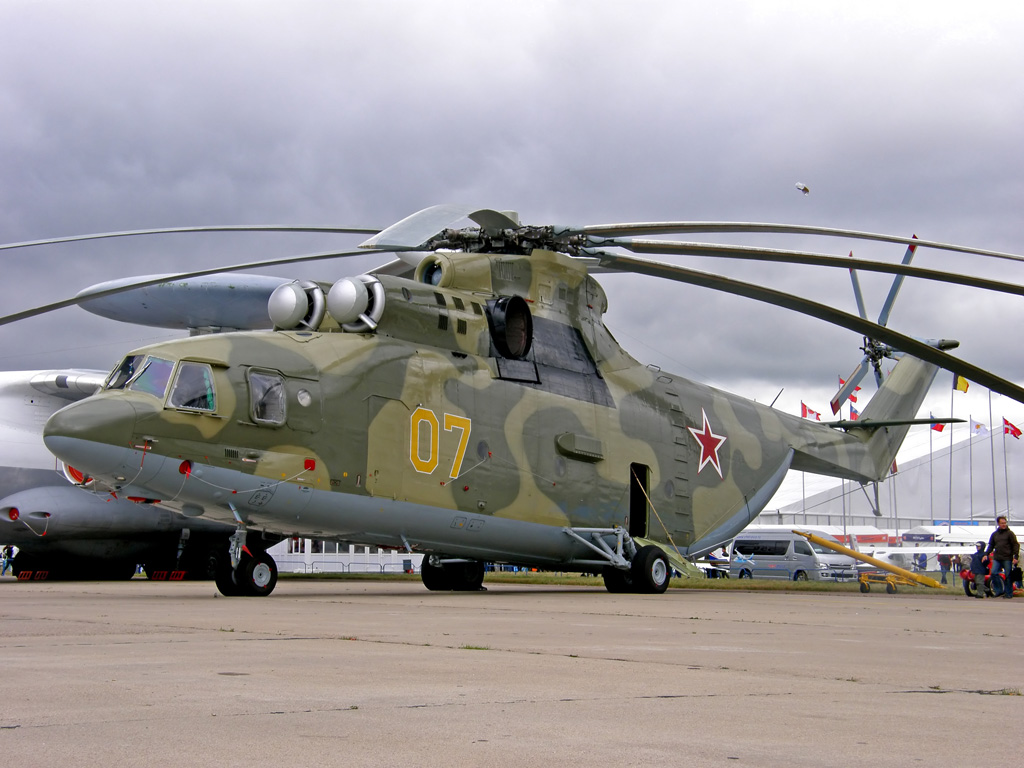
What was the An-26's bubble window for?
The An-26's bulged windows were observation windows, part of its military equipment alongside folding canvas seats for paratroopers, an overhead hoist and… more…
Dmitry Terekhov from Odintsovo, Russian Federation (CC BY SA), vía commons Aviation history
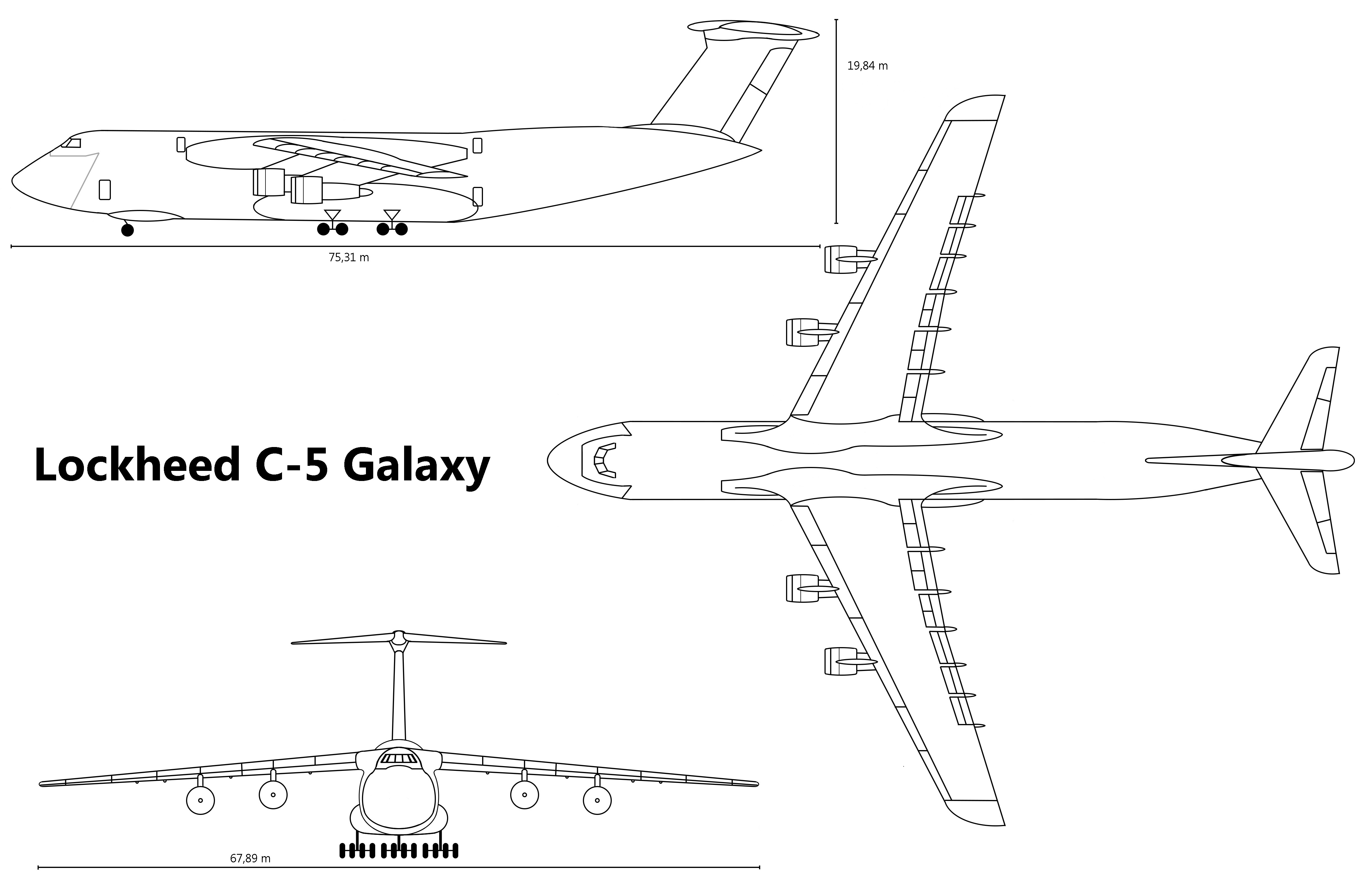
At what altitude could the An-32 operate?
The An-32's service ceiling is 9,500 m (31,200 ft). More striking is its hot-and-high performance: it has outstanding takeoff characteristics at temperatures… more…
Saggittarius A (CC BY SA), vía commons Aviation history
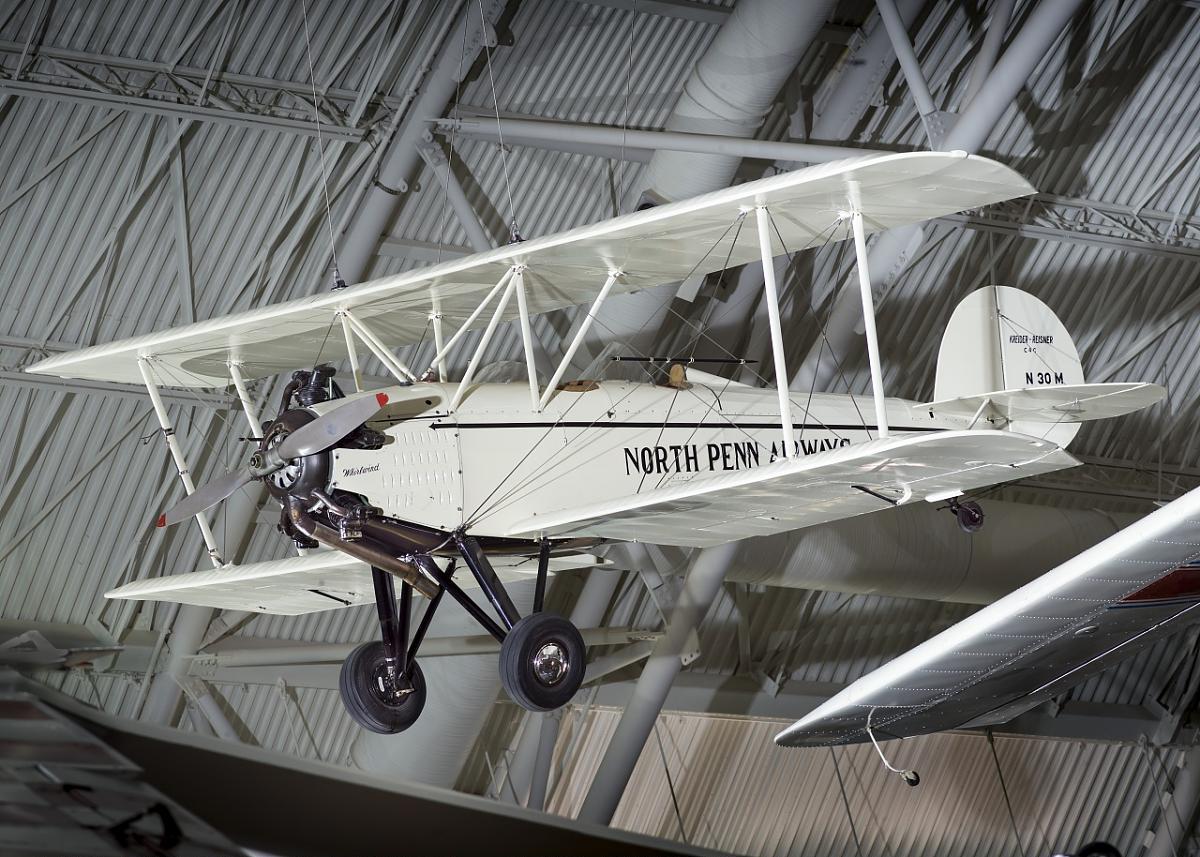
Which Western aircraft was the An-40 compared to?
The Lockheed C-5 Galaxy. The An-124, called An-40 in the West during its development, broadly resembled the American strategic transport, though with… more…
Aviation history
What is the An-72's landing gear like?
Four independent single-wheel main legs that retract inward into sizeable fairings. Combined with high-flotation tyres, that sturdy gear lets the aircraft… more…
Aviation history
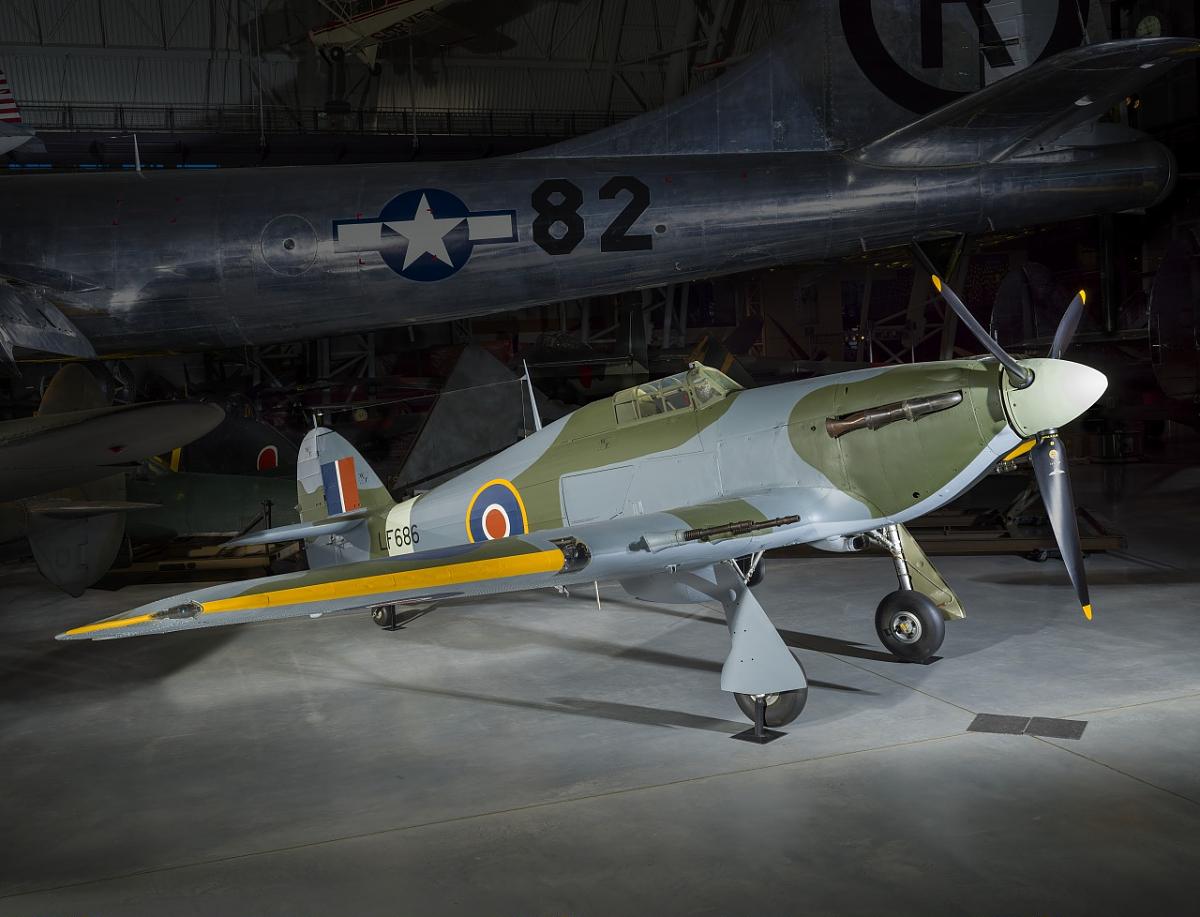
Which fighter replaced the Arado Ar 65E?
The Heinkel He 51: from 1935 it replaced the Arado Ar 65 as a front-line fighter. The He 51 had been designed to replace the Ar 65 and served alongside the… more…
Aviation history
How many float-equipped Ar 66s were built?
Ten: ten production Ar 66B floatplanes were built, in addition to the Ar 66b prototype, the program's second prototype, completed as a floatplane. The main… more…


