Did you know…
Why don't planes have wifi?
Short answer
The premise isn't quite accurate: many planes already have wifi, especially on long-haul routes. Those that don't lack it because connecting a plane requires installing a satellite or air-to-ground antenna, certifying the modification and grounding the aircraft, a cost that airlines don't always find worthwhile on short flights and older fleets.

A premise that no longer holds
More and more planes have wifi. Major airlines in the United States, the Gulf and Europe offer it on most of their long-haul fleet and on a good part of their short-haul fleet, and some have made it free with the arrival of low-earth-orbit satellite constellations like Starlink. What remains true is that connectivity is not universal: many regional flights, low-cost carriers and older aircraft still don't offer it, for technical and economic reasons rather than legal ones.
What it takes to connect a plane
A plane can't use an ordinary mobile network at 11,000 m of altitude and 850 km/h. It needs an antenna on the fuselage that talks to geostationary or low-earth-orbit satellites, or to special ground towers in air-to-ground systems that only work over land. Installing it requires modifying the structure, obtaining a supplemental type certificate from the FAA or EASA, wiring the cabin and accepting the small increase in drag and weight from the radome. It's work that grounds the aircraft for several days, so airlines schedule it to coincide with major overhauls.
The economic calculation
On a one-hour flight, few passengers pay to connect, and satellite bandwidth is billed by volume consumed. For years, the investment didn't pay off for a short-haul carrier; that's why wifi arrived first on long-haul routes, where business passengers value it and the plane spends many hours connected. Falling satellite costs and competitive pressure are changing that calculation, and new aircraft now roll off the factory floor already equipped. The wifi that's still missing today is generally a matter of time and fleet age.
More questions
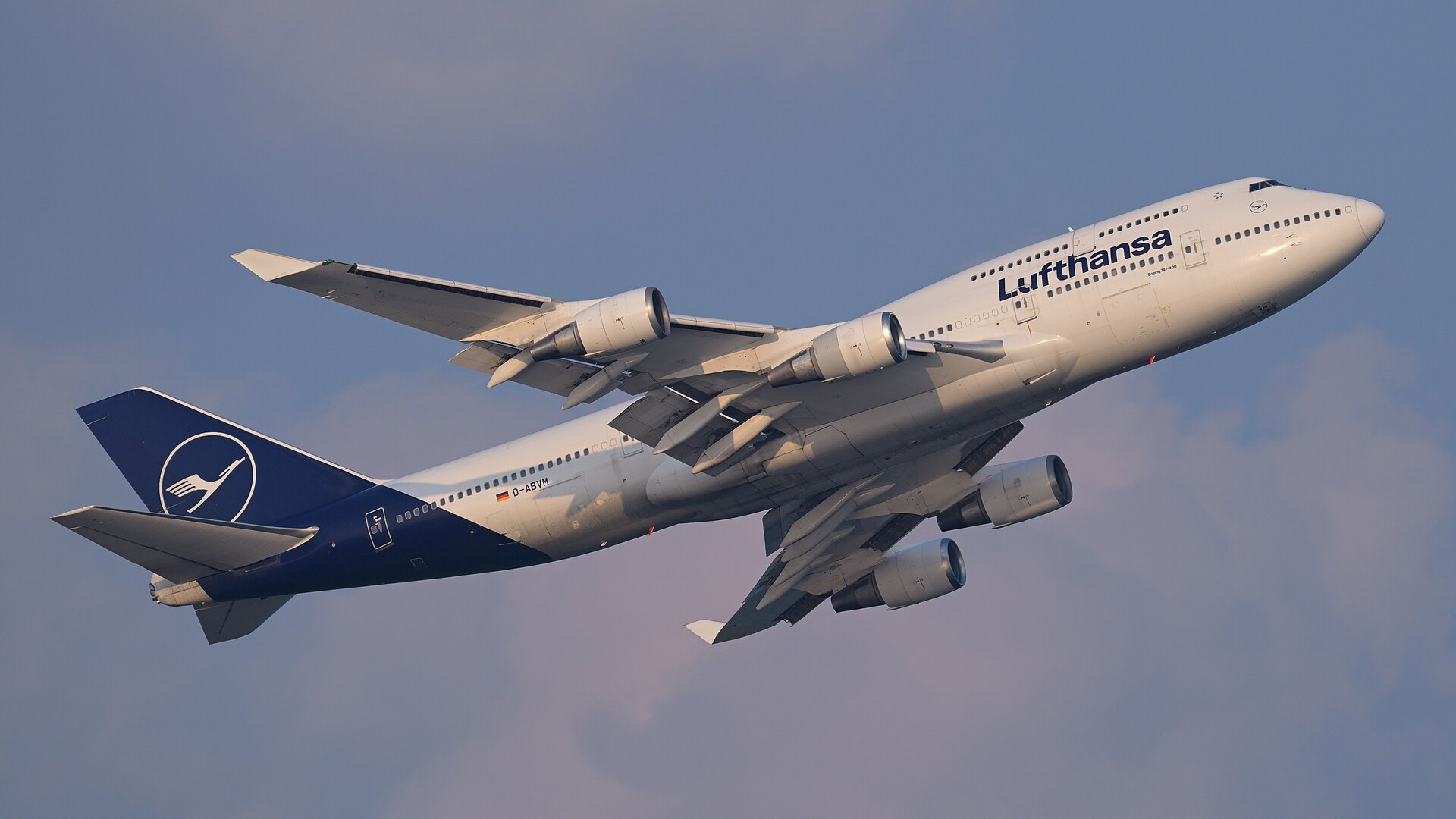
Foto: 4300streetcar (CC BY 4.0) Commercial aviation
Which 747 carried Enterprise "piggyback"?
The first Shuttle Carrier Aircraft was a Boeing 747-123 registered N905NA, originally built for American Airlines and acquired by NASA in 1974. Boeing… more…
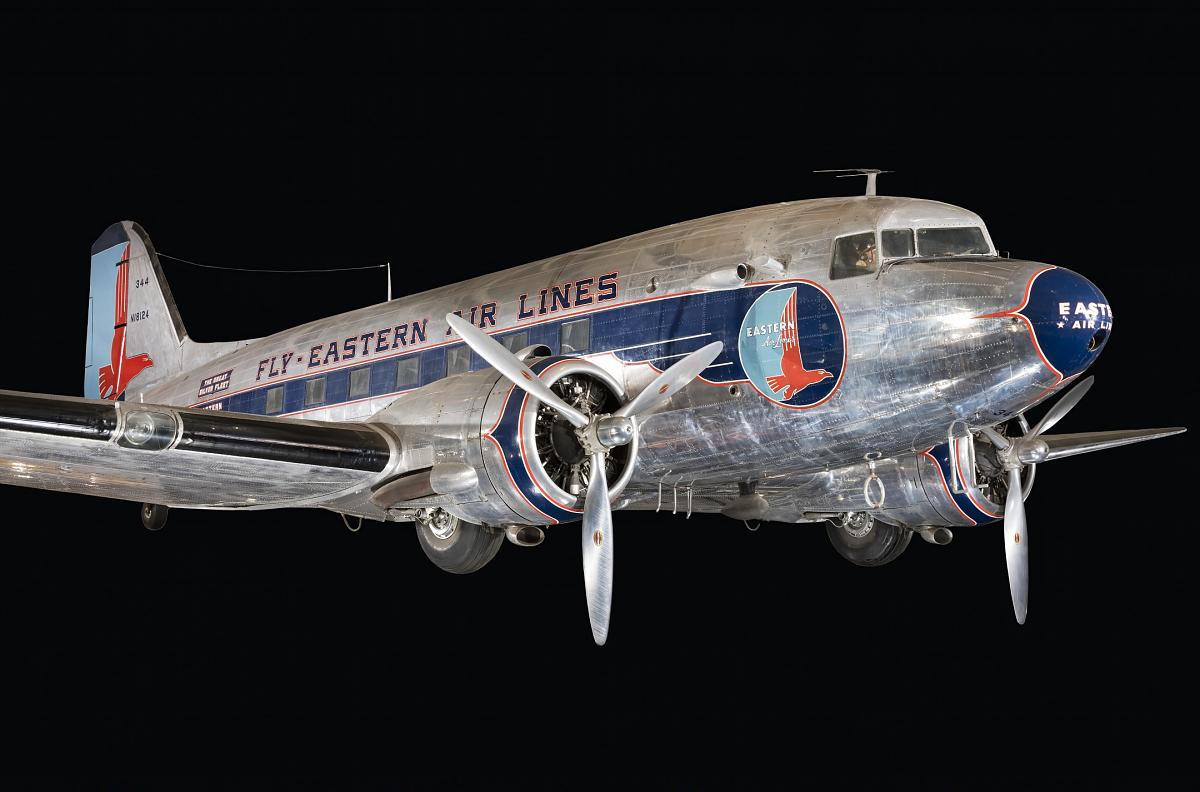
Commercial aviation
Was there an amphibious DC-3?
Yes: the Douglas XC-47C was created by fitting Edo Model 78 floats onto a standard C-47. The single-step metal floats carried retractable wheels that also… more…
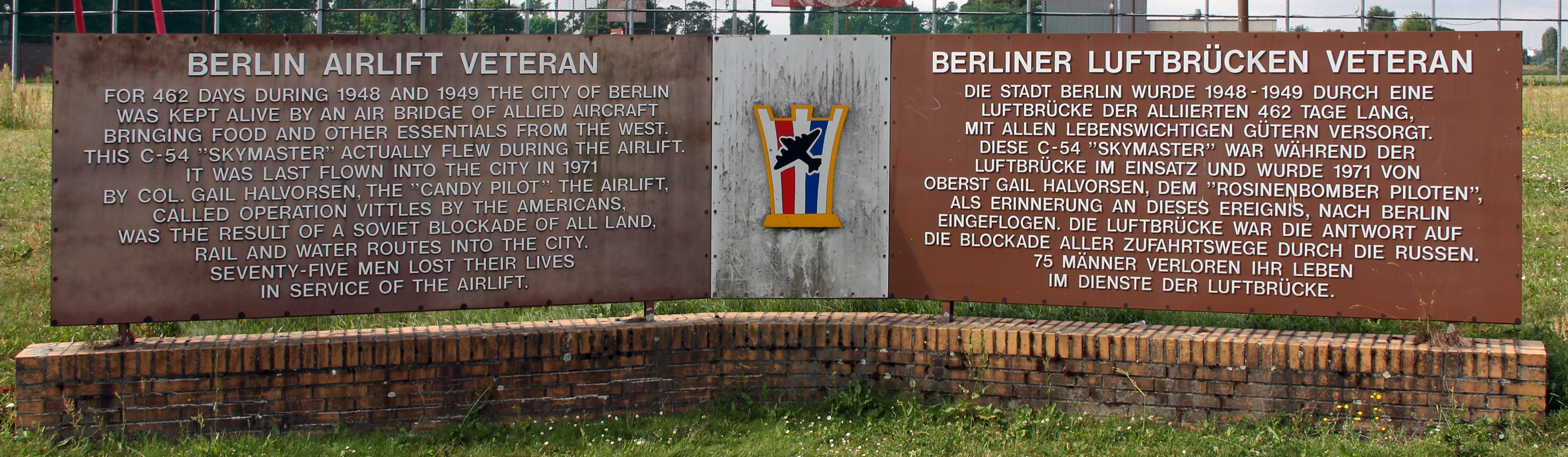
OTFW, Berlin (CC BY SA), vía commons Commercial aviation
Was a C-47 converted into a glider?
Yes: the Douglas XCG-17 was an assault glider created by converting a twin-engine C-47 Skytrain during World War II. Its engines were removed and the nacelles… more…
Commercial aviation
What did the USSR build from the DC-3?
The USSR built a version of the DC-3 under a licence granted to its government on 15 July 1936. It was designated PS-84 and, in 1942, renamed Lisunov Li-2… more…
Commercial aviation
What was "Puff, the Magic Dragon"?
It was the nickname of the Douglas AC-47 Spooky, the first in a series of fixed-wing gunships developed by the United States Air Force during the Vietnam War… more…
Commercial aviation
How did the RAF refer to the C-47?
The RAF called it Dakota: the Dakota I was the designation for 53 C-47s received under Lend-Lease. The Dakota III designated 962 C-47A Skytrains. The Dakota… more…


