Did you know…
How long did the saturn v take to build?
Short answer
Development of the Saturn V ran from 1962, when NASA settled on the configuration, to its first flight in November 1967 — roughly five and a half years from decision to launch. Each individual vehicle then had to be built and tested across a web of contractors and NASA centres before shipping to the Kennedy Space Center for final assembly.

From decision to first flight
The Saturn V did not begin as a finished design. NASA spent 1961 and 1962 arguing over how to reach the Moon, and the choice of lunar orbit rendezvous in mid-1962 fixed how much mass the rocket had to throw and therefore what it had to be. Contracts followed quickly: Boeing for the S-IC first stage, North American Aviation for the S-II second stage, Douglas Aircraft for the S-IVB third stage, and IBM for the instrument unit, with Marshall Space Flight Center under Wernher von Braun directing the whole. The first vehicle, AS-501, flew as Apollo 4 on 9 November 1967 — an all-up test in which every stage flew live on the first attempt, a decision that saved years over the incremental approach von Braun's team had traditionally favoured.
Building each rocket
Once the design was frozen, production was a distributed industrial exercise rather than a single assembly line. Stages were built at Michoud in Louisiana, Seal Beach in California and Huntington Beach, static-fired at Mississippi Test Facility or Santa Susana, then shipped by barge through the Gulf and up the Atlantic coast to Florida. There the stages were stacked vertically inside the Vehicle Assembly Building on a mobile launcher platform and checked out as a complete vehicle. Counting stage fabrication, acceptance firing, transport and stacking, each vehicle moved through a long pipeline, with several in flow at once to sustain the launch cadence of 1968 to 1972.
The scale behind the schedule
Thirteen Saturn V vehicles flew, and the programme drew on a workforce across hundreds of contractors. The compression is what impresses: from a configuration decision in 1962 to landing a crew on the Moon in July 1969 is seven years, with the rocket itself flying for the first time less than halfway through.
More questions
.jpg)
Astronauts and life in space
Why does astronauts float in space?
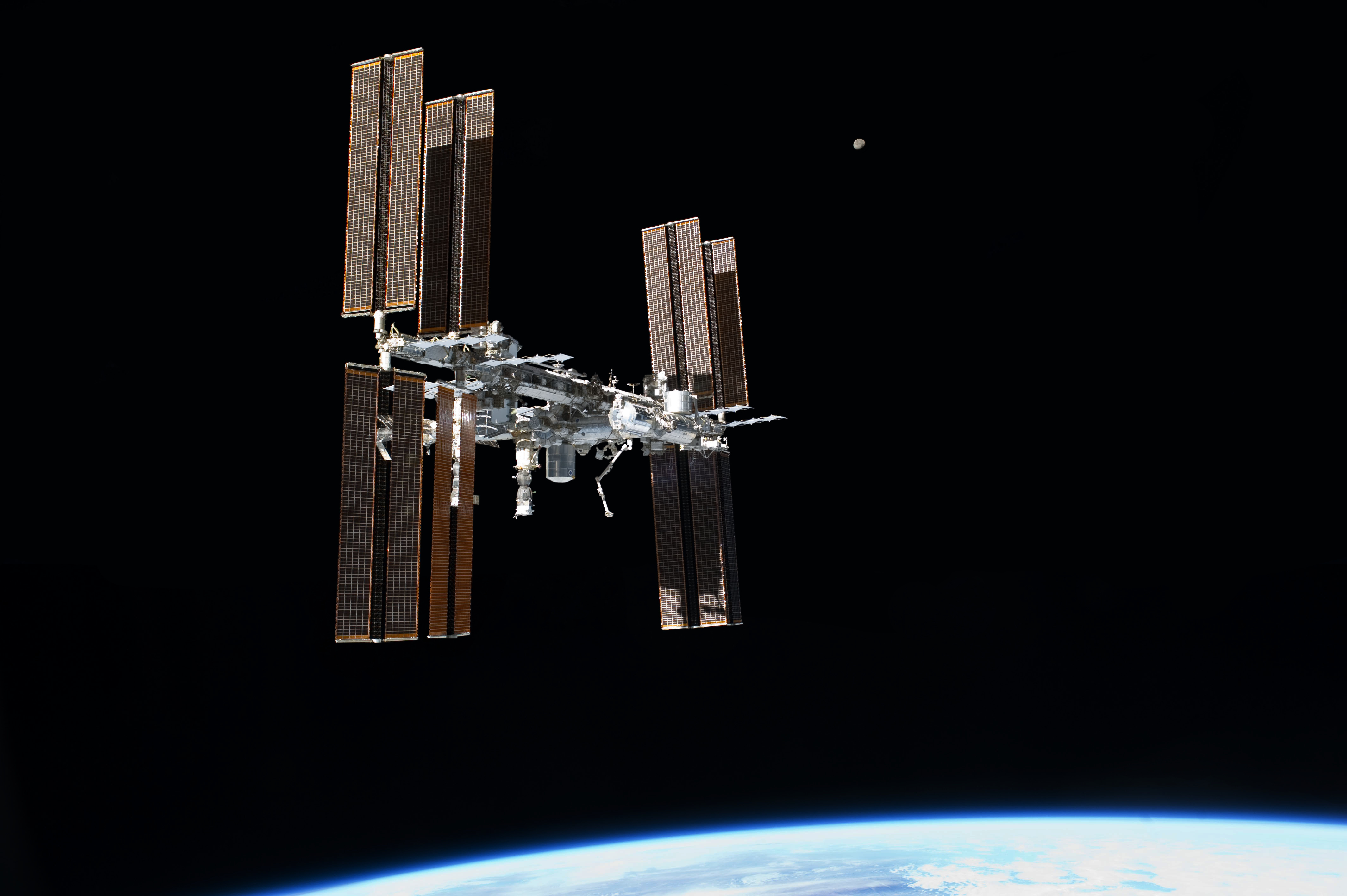
Because they are in free fall, not because gravity is absent. At the International Space Station's altitude of about 400 km, Earth still pulls almost as hard… more…
YSSYguy (CC BY SA), vía commons Astronauts and life in space
Why did yuri gagarin die?
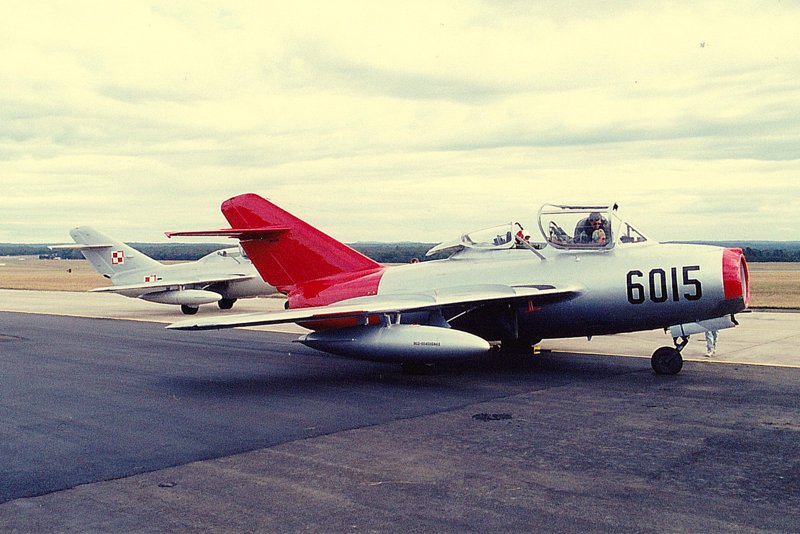
Gagarin died in an aircraft crash, not in a spacecraft. On 27 March 1968 the MiG-15UTI trainer he was flying with instructor Vladimir Seryogin went down in… more…

Astronauts and life in space
How much an astronaut is paid?
NASA's civilian astronauts are ordinary federal employees, paid on the General Schedule grade-and-step scale with no bonus per flight, per spacewalk or per… more…
.png)
Astronauts and life in space
Why is blue origin so slow?
Blue Origin was built on deliberate, owner-funded incrementalism: its motto is Gradatim Ferociter, step by step, and it spent its first two decades on… more…
Astronauts and life in space
When did astronauts last walk on the moon?
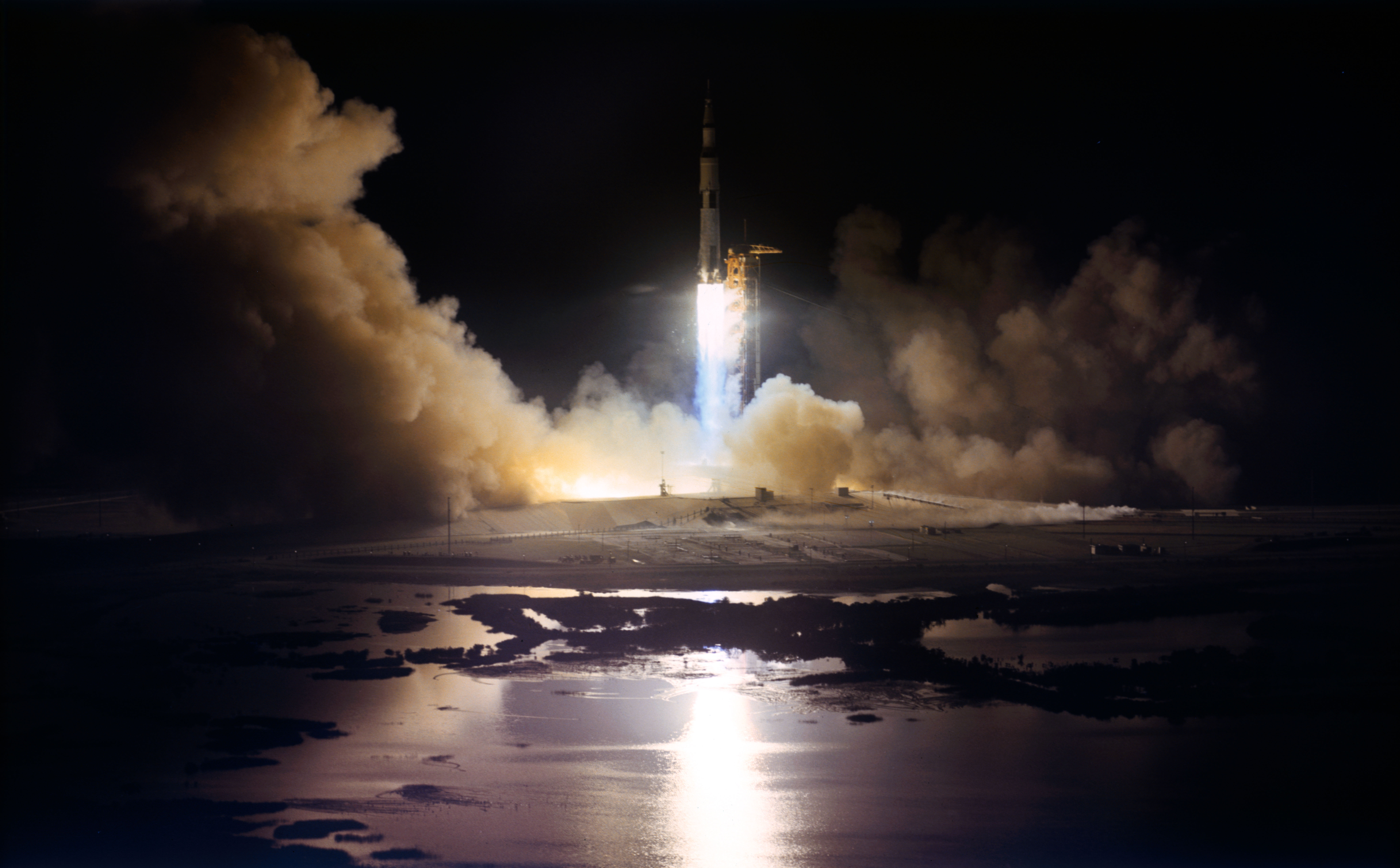
Apollo 17, in December 1972. Eugene Cernan and Harrison Schmitt landed in the Taurus-Littrow valley on 11 December 1972, worked on the surface for three days… more…
Astronauts and life in space
How high do astronauts orbit the earth?
Crewed spaceflight today happens a few hundred kilometres up. The International Space Station orbits at about 400 km, lapping the planet roughly every 90… more…


