Did you know…
How was the KT flying tank meant to land?
Short answer
By gliding: the tank would reach the battlefield, shed its wings, and be ready to fight within minutes. The A-40 was the Soviet attempt to have a tank glide to a battlefield after being towed in flight by an aircraft; in 1942 a T-60 was converted into a glider.

A tank with wings
The Soviet Air Force tasked Oleg Antonov with designing a glider for landing tanks. The A-40 was the Soviet attempt to have a tank reach a battlefield by gliding after being towed in flight by an aircraft. In 1942, a T-60 was converted into a glider, with the intention of towing it using a Petlyakov Pe-8 or a Tupolev TB-3.
The planned landing
The idea was that the tank would glide to the battlefield, shed its wings and be ready to fight within a matter of minutes. At the controls of the A-40 flew Sergei Anokhin, a celebrated Soviet test glider pilot.
A single flight
That flight, the aircraft's only one, took place on 2 September 1942, and the TB-3 bomber had to release the glider in the air. The T-60 generated extreme aerodynamic drag. With no aircraft powerful enough to tow it at the required 160 km/h (99 mph), the project was abandoned.
More questions

Colin Cooke Photo (CC BY SA), vía commons Aviation history
What was the An-26's bubble window for?
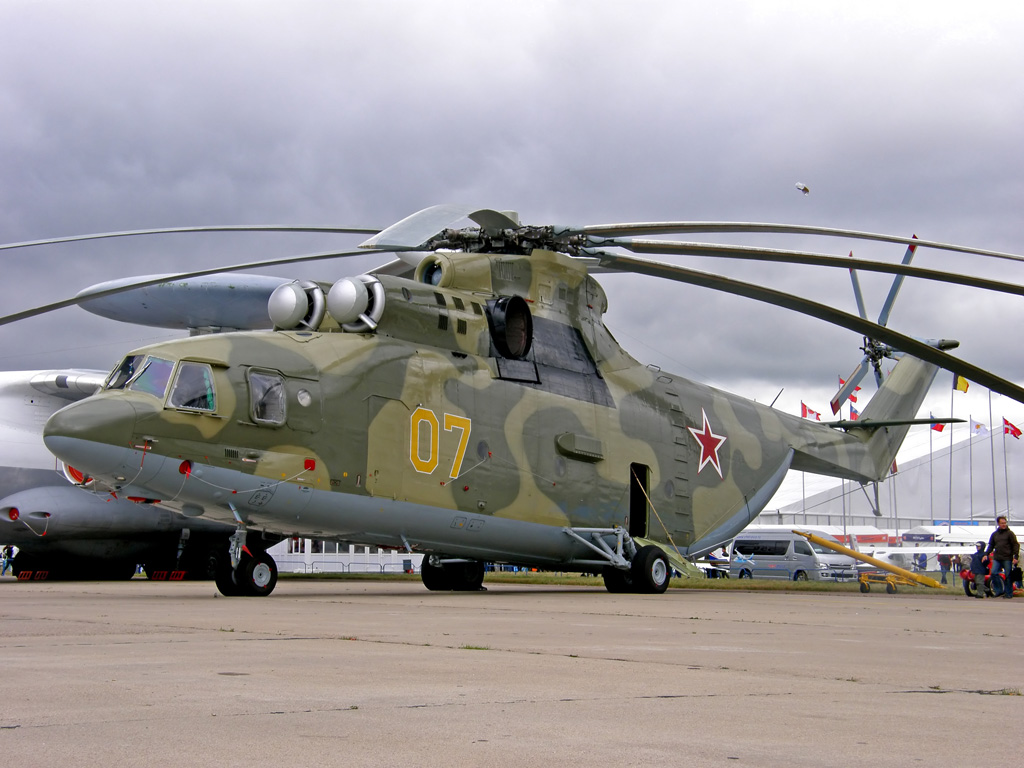
The An-26's bulged windows were observation windows, part of its military equipment alongside folding canvas seats for paratroopers, an overhead hoist and… more…
Dmitry Terekhov from Odintsovo, Russian Federation (CC BY SA), vía commons Aviation history
At what altitude could the An-32 operate?
The An-32's service ceiling is 9,500 m (31,200 ft). More striking is its hot-and-high performance: it has outstanding takeoff characteristics at temperatures… more…
Saggittarius A (CC BY SA), vía commons Aviation history
Which Western aircraft was the An-40 compared to?
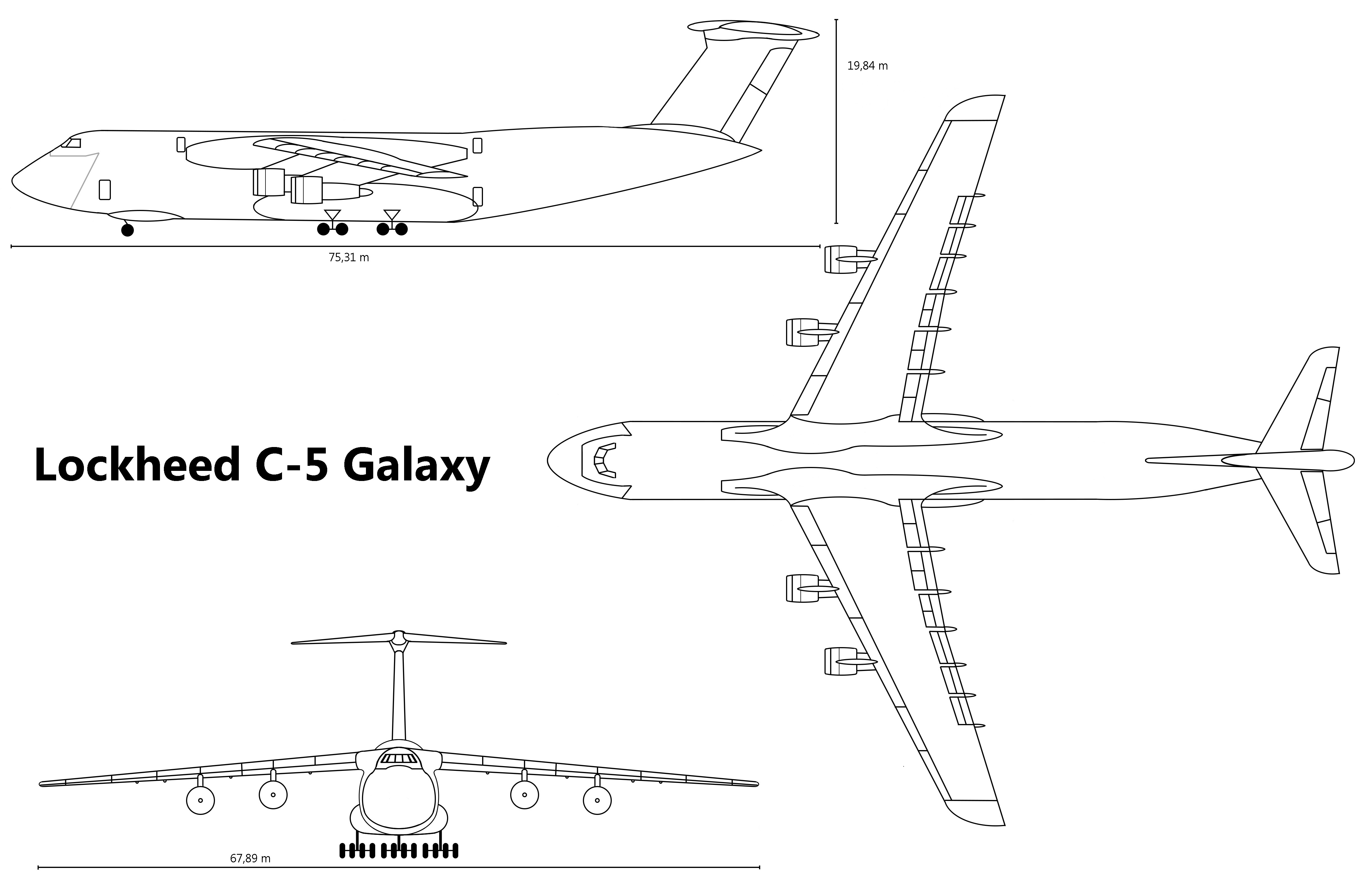
The Lockheed C-5 Galaxy. The An-124, called An-40 in the West during its development, broadly resembled the American strategic transport, though with… more…
Aviation history
What is the An-72's landing gear like?
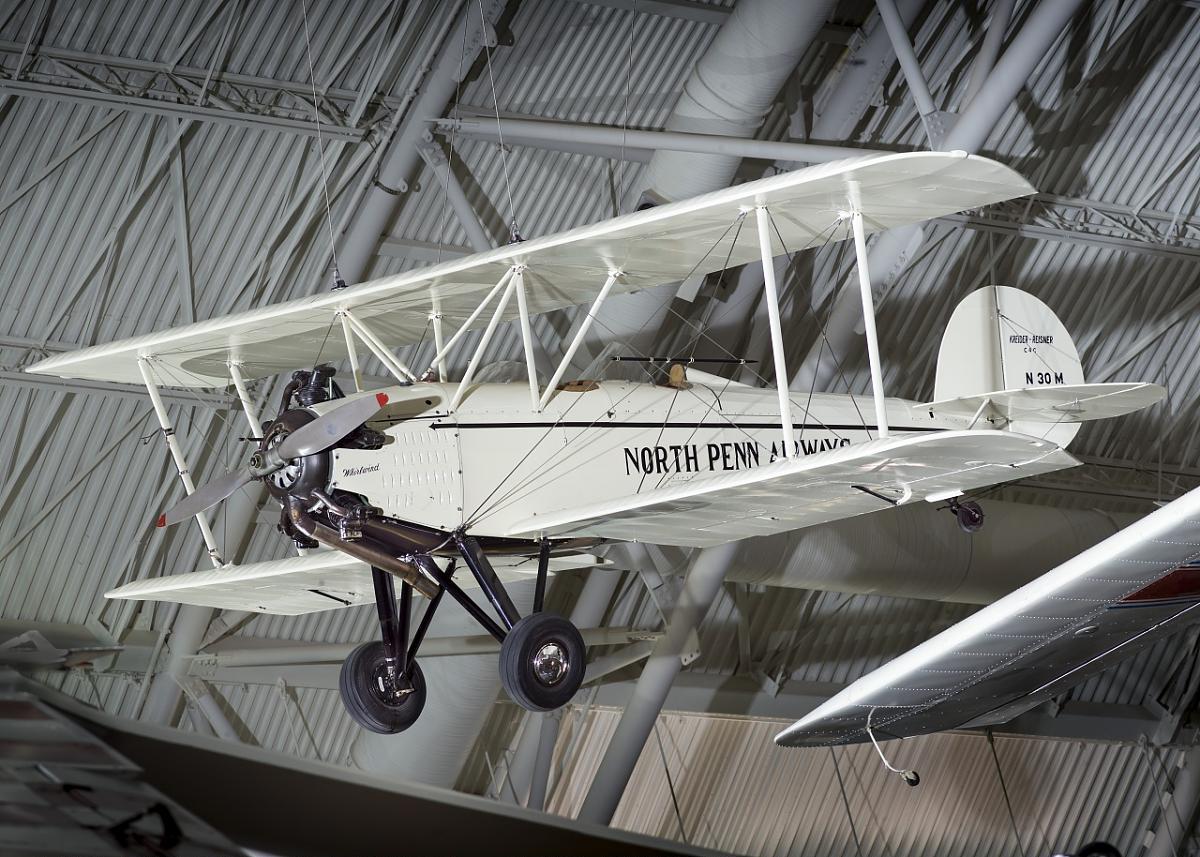
Four independent single-wheel main legs that retract inward into sizeable fairings. Combined with high-flotation tyres, that sturdy gear lets the aircraft… more…
Aviation history
Which fighter replaced the Arado Ar 65E?
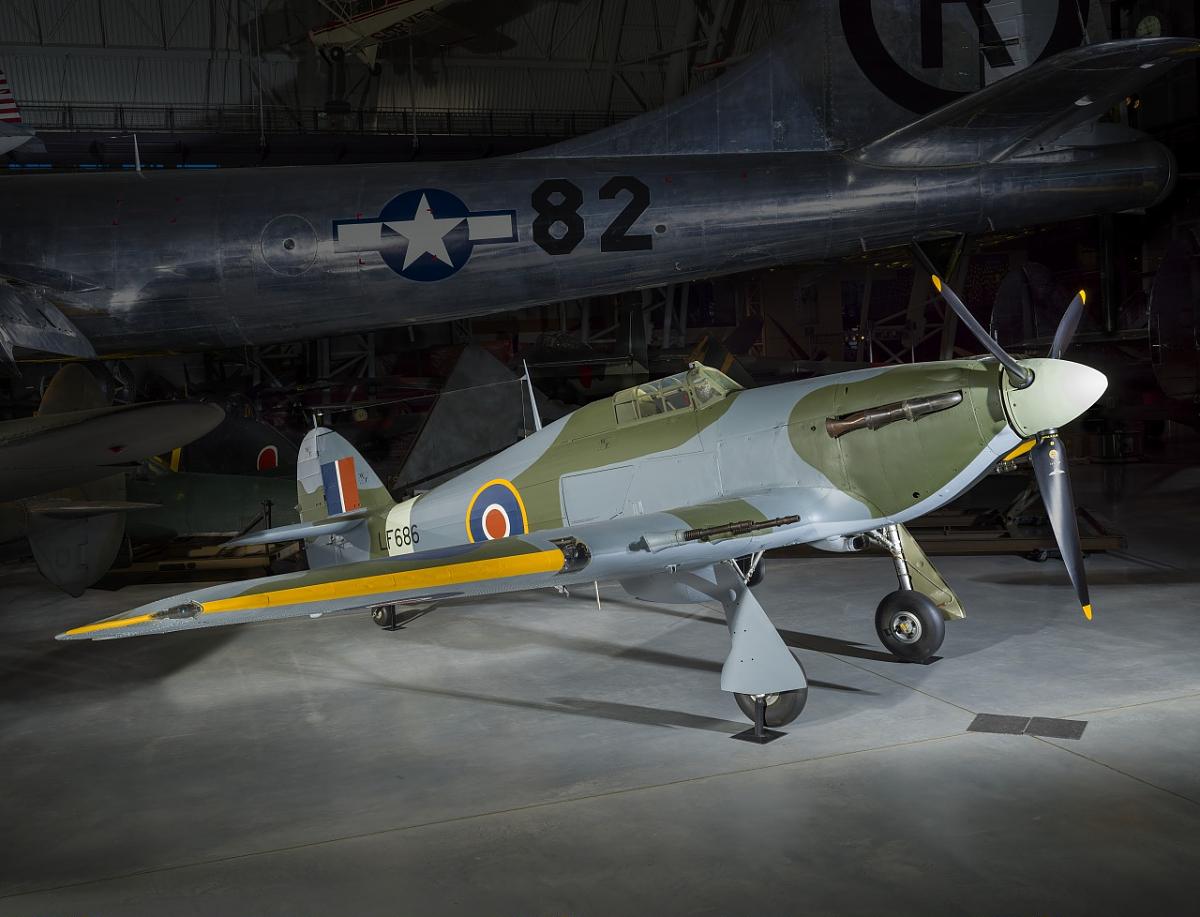
The Heinkel He 51: from 1935 it replaced the Arado Ar 65 as a front-line fighter. The He 51 had been designed to replace the Ar 65 and served alongside the… more…
Aviation history
How many float-equipped Ar 66s were built?
Ten: ten production Ar 66B floatplanes were built, in addition to the Ar 66b prototype, the program's second prototype, completed as a floatplane. The main… more…


