Did you know…
How much time neil armstrong spent on moon?
Short answer
Armstrong and Aldrin spent 21 hours, 36 minutes on the Moon's surface, almost all of it inside the lunar module Eagle. Armstrong stepped onto the surface about 109 hours, 42 minutes after launch and the moonwalk ended at 111 hours, 39 minutes mission time — more than two and a half hours outside.

The clock on the surface
Eagle touched down in Mare Tranquilitatis on 20 July 1969 at 20:17:40 UT (4:17:40 p.m. EDT), about 102 hours and 45 minutes into the mission. The ascent stage lifted off the next day at 17:54:01 UT, after 21 hours and 36 minutes on the lunar surface. That is the honest answer to the question: Armstrong's stay on the Moon lasted a little under a day, and most of it was spent inside a pressurised cabin roughly the size of a small lift, eating, running checks and trying to rest in a cold, noisy machine standing on four legs.
Two and a half hours outside
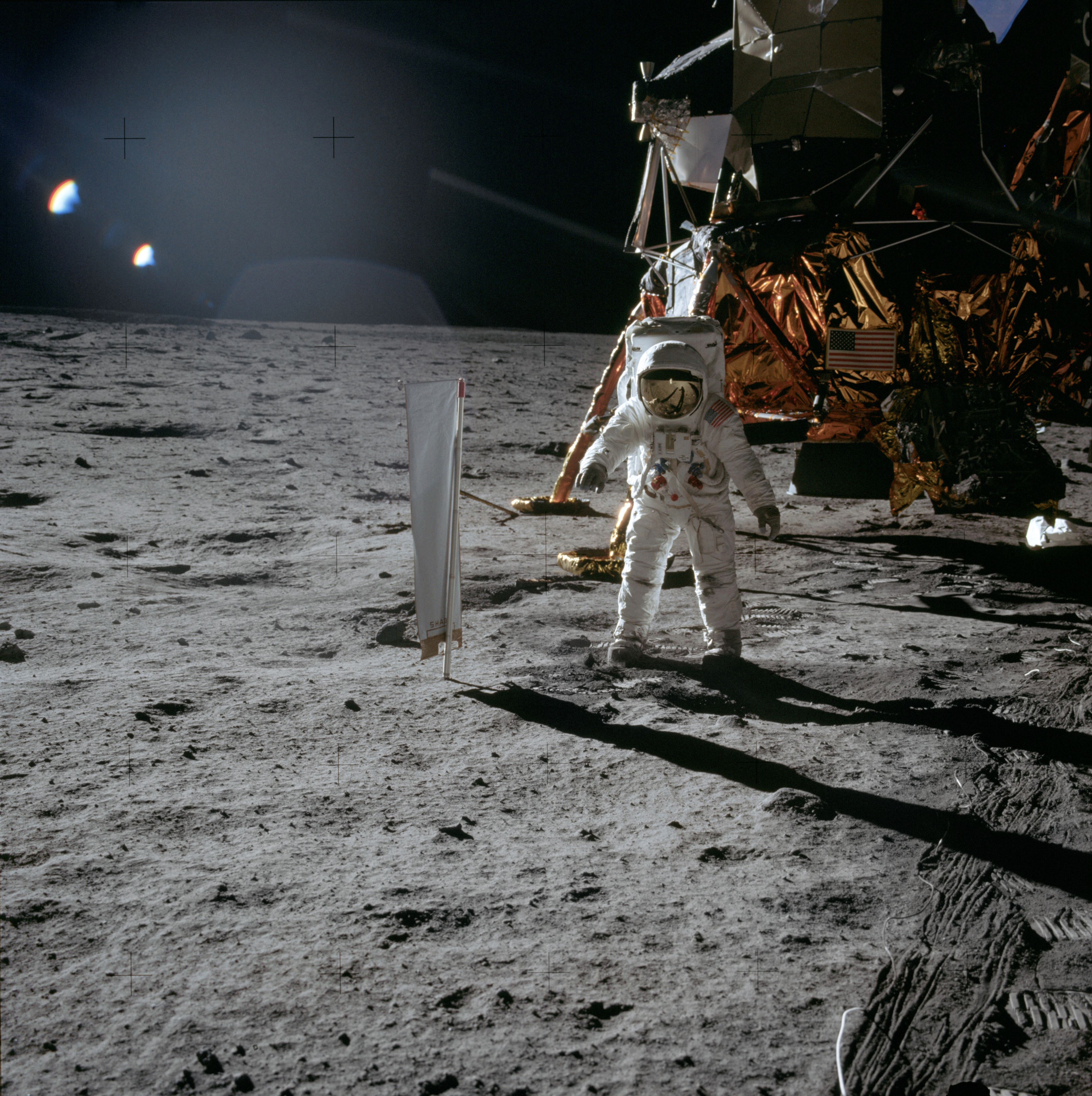
The moonwalk was a small slice of the stay. Armstrong stepped onto the surface about 109 hours and 42 minutes after launch; the extravehicular phase lasted more than two and a half hours and ended at 111 hours and 39 minutes of mission elapsed time. In that window the two men deployed the EASEP instrument package, planted the flag, took the photographs that defined the decade, spoke to the US president and collected 21.55 kg of rock and soil. Aldrin came down the ladder some minutes after Armstrong, so his own time outside was shorter still.
Why the first visit was so brief
Caution set the schedule. Nobody knew how the suits, the cooling system or the abrasive lunar dust would behave over long exposure, so the flight plan bought only the time needed to prove that a crew could land, work and leave. Backpack consumables, the thermal environment and an ascent engine with exactly one chance to fire all argued for brevity. Later crews pushed much further, staying days rather than hours and driving a rover away from the lander. Measured against them, Armstrong's 21 hours and 36 minutes read like a rehearsal — which is precisely what the mission was designed to be, a demonstration that the whole sequence worked at all.
More questions
Moon and Mars
How does neil armstrong look like?
The face most people picture is not his: the gold-visored astronaut in the famous Apollo 11 photograph is Buzz Aldrin, shot by Armstrong. Armstrong himself is… more…

Richard Dorrell (CC BY SA), vía commons Moon and Mars
How does the moon affect the tides?
By pulling unevenly on it. Tidal forces vary inversely as the cube of the distance, so the near side of the Earth is tugged harder than the far side: one… more…
Moon and Mars
Why does neil armstrong have a hollywood star?
Strictly he does not have a star. Armstrong, Aldrin and Collins share four circular monuments resembling the Moon, one at each corner of Hollywood and Vine… more…

Foto: SpaceX (CC0) Moon and Mars
Why did falcon 9 hit the moon?
Because a spent upper stage on a lunar trajectory has no mission and no way to steer. A Falcon 9 upper stage from the January 2025 Firefly Blue Ghost 1 launch… more…
Moon and Mars
How much apollo 11 cost?
NASA never published a price for Apollo 11 on its own; what is documented is the program. The United States spent $25.8 billion on Project Apollo between 1960… more…
Moon and Mars
How much did neil armstrong get paid?
Nothing extra for the Moon. Armstrong flew as a civilian federal employee and was paid the salary of the post he held, with no per-flight fee; when NACA hired… more…
