Did you know…
How many Amiens had arrived before the armistice?
Short answer
Very few: by 31 October 1918, less than two weeks before the end of the conflict, only eight aircraft had been delivered to the RAF, including the IAF; by the end of 1918 those accepted numbered 13. No. 104 Squadron flew a single bombing mission, on 10 November 1918.

From prototype to orders
On 7 July 1917 the first German bombers appeared in the skies over London. The first prototype, C8858, made its maiden flight on 4 March 1918. The second, C8959, known as the Amiens Mark II, was powered by two 270 kW (360 hp) Rolls-Royce Eagle VIII engines. By 22 March 1918, production contracts had already been signed with five different manufacturers, for a total of 800 aircraft, even before the evaluation of the first prototype was complete. In June and July of that year, contracts for a further 475 aircraft followed from Airco, Alliance and Mann Egerton.
Eight aircraft on 31 October 1918
By 31 October 1918, less than two weeks before the end of the conflict, only eight aircraft had been delivered to the RAF, including the IAF. By the end of 1918 the number of aircraft accepted was 13. No. 104 Squadron (41st Wing, VIII Brigade) flew a single bombing mission, on 10 November 1918, before the armistice that ended the First World War. The DH.10s that were built were operated during the interwar period.
More questions
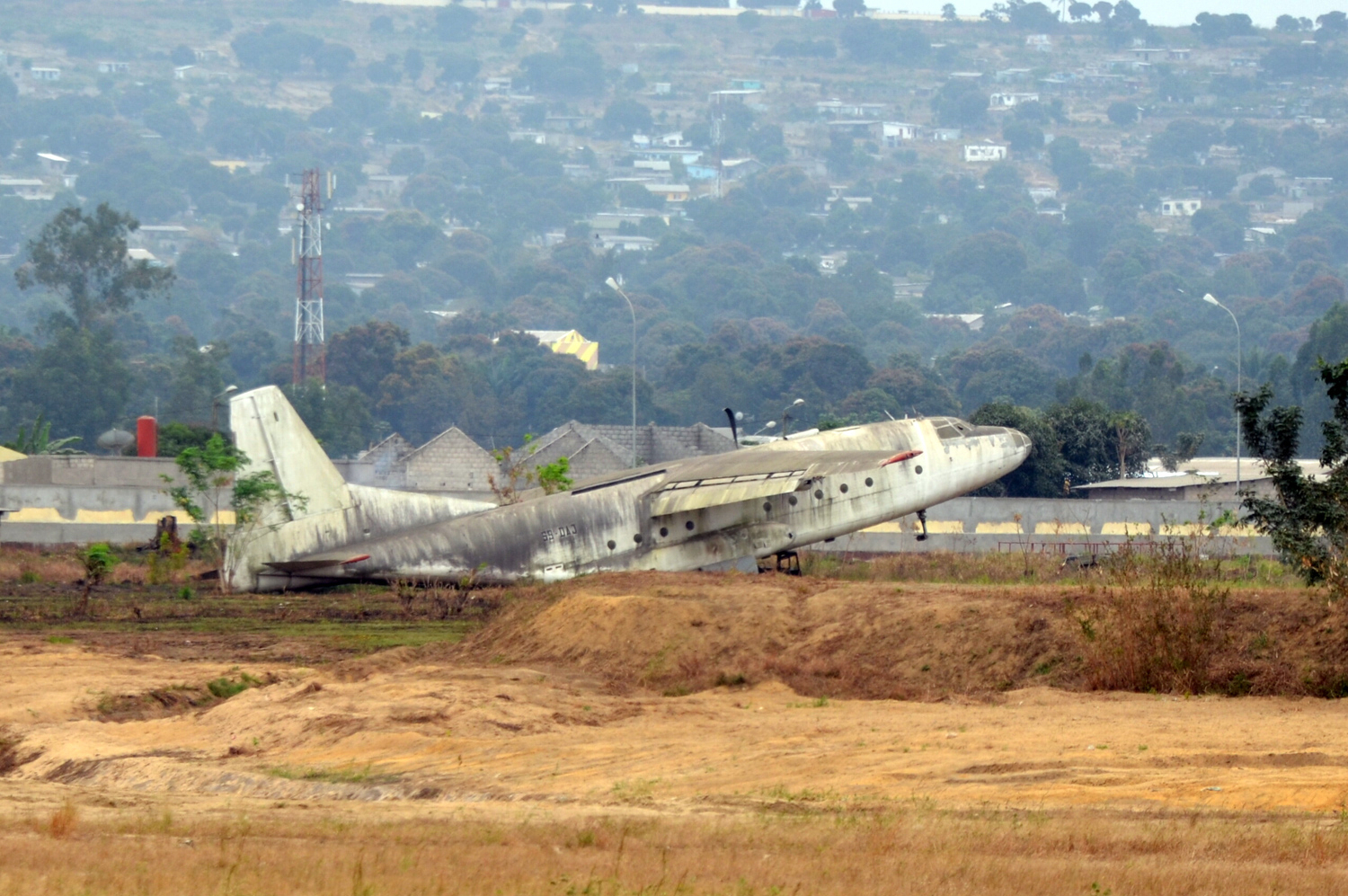
Vitaly Druchenok (CC BY SA), vía commons Aviation history
What "typically Russian" features did the An-8 have?
The An-8 was a Soviet light military transport with a high wing and two turboprops, featuring a glazed nose for the navigator, a chin radome for navigation… more…

RB7MRV (CC BY SA), vía commons Aviation history
Why is the E-25 called "Mirlo"?
Mirlo is the official nickname of the C-101 in Spain. The air force designated it the E.25 Mirlo, "Blackbird" in English, while CASA identified it as the… more…
RB7MRV (CC BY SA), vía commons Aviation history
What did CASA do with the C-101's first flight for safety?
CASA kept it deliberately simple: on 27 June 1977 the P1 only had to check the controls' response, and for extra safety its landing gear was not even… more…
RB7MRV (CC BY SA), vía commons Aviation history
What requirement made the C-101 fly inverted?
Among its requirements, the Aviojet had to be able to remain in inverted flight for 20 s and land at 100 knots (185 km/h). It also had to withstand load… more…

Aviation history
What was the An-2 called before it became an Antonov?
SKh-1. The letters stood for Sel'sko Khozyaystvennyi — pervoy, "agricultural, the first," and corresponded to the first design from Antonov's bureau, later… more…
Aviation history
At what altitude did the weather-research An-4 biplane fly?
Up to 10,000 m: the An-4 — the design-bureau designation for the meteorological An-2ZA, intended for high-altitude weather research — could maintain power up… more…


