Did you know…
At what speed does an Airbus A380 land?
Short answer
An Airbus A380 lands at around 135-145 knots (250-270 km/h) indicated airspeed, a low figure for its size thanks to its 845 m² wing and large flaps. Approach speed varies with weight: near the maximum landing weight of 394 t it's around 140 kn, dropping to 125-130 kn with little fuel on board.

Big but slow on final approach
The A380 approaches the runway at between 135 and 145 knots (250-270 km/h) on most arrivals, a speed comparable to an A320 or a 737 despite weighing several times more. The explanation lies in the wing: with 845 m² of area and a 79.8 m span, the largest of any airliner, it generates enough lift at low speed, and the large-chord flaps, in the FULL setting, lower the stall speed even further. Airbus designed the wing with margin for a future stretched A380 that was never built, so on the A380-800 it ends up relatively oversized.
How it's calculated
For each landing, the crew gets the approach speed (Vapp) from the selectable minimum speed Vls, which depends on the actual weight, plus an increment for wind. Near the maximum landing weight of 394 t, the A380's Vapp is around 140 kn; at the end of a fourteen-hour flight from Dubai or Sydney, with little fuel remaining, it can drop to 125-130 kn. The aircraft's flight computers calculate these figures automatically and display them on the primary flight display.
Stopping on the runway
After touchdown, the A380 deploys spoilers, brakes using 16 of the 20 wheels on its main landing gear via carbon brakes, and uses reverse thrust only on the two inboard engines to avoid kicking up debris from the runway edge. With all that, it stops its nearly 400 t in about 2,000 m. Its wake turbulence is the most intense in commercial aviation: controllers require greater separation for aircraft landing behind it, which led ICAO to create a category of its own for it, "Super".
More questions
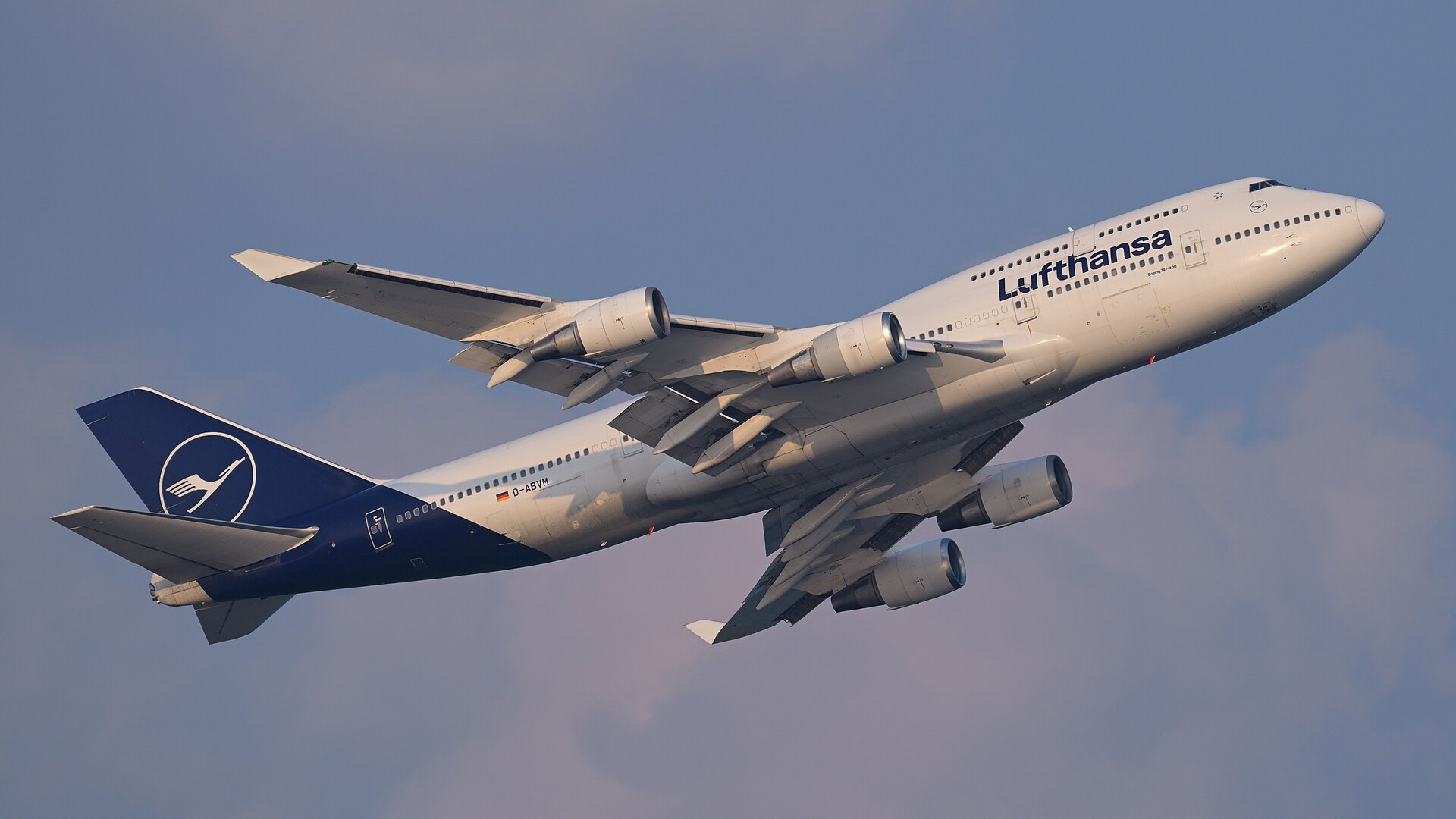
Foto: 4300streetcar (CC BY 4.0) Commercial aviation
Which 747 carried Enterprise "piggyback"?
The first Shuttle Carrier Aircraft was a Boeing 747-123 registered N905NA, originally built for American Airlines and acquired by NASA in 1974. Boeing… more…
Commercial aviation
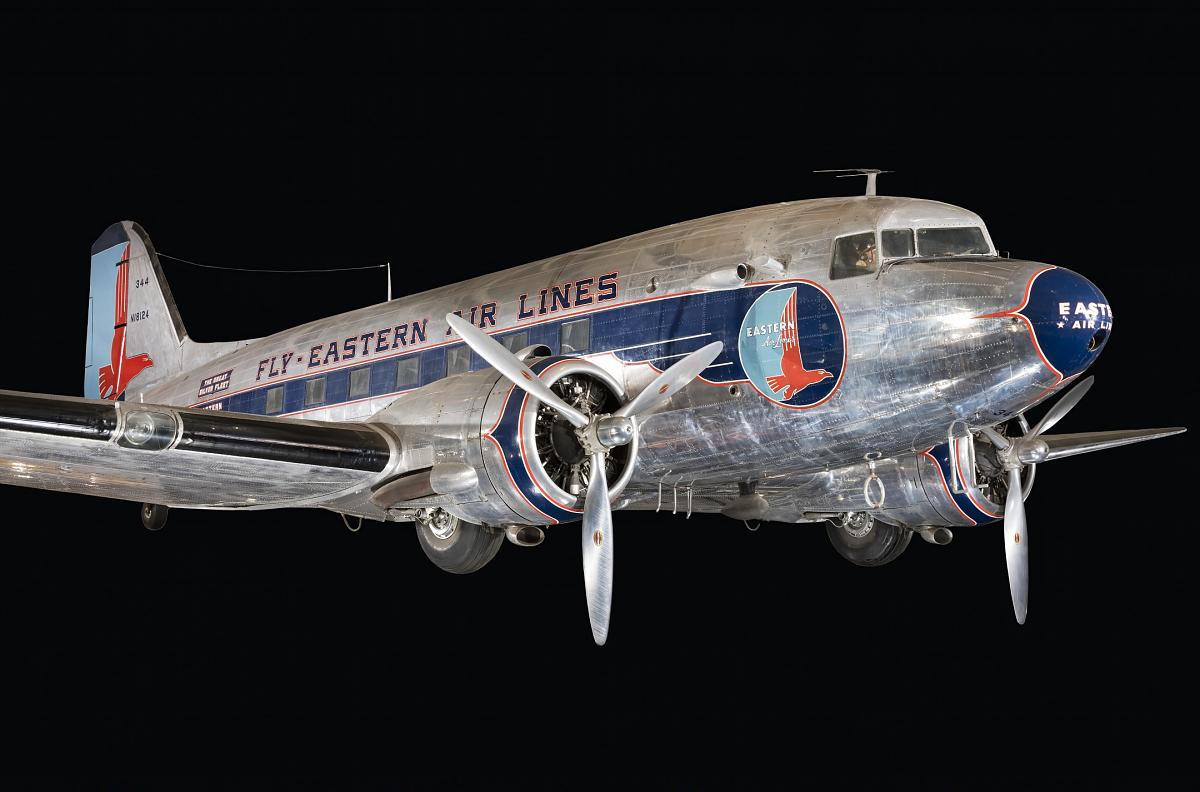
Was there an amphibious DC-3?
Yes: the Douglas XC-47C was created by fitting Edo Model 78 floats onto a standard C-47. The single-step metal floats carried retractable wheels that also… more…
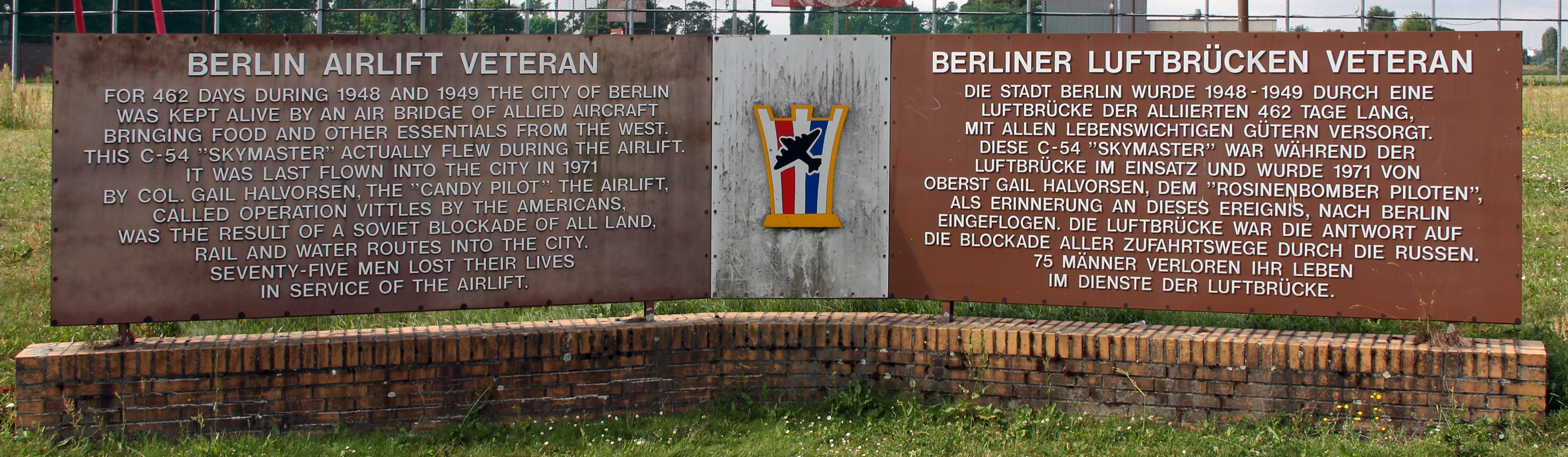
OTFW, Berlin (CC BY SA), vía commons Commercial aviation
Was a C-47 converted into a glider?
Yes: the Douglas XCG-17 was an assault glider created by converting a twin-engine C-47 Skytrain during World War II. Its engines were removed and the nacelles… more…
Commercial aviation
What did the USSR build from the DC-3?
The USSR built a version of the DC-3 under a licence granted to its government on 15 July 1936. It was designated PS-84 and, in 1942, renamed Lisunov Li-2… more…
Commercial aviation
What was "Puff, the Magic Dragon"?
It was the nickname of the Douglas AC-47 Spooky, the first in a series of fixed-wing gunships developed by the United States Air Force during the Vietnam War… more…
Commercial aviation
How did the RAF refer to the C-47?
The RAF called it Dakota: the Dakota I was the designation for 53 C-47s received under Lend-Lease. The Dakota III designated 962 C-47A Skytrains. The Dakota… more…


