Did you know…
Why do airplanes leave a white trail in the sky?
Short answer
Contrails appear when water vapor from the engine exhaust condenses and freezes in very cold air, below about −40 °C, which usually happens above 8,000 m (26,000 ft). If the air is also saturated with ice, the trail persists and widens; if it's dry, it dissipates within seconds.

What's in the exhaust
A jet engine burns kerosene and produces, among other gases, carbon dioxide and water vapor, along with soot particles. As it leaves the nozzle, that jet at several hundred degrees mixes with the surrounding air. If the outside air is cold and humid enough, the mixture reaches saturation: the vapor condenses onto the particles and, since the temperature is well below zero, freezes into ice crystals. That is a condensation trail, or contrail — the same mechanism behind the breath we exhale in winter.
When it forms
The condition is described by the Schmidt-Appleman criterion, formulated in the mid-20th century: it depends on temperature, humidity and air pressure, as well as engine efficiency. In practice it is met below about −40 °C, which at mid latitudes sets the threshold between 8,000 and 12,000 m (26,000 to 39,000 ft), the usual cruise altitude. That's why a propeller plane at 3,000 m leaves no trail while a jet does, and why two aircraft at the same altitude can behave differently if they cross air layers with different humidity.
Why some persist and others don't
If the air is dry, the crystals sublimate within seconds and the trail measures a few hundred meters. If the air is supersaturated with respect to ice, the crystals grow, the trail widens over hours and can end up turning into a cirrus cloud indistinguishable from a natural one. These persistent trails trap infrared radiation, and several studies attribute a significant share of aviation's climate impact to them, which is why rerouting flights away from the air layers that favor them is being tested.
More questions
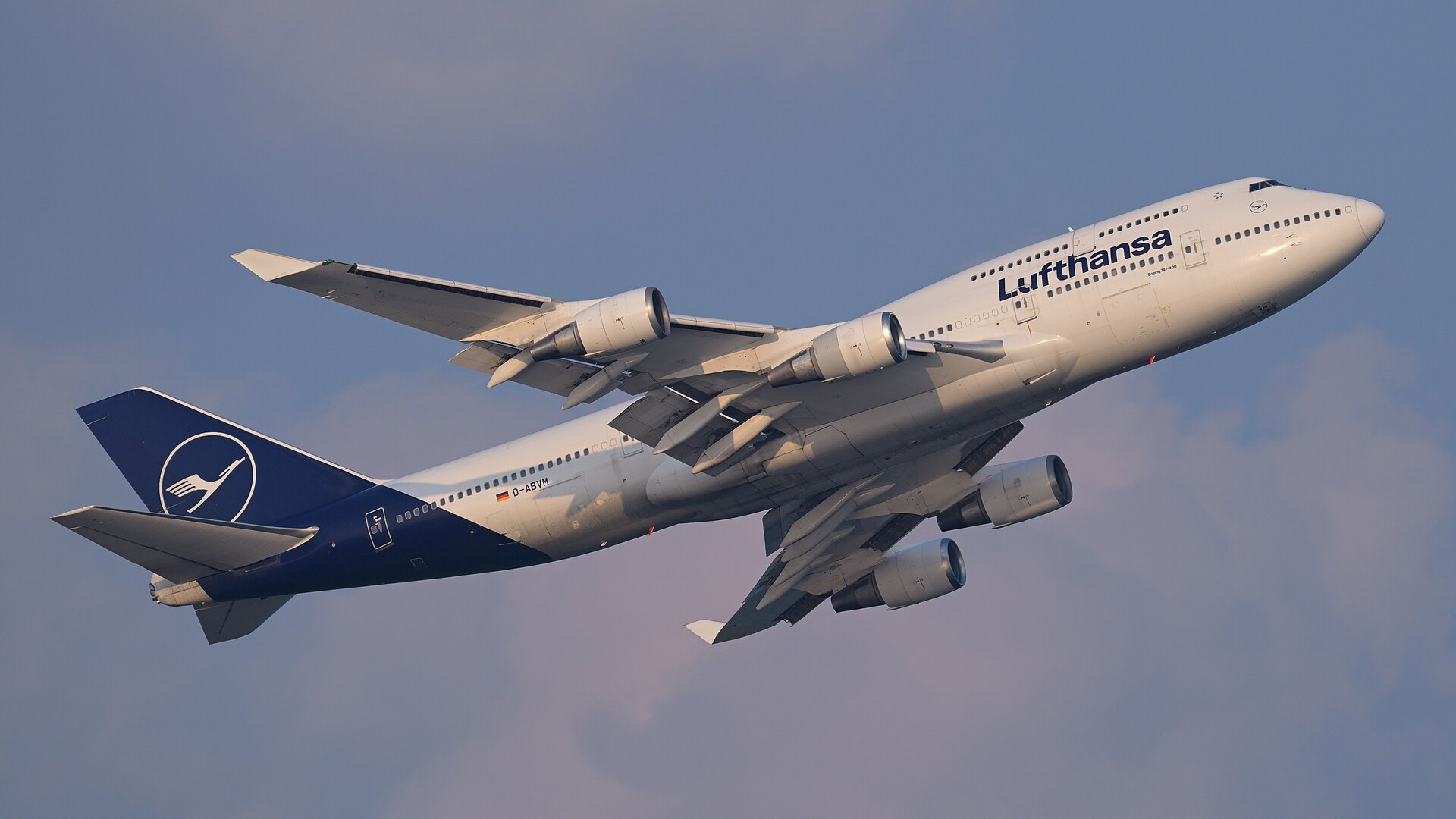
Foto: 4300streetcar (CC BY 4.0) Commercial aviation
Which 747 carried Enterprise "piggyback"?
The first Shuttle Carrier Aircraft was a Boeing 747-123 registered N905NA, originally built for American Airlines and acquired by NASA in 1974. Boeing… more…
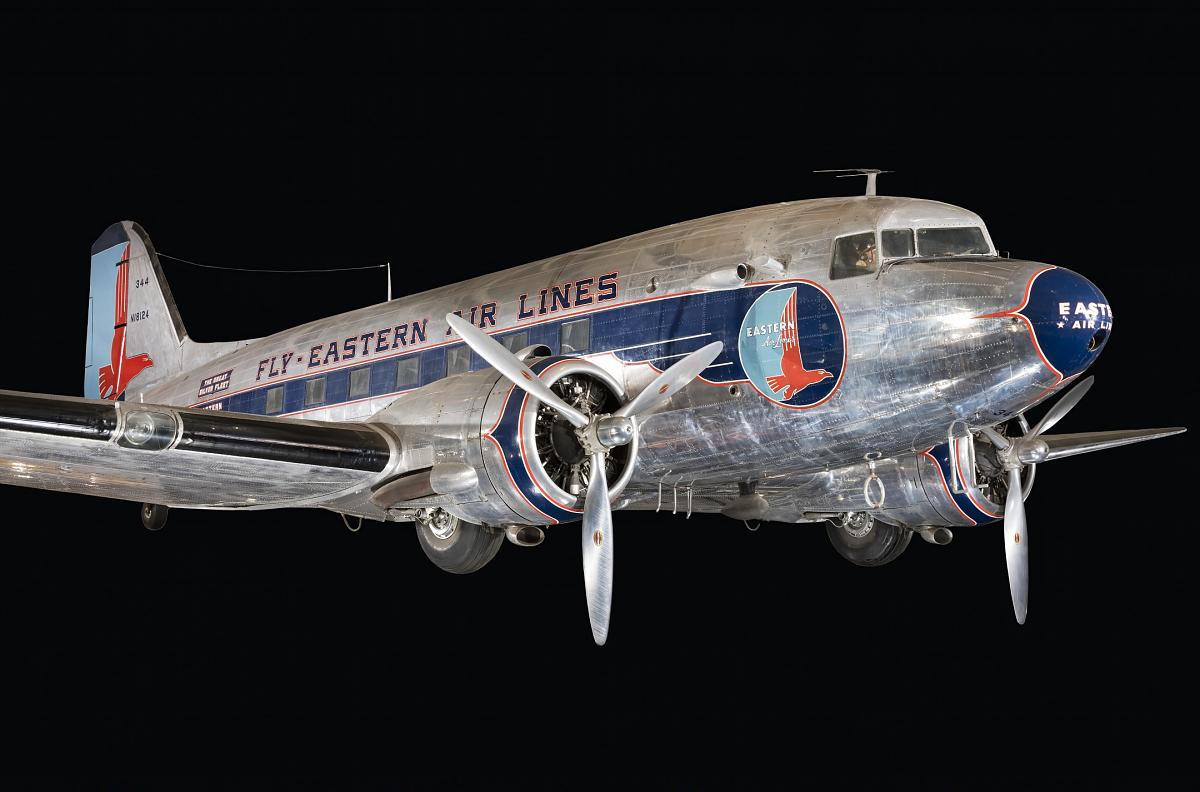
Commercial aviation
Was there an amphibious DC-3?
Yes: the Douglas XC-47C was created by fitting Edo Model 78 floats onto a standard C-47. The single-step metal floats carried retractable wheels that also… more…
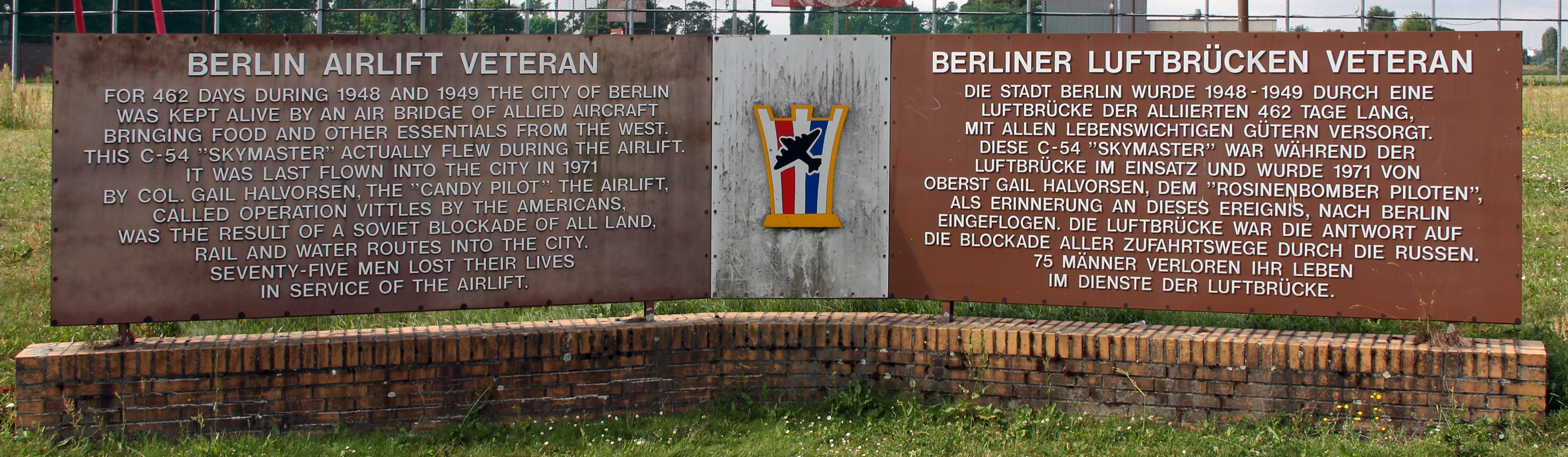
OTFW, Berlin (CC BY SA), vía commons Commercial aviation
Was a C-47 converted into a glider?
Yes: the Douglas XCG-17 was an assault glider created by converting a twin-engine C-47 Skytrain during World War II. Its engines were removed and the nacelles… more…
Commercial aviation
What did the USSR build from the DC-3?
The USSR built a version of the DC-3 under a licence granted to its government on 15 July 1936. It was designated PS-84 and, in 1942, renamed Lisunov Li-2… more…
Commercial aviation
What was "Puff, the Magic Dragon"?
It was the nickname of the Douglas AC-47 Spooky, the first in a series of fixed-wing gunships developed by the United States Air Force during the Vietnam War… more…
Commercial aviation
How did the RAF refer to the C-47?
The RAF called it Dakota: the Dakota I was the designation for 53 C-47s received under Lend-Lease. The Dakota III designated 962 C-47A Skytrains. The Dakota… more…


