Did you know…
Who discovered the Moon?
Short answer
No one: the Moon was never discovered, because it is visible to the naked eye and has accompanied humanity since the beginning. What does have an author and a date is its telescopic study: Galileo Galilei observed it from late November 1609 and was the first astronomer to publish telescopic drawings of the Moon, in Sidereus nuncius (1610).
A question with no discoverer
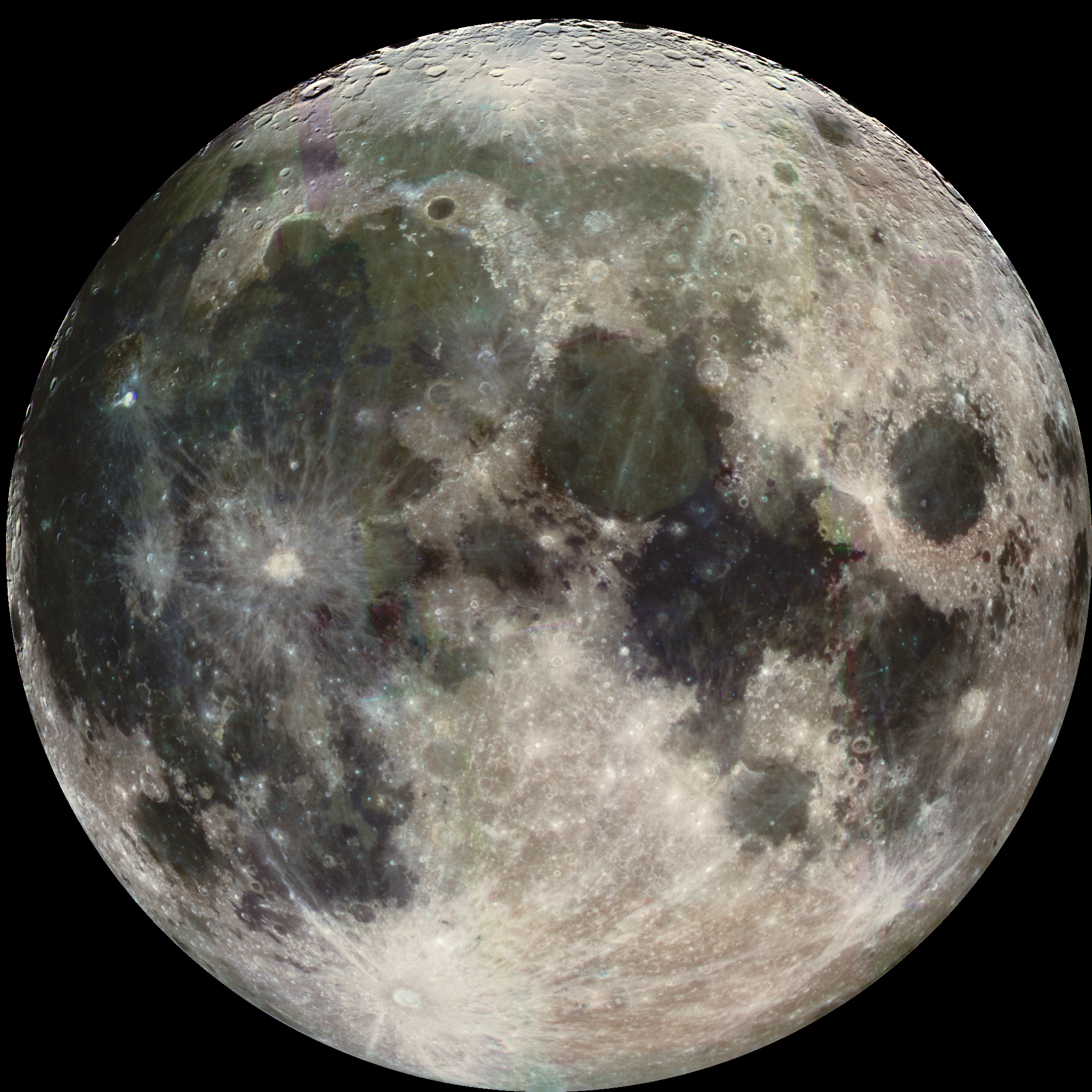
The Moon has no discoverer because it was never hidden. It is the brightest object in the sky after the Sun, changes appearance every night, and marks the cycles that have governed calendars, planting, and tides since long before writing existed. Any attribution to a specific person is therefore false: prehistoric peoples already observed it closely enough to count its phases. What does have an author, a date, and a document is the moment the Moon stopped being a disk and became a place.
1609: the Moon stops being smooth
Galileo Galilei pointed his telescope at the satellite in late November 1609 and drew what he saw. He was neither the only one nor necessarily the first to look at the Moon through a spyglass, but he was the first astronomer to publish lunar drawings made from telescopic observations: they appeared in Sidereus nuncius, the short book he printed in 1610, with copper engravings of the Moon in four different phases. What those plates showed was devastating for the physics of his time: mountains, valleys, and craters, a rough and uneven surface instead of the perfect, unchanging sphere demanded by Aristotelian cosmology.
From drawings to maps
Selenography was born from this and advanced quickly. Johannes Hevelius began observing in 1643 and published his work in 1647; Robert Hooke published his own lunar observations in 1665; and in 1679 Giovanni Cassini presented the first proper map of the Moon. Over the course of the 17th century, the satellite went from being a symbol to being a territory with named features and coordinates, the same framework that, three centuries later, made it possible to choose a specific spot in the Sea of Tranquility to land a lunar module.
More questions
Moon and Mars
How does neil armstrong look like?
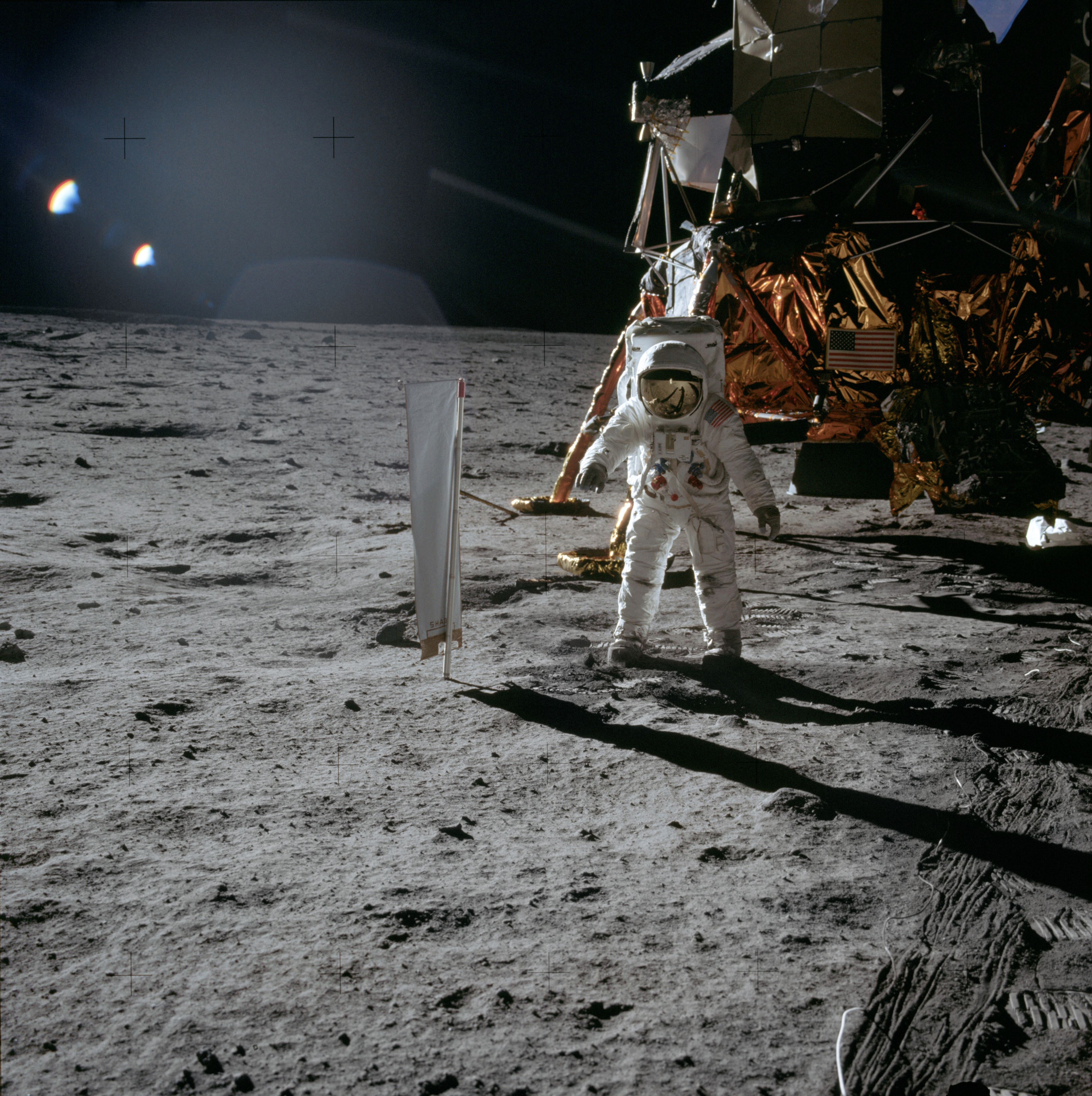
The face most people picture is not his: the gold-visored astronaut in the famous Apollo 11 photograph is Buzz Aldrin, shot by Armstrong. Armstrong himself is… more…

Richard Dorrell (CC BY SA), vía commons Moon and Mars
How does the moon affect the tides?
By pulling unevenly on it. Tidal forces vary inversely as the cube of the distance, so the near side of the Earth is tugged harder than the far side: one… more…
Moon and Mars
Why does neil armstrong have a hollywood star?
Strictly he does not have a star. Armstrong, Aldrin and Collins share four circular monuments resembling the Moon, one at each corner of Hollywood and Vine… more…
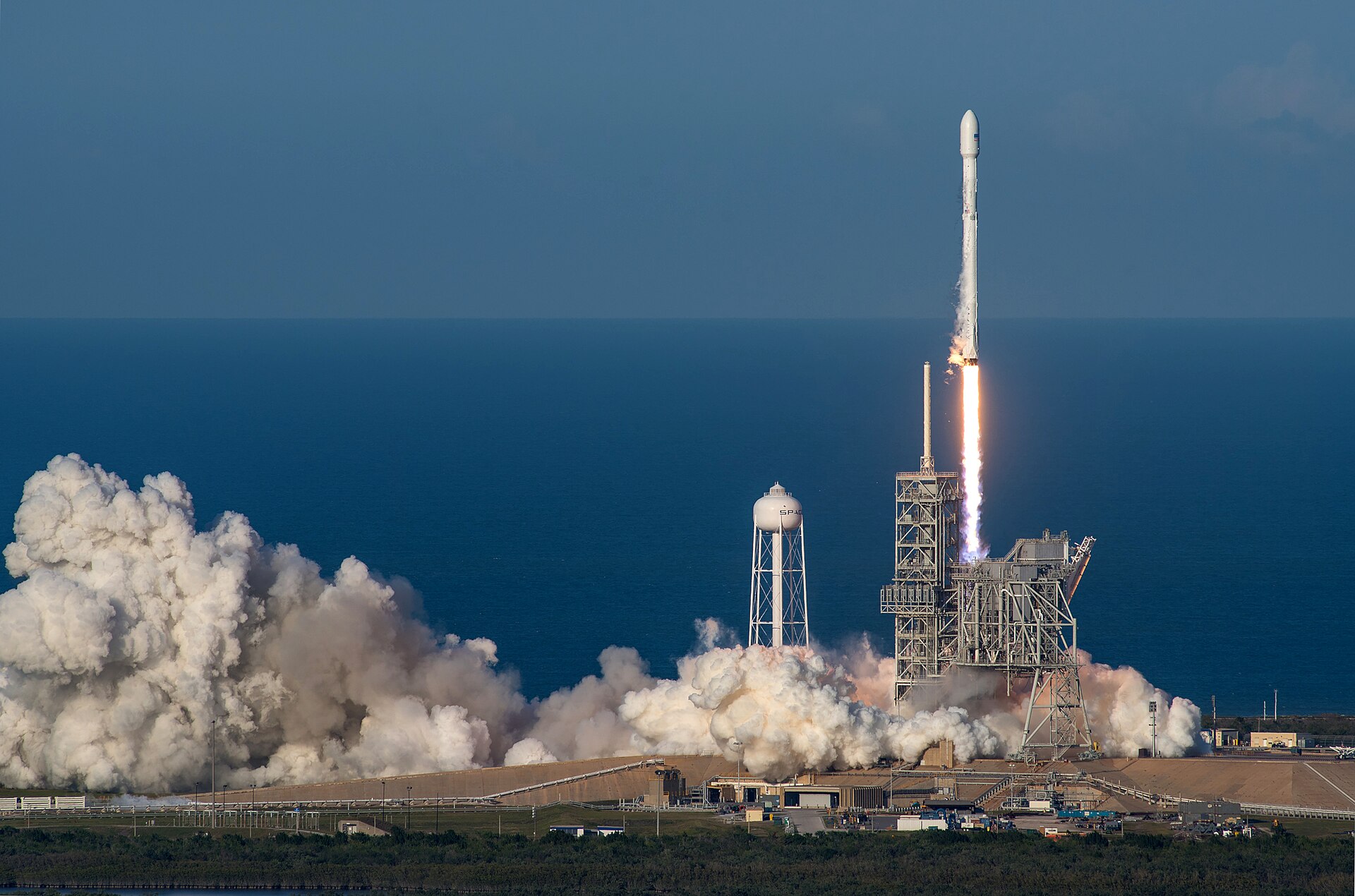
Foto: SpaceX (CC0) Moon and Mars
Why did falcon 9 hit the moon?
Because a spent upper stage on a lunar trajectory has no mission and no way to steer. A Falcon 9 upper stage from the January 2025 Firefly Blue Ghost 1 launch… more…
Moon and Mars
How much apollo 11 cost?
NASA never published a price for Apollo 11 on its own; what is documented is the program. The United States spent $25.8 billion on Project Apollo between 1960… more…
Moon and Mars
How much time neil armstrong spent on moon?
Armstrong and Aldrin spent 21 hours, 36 minutes on the Moon's surface, almost all of it inside the lunar module Eagle. Armstrong stepped onto the surface… more…

