Did you know…
Who oversees airlines in Colombia?
Short answer
In Colombia, the authority overseeing airlines is Aeronáutica Civil (Aerocivil), the Special Administrative Unit attached to the Ministry of Transport. It grants and reviews operating licenses, oversees operational safety, and regulates fares and passenger rights in the country's air transport.

An agency with very broad powers
Colombia's Aeronáutica Civil, known as Aerocivil, is a special administrative unit with technical autonomy attached to the Ministry of Transport. It combines functions that in other countries are split among several agencies: it certifies airlines and their technical personnel, oversees aircraft maintenance, provides air navigation services in Colombian airspace, and manages most of the country's airports, including major ones such as El Dorado in Bogotá.
Operational safety and passenger rights
Beyond technical oversight, Aerocivil regulates commercial aspects of air transport through the Colombian Aeronautical Regulations: ticket sale conditions, overbooking, compensation for cancellations or delays, and airline advertising — functions that in other countries fall to consumer protection bodies. The agency also answers to ICAO, the UN agency based in Montreal whose safety standards Colombia must apply.
The international aviation safety category
A key concern for Aerocivil is the rating the US FAA assigns to foreign aviation authorities under its IASA program: maintaining Category 1 certifies that national oversight meets ICAO standards and allows the country's airlines to fly to the United States and expand their routes there. A downgrade to Category 2 freezes new routes and limits codeshare agreements, as several countries in the region have experienced, so sustaining that level of compliance absorbs a significant share of Colombia's regulatory effort.
More questions
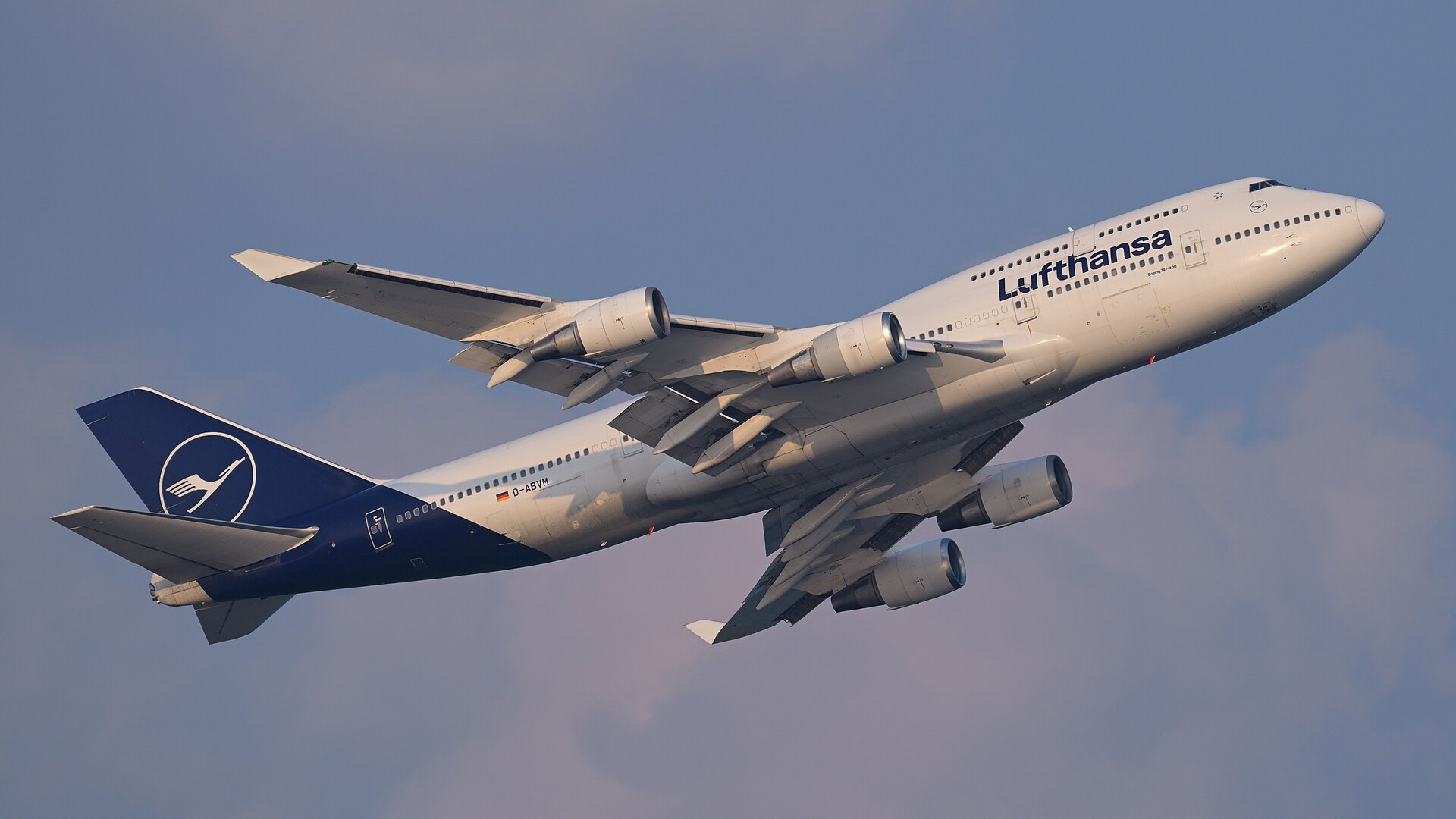
Foto: 4300streetcar (CC BY 4.0) Commercial aviation
Which 747 carried Enterprise "piggyback"?
The first Shuttle Carrier Aircraft was a Boeing 747-123 registered N905NA, originally built for American Airlines and acquired by NASA in 1974. Boeing… more…
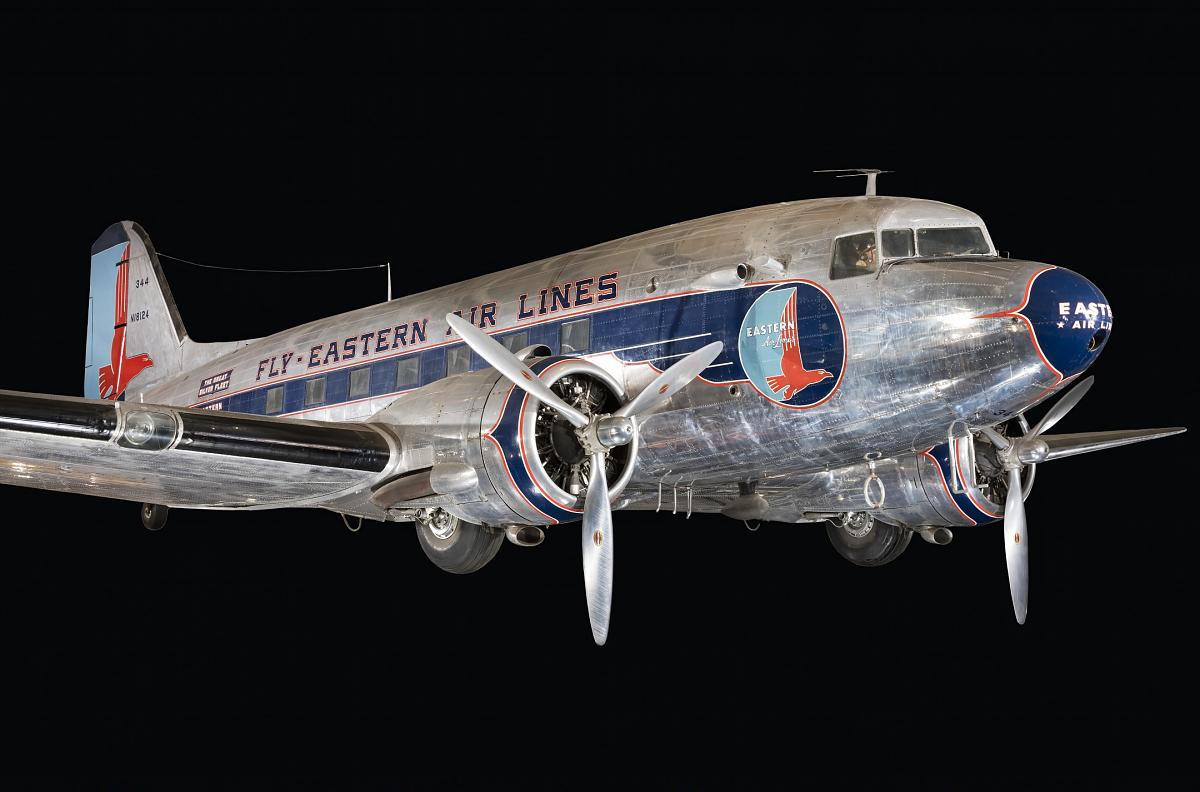
Commercial aviation
Was there an amphibious DC-3?
Yes: the Douglas XC-47C was created by fitting Edo Model 78 floats onto a standard C-47. The single-step metal floats carried retractable wheels that also… more…
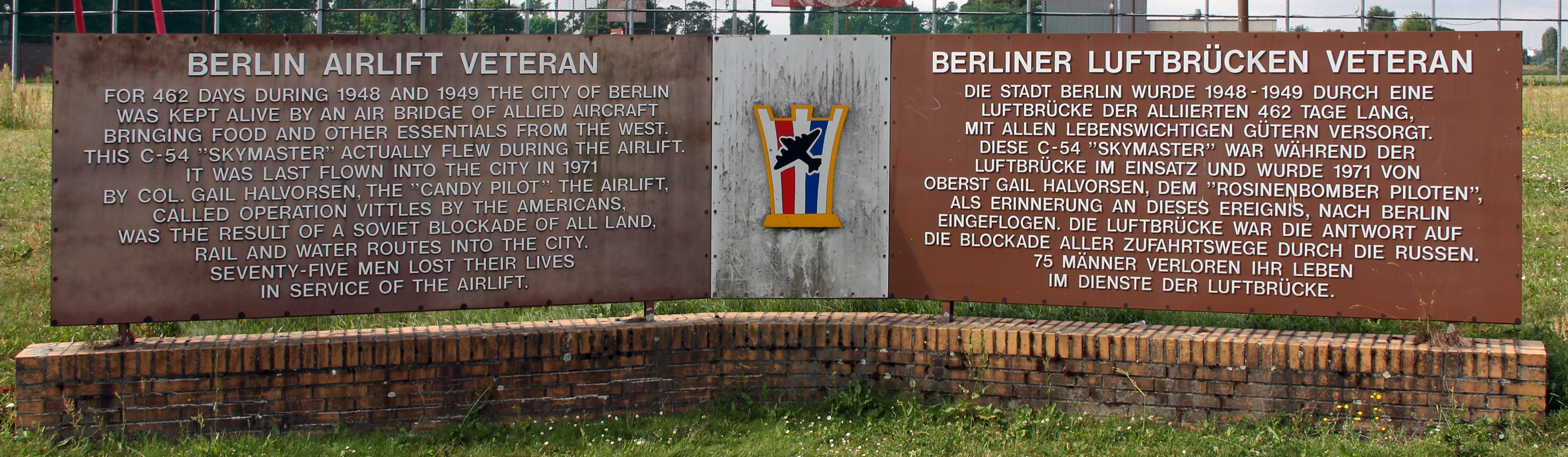
OTFW, Berlin (CC BY SA), vía commons Commercial aviation
Was a C-47 converted into a glider?
Yes: the Douglas XCG-17 was an assault glider created by converting a twin-engine C-47 Skytrain during World War II. Its engines were removed and the nacelles… more…
Commercial aviation
What did the USSR build from the DC-3?
The USSR built a version of the DC-3 under a licence granted to its government on 15 July 1936. It was designated PS-84 and, in 1942, renamed Lisunov Li-2… more…
Commercial aviation
What was "Puff, the Magic Dragon"?
It was the nickname of the Douglas AC-47 Spooky, the first in a series of fixed-wing gunships developed by the United States Air Force during the Vietnam War… more…
Commercial aviation
How did the RAF refer to the C-47?
The RAF called it Dakota: the Dakota I was the designation for 53 C-47s received under Lend-Lease. The Dakota III designated 962 C-47A Skytrains. The Dakota… more…


