Did you know…
What aircraft could be towed by a car?
Short answer
It was the Avia BH-12, not the BH-9: this 1924 Czechoslovak two-seat sport aircraft, the final development of the BH-9 family, had a redesigned wing that could fold to allow the aircraft to be towed by road. The wing pivoted on its spar and lay flat against the sides of the fuselage.

The wing that folded against the fuselage
The Avia BH-12 was a two-seat sport aircraft built in Czechoslovakia in 1924 and the final development of the Avia BH-9 family, whose roots lay in Avia's first design, the BH-1. It was a braced low-wing monoplane intended for sport flying and carried a redesigned wing that could fold to allow the aircraft to be towed by road. The wing pivoted around its spar and then folded back, flat against the sides of the fuselage. Its empty weight was 320 kg (705 lb) and its maximum speed was 150 km/h (94 mph, 82 kn).
The BH-9 it derived from
The Avia BH-9 was a two-seat sport aircraft built in Czechoslovakia in 1923, based on the BH-5. Like other developments in the BH-1 lineage, it was a braced low-wing monoplane that carried the pilot and passenger in tandem, in open cockpits. The Czechoslovak Army took an interest in it as a trainer and liaison aircraft, and ordered ten examples under the designation B.9.
Races and long-distance flights
A B.9 won the 1925 Coppa d'Italia air race, and the following year one flew a 1,800 km (1,100 mi) Prague-Paris-Prague circuit at an average speed of 131.2 km/h (82 mph).
More questions
Aviation history
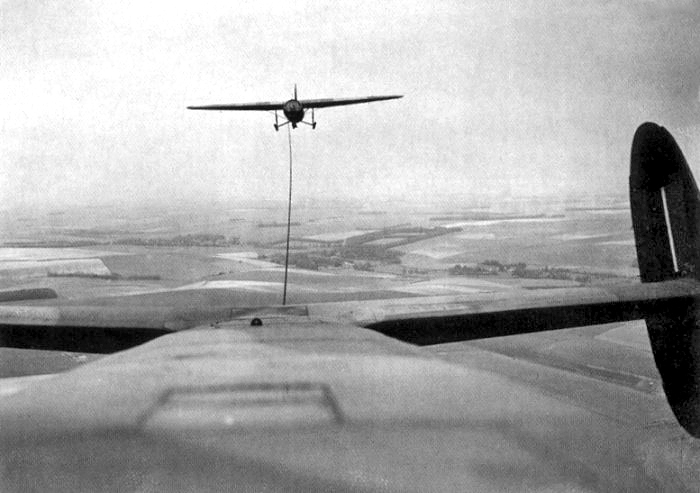
How many Albemarles were cancelled?
Of the Albemarle, 478 aircraft from the second production batch were cancelled, out of original orders for 1,080 planes. On top of that came the Soviet… more…
ZemplinTemplar (CC BY SA), vía commons Aviation history
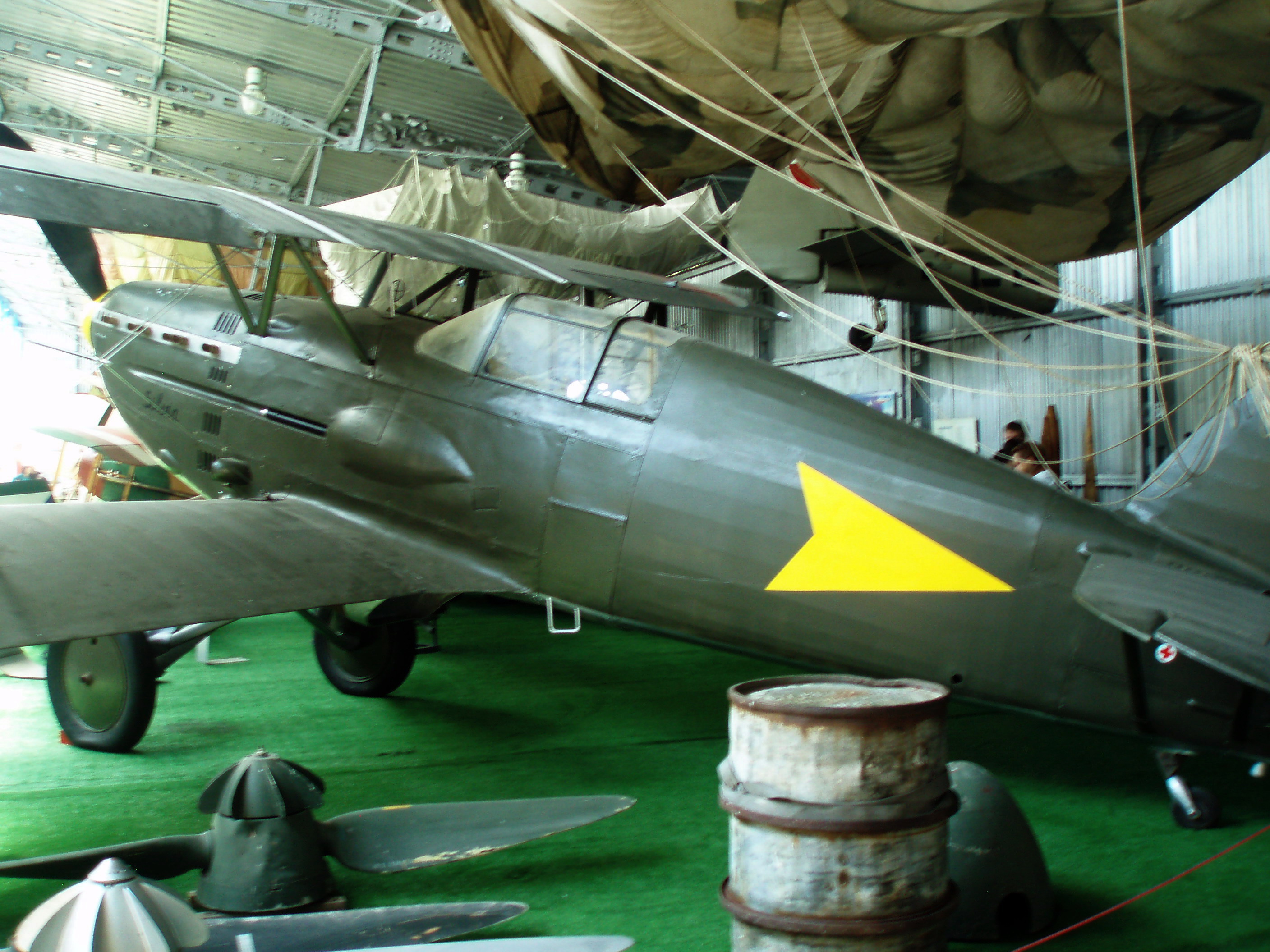
How many Avia B.534s were built?
Avia B-534 production amounted to 568 examples completed by 1939. Deliveries to the Czechoslovak Air Force began in October 1935; in 1937 a batch of fourteen… more…
Aviation history
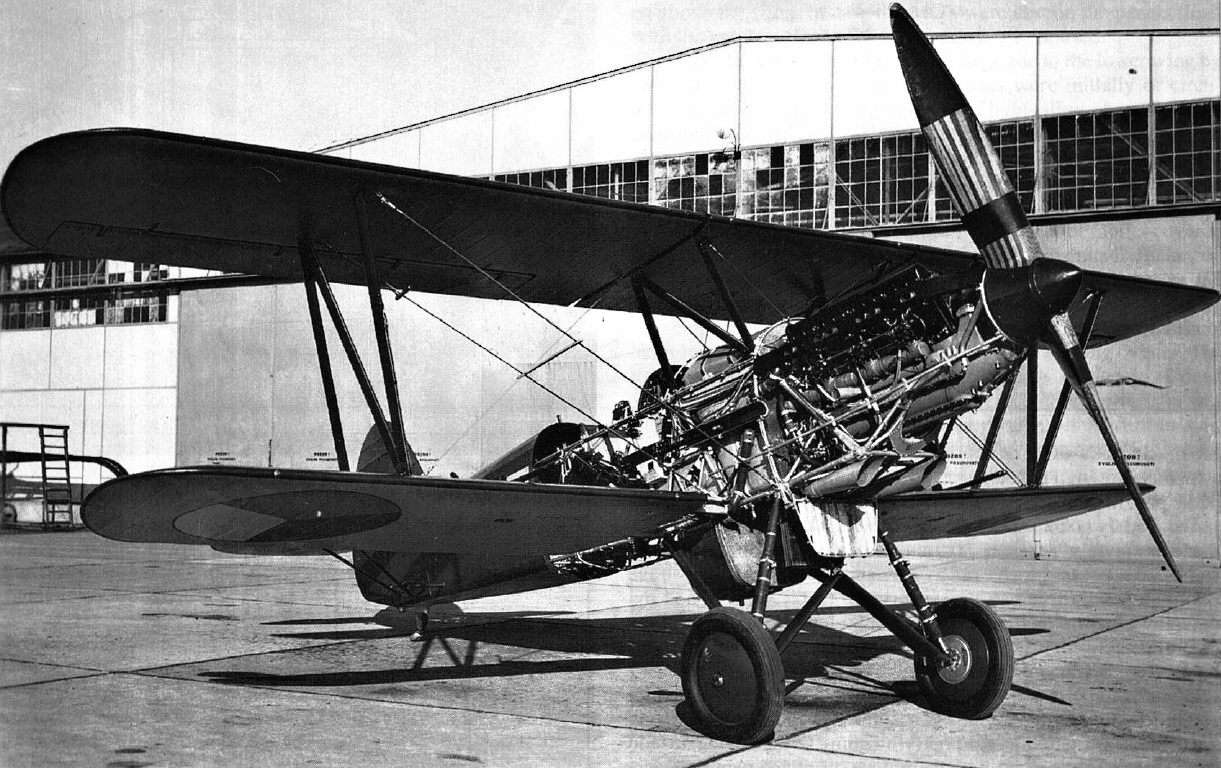
What Czech aircraft was tested for the aircraft carrier Graf Zeppelin?
The Avia Bk-534: three aircraft were modified to serve aboard the German aircraft carrier Graf Zeppelin, a ship that was never completed. They were fitted… more…

Benjamint444 (CC BY SA), vía commons Aviation history
Who designed the P.19 Scricciolo?
The Scricciolo was designed at the Politecnico di Milano's Centro Volo a Vela to compete in an Aero Club d'Italia contest for a light civil trainer. The CVV… more…
Aviation history
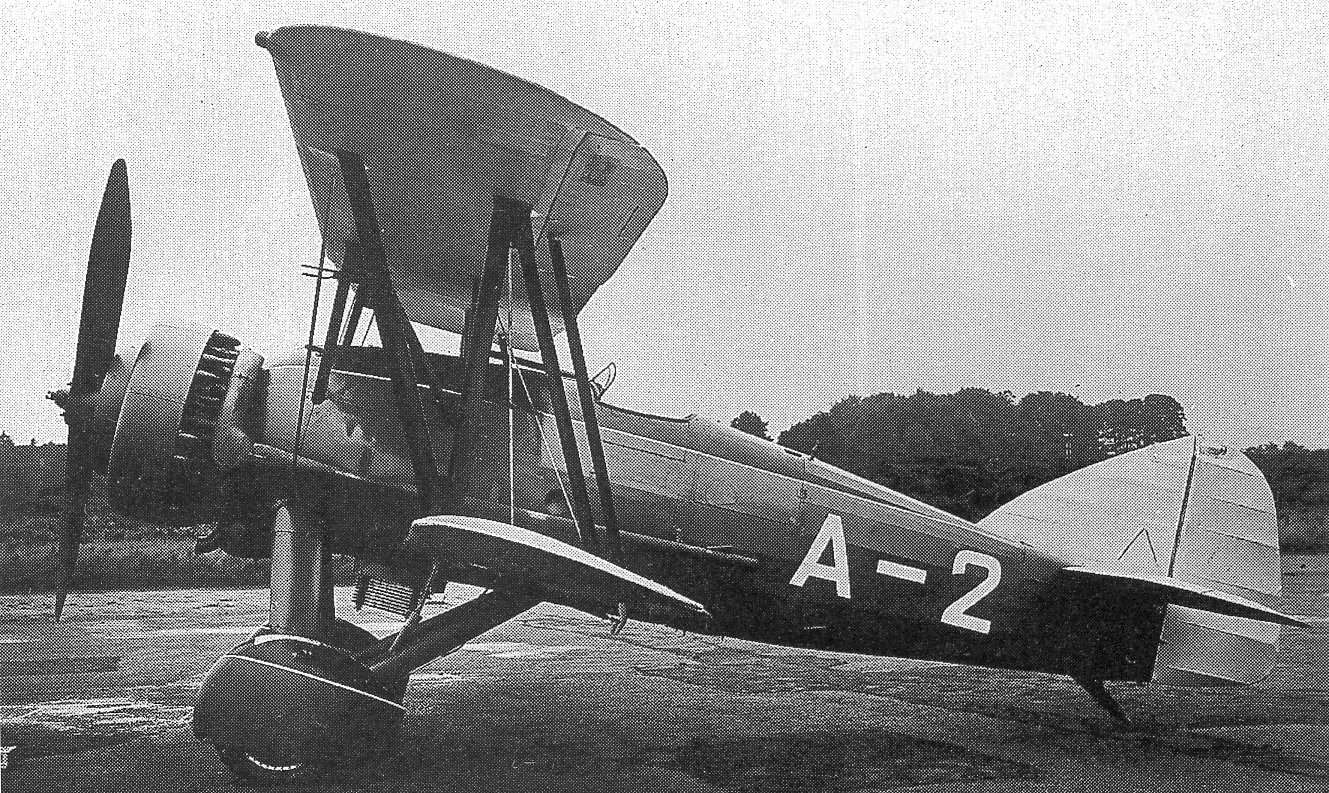
Which country received the Scimitars?
Norway: four A.W.35 Scimitars were ordered for the Norwegian Army Air Service, with a licence production agreement at Kjeller. All four aircraft were… more…
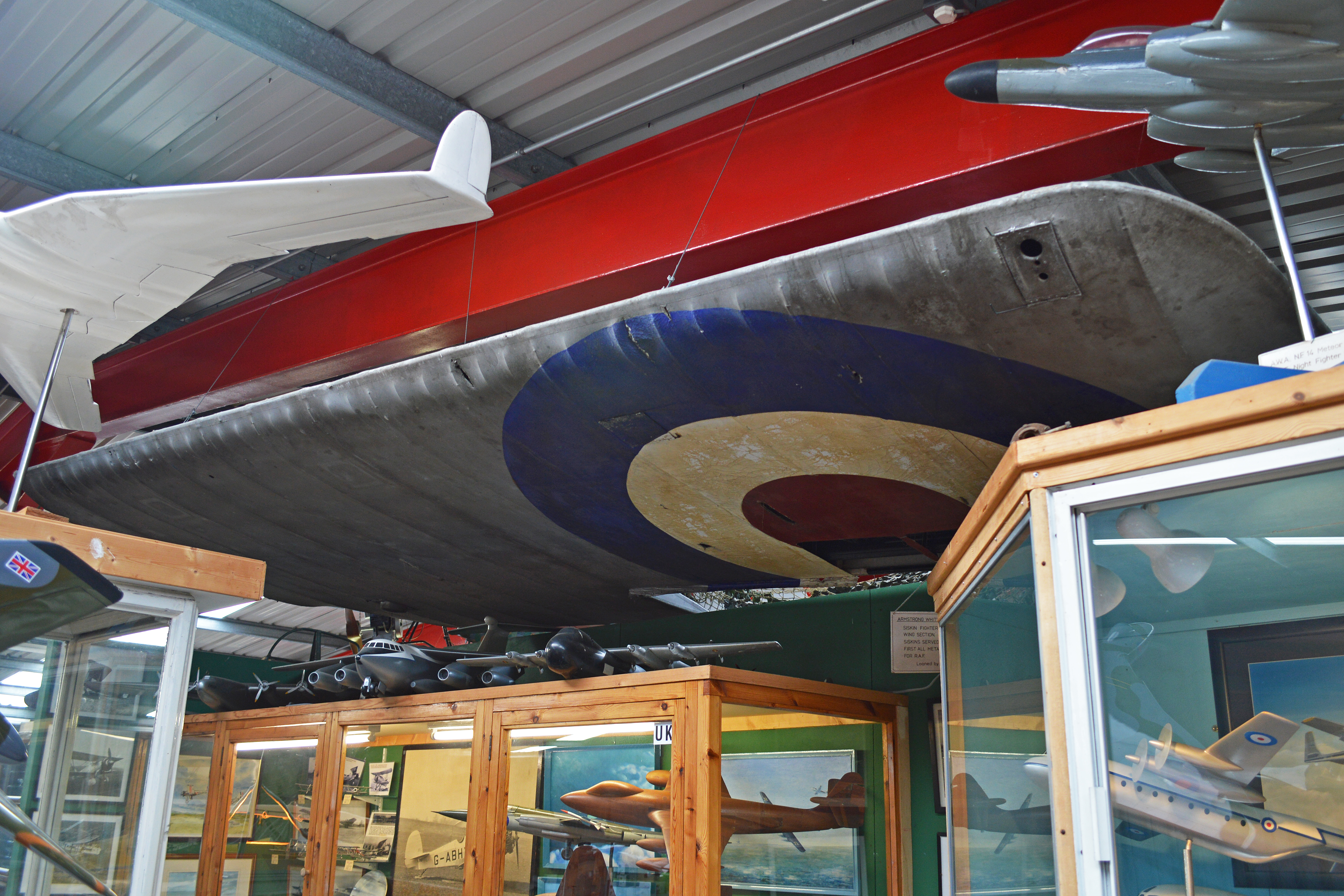
Alan Wilson from Stilton, Peterborough, Cambs, UK (CC BY SA), vía commons Aviation history
Why was the Siskin notable in the RAF?
It was the first all-metal fighter operated by the RAF and one of the first new fighters to enter service after the end of World War I. The first Siskin IIIs… more…


