Did you know…
Why is the airbus a380 being retired?
Short answer
Airbus stopped building the A380 for lack of orders: in February 2019, after Emirates cut its order from 162 to 123 units, Airbus announced the end of the programme. Airlines preferred twin-engine jets like the A350 or 787, cheaper to operate and suited to direct routes. The last of the 251 A380s was delivered to Emirates in December 2021.

A plane built for another market
When Airbus launched the A380 in 2000, the forecast was that air traffic would concentrate in large, congested hub airports, where a plane with more than 500 seats would allow more passengers to be moved per time slot. The market evolved in the opposite direction: long-range twin-engine aircraft, such as the Boeing 777 and 787 or Airbus's own A350, opened direct routes between secondary cities with less commercial risk, and airlines no longer needed a giant four-engine jet to connect their hubs.
Dependence on Emirates
For years the programme lived off a single customer. Emirates ordered as many as 162 units and accounted for nearly half of all A380s built. Other airlines bought small numbers, and several, such as Air France or Lufthansa, retired aircraft earlier than planned. When in February 2019 Emirates cut its order to 123 aircraft and replaced the rest with A330neo and A350 jets, Airbus no longer had enough backlog to keep the Toulouse assembly line running and announced the end of the programme.
Costs and closure
Each A380 required four engines, adapted airport infrastructure and a high load factor to be profitable, while modern twin-engine jets consumed considerably less per seat. Airbus never recovered the investment estimated for its development. The last unit, number 251, was delivered to Emirates in December 2021. The pandemic accelerated retirements, but the subsequent recovery in traffic has returned many stored A380s to service, and they continue flying with Emirates, British Airways, Qantas, Singapore Airlines and Lufthansa.
More questions
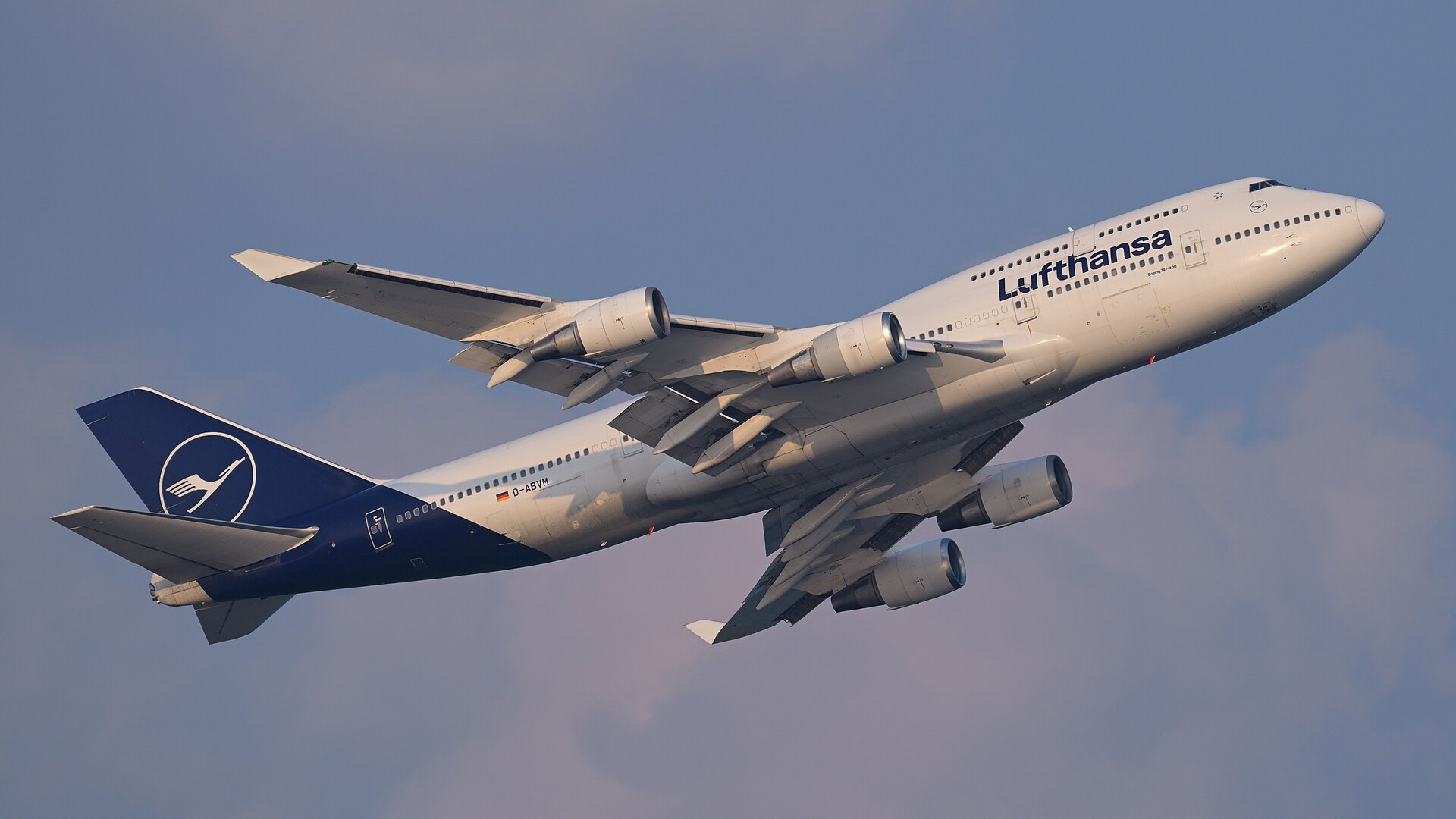
Foto: 4300streetcar (CC BY 4.0) Commercial aviation
Which 747 carried Enterprise "piggyback"?
The first Shuttle Carrier Aircraft was a Boeing 747-123 registered N905NA, originally built for American Airlines and acquired by NASA in 1974. Boeing… more…
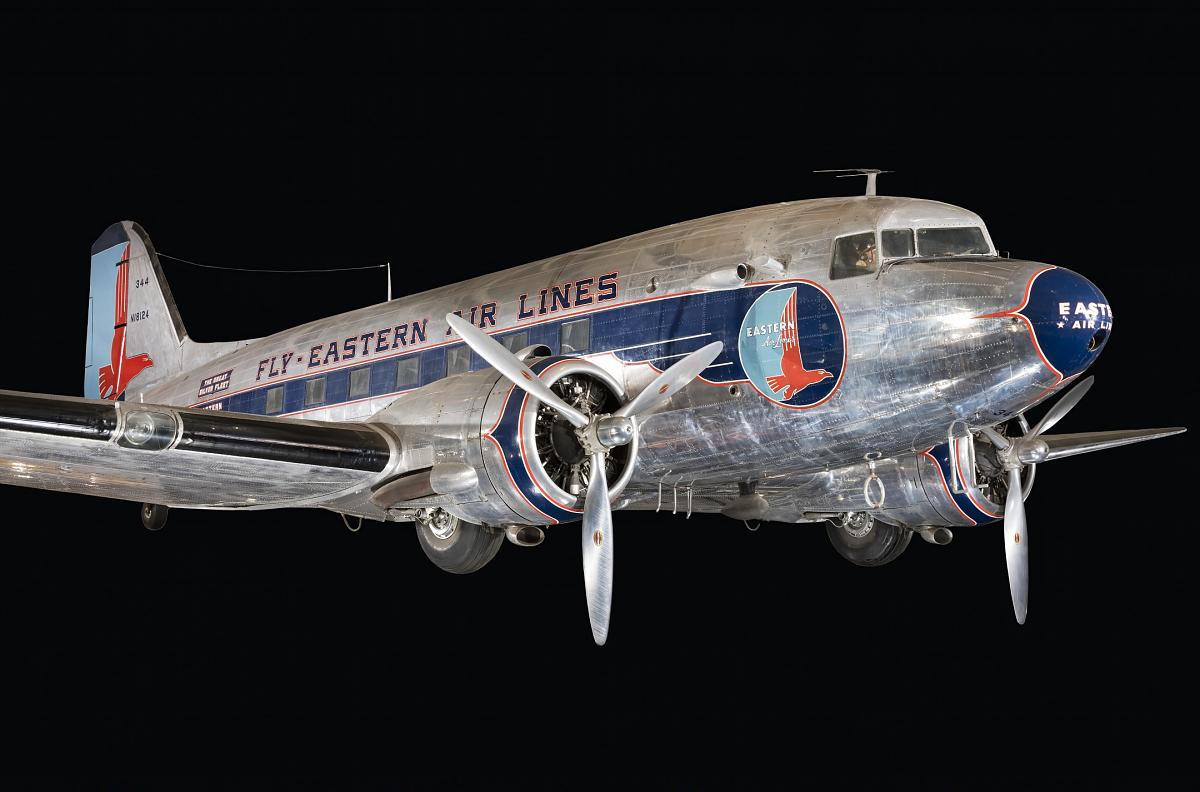
Commercial aviation
Was there an amphibious DC-3?
Yes: the Douglas XC-47C was created by fitting Edo Model 78 floats onto a standard C-47. The single-step metal floats carried retractable wheels that also… more…
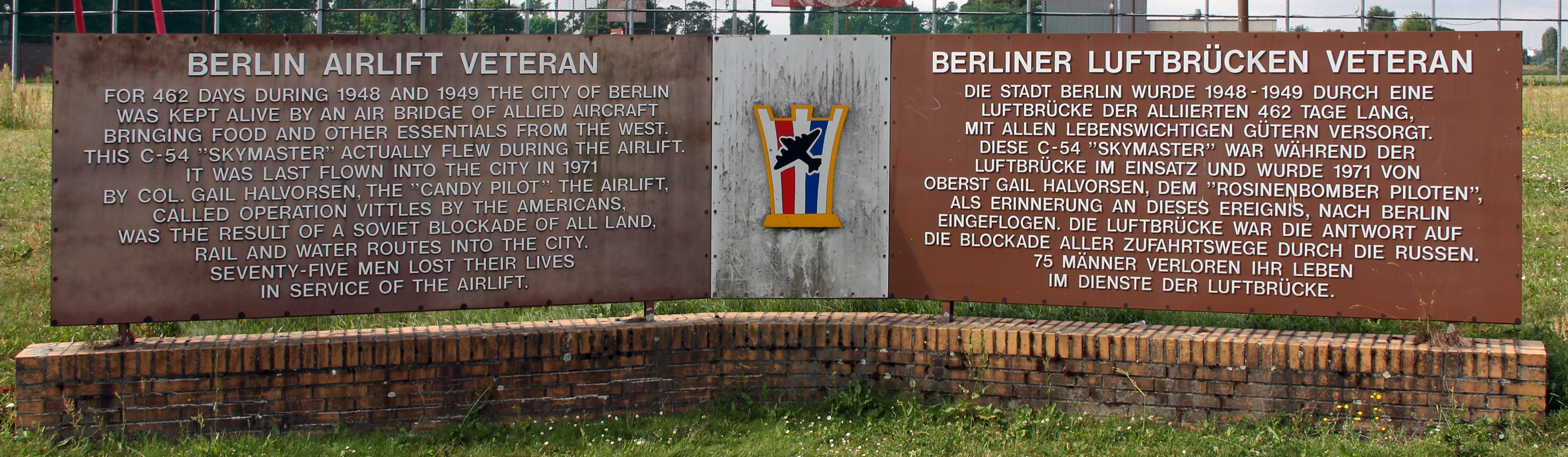
OTFW, Berlin (CC BY SA), vía commons Commercial aviation
Was a C-47 converted into a glider?
Yes: the Douglas XCG-17 was an assault glider created by converting a twin-engine C-47 Skytrain during World War II. Its engines were removed and the nacelles… more…
Commercial aviation
What did the USSR build from the DC-3?
The USSR built a version of the DC-3 under a licence granted to its government on 15 July 1936. It was designated PS-84 and, in 1942, renamed Lisunov Li-2… more…
Commercial aviation
What was "Puff, the Magic Dragon"?
It was the nickname of the Douglas AC-47 Spooky, the first in a series of fixed-wing gunships developed by the United States Air Force during the Vietnam War… more…
Commercial aviation
How did the RAF refer to the C-47?
The RAF called it Dakota: the Dakota I was the designation for 53 C-47s received under Lend-Lease. The Dakota III designated 962 C-47A Skytrains. The Dakota… more…


