Did you know…
Why do airlines overbook flights?
Short answer
Because a predictable share of passengers never turn up. Airlines sell a few more seats than the cabin has, using historical no-show rates by route, fare type and day, so the aircraft departs full rather than with empty seats already paid for. Regulations in the United States and the EU set what they owe anyone bumped.
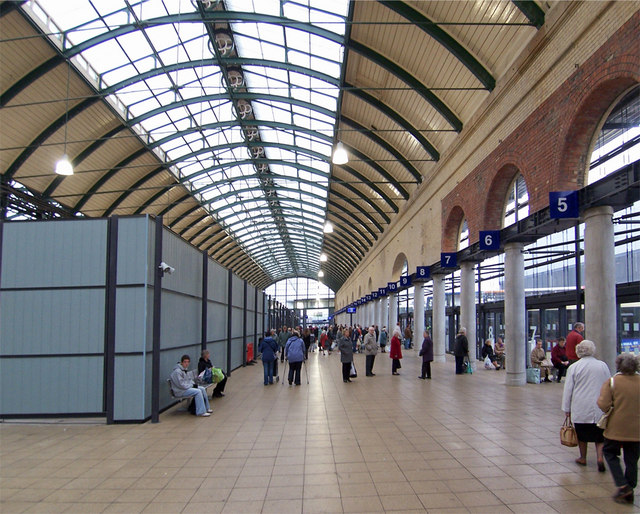
A seat is a perishable good
The moment the doors close, an unoccupied seat is worth nothing for ever. Airlines know from years of data that a measurable share of passengers holding a valid booking never appear at the gate: flexible fares bought by business travellers, connecting passengers caught by a late inbound, people who simply change plans. If the airline sold exactly as many tickets as there are seats, those no-shows would fly as empty rows on an aircraft whose fuel, crew, handling and landing fees are already committed and cannot be recovered.
The forecast behind the number
Overbooking is not a blanket policy but a forecast, run route by route and flight by flight. Revenue management systems model no-show probability against the fare mix, day of the week, time of day, season, how far ahead each ticket was bought and whether the passenger is connecting. A weekday shuttle full of fully flexible tickets may be sold well above capacity; a holiday charter with non-refundable fares and checked bags is often not overbooked at all. The systems are tuned so that involuntary denied boardings stay rare.
When the arithmetic fails
Sometimes everyone turns up, and then the rules matter. In the European Union, Regulation 261/2004 obliges the airline to call for volunteers first and, failing that, to pay a fixed sum to anyone denied boarding against their will: 250 euros on short flights, 400 on medium ones and 600 on long-haul, plus rerouting or a refund and care at the airport. United States oversales rules work instead as a percentage of the fare, doubling or quadrupling it according to the delay, up to a capped amount. Volunteers negotiate, which is why gate agents raise the offer until someone accepts.
More questions
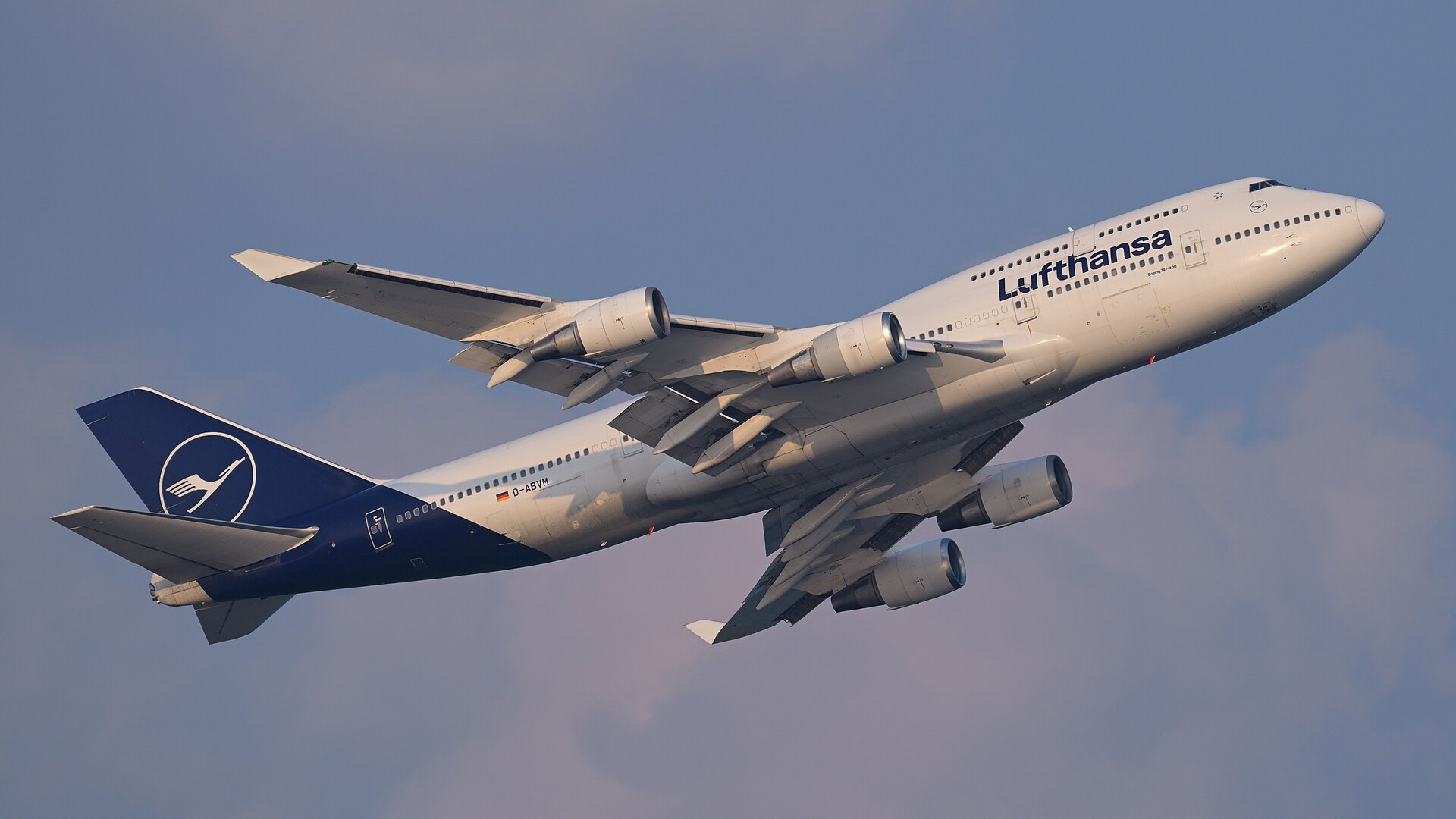
Foto: 4300streetcar (CC BY 4.0) Commercial aviation
Which 747 carried Enterprise "piggyback"?
The first Shuttle Carrier Aircraft was a Boeing 747-123 registered N905NA, originally built for American Airlines and acquired by NASA in 1974. Boeing… more…
Commercial aviation
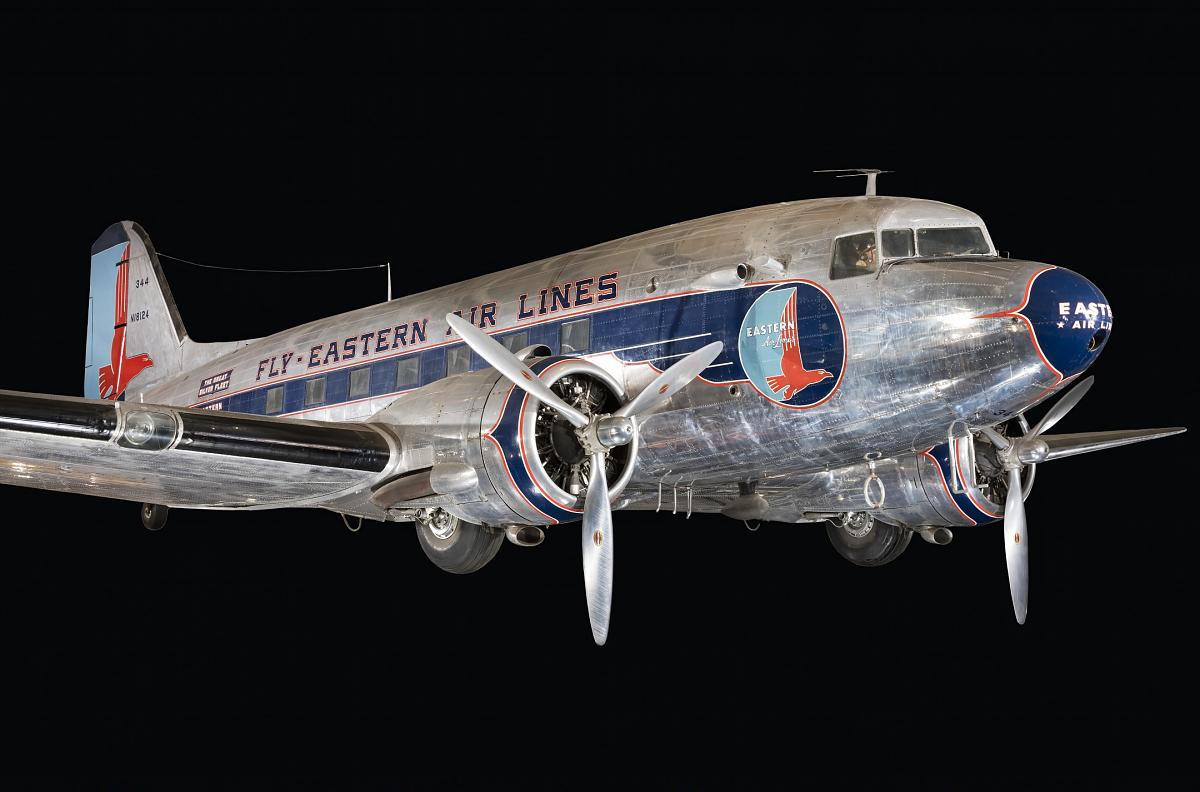
Was there an amphibious DC-3?
Yes: the Douglas XC-47C was created by fitting Edo Model 78 floats onto a standard C-47. The single-step metal floats carried retractable wheels that also… more…
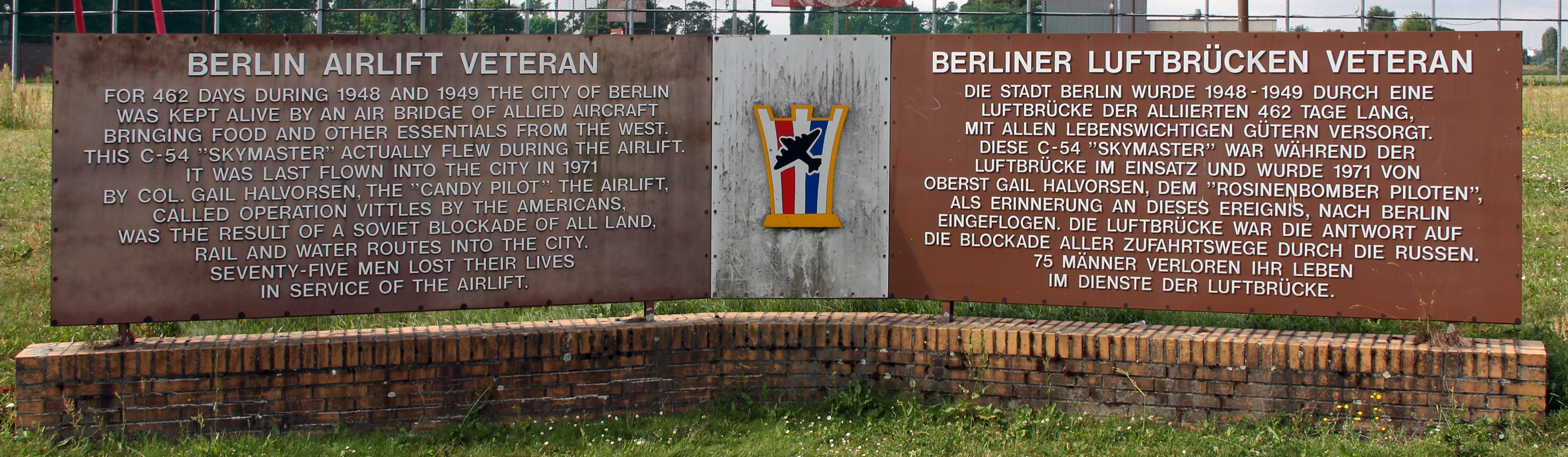
OTFW, Berlin (CC BY SA), vía commons Commercial aviation
Was a C-47 converted into a glider?
Yes: the Douglas XCG-17 was an assault glider created by converting a twin-engine C-47 Skytrain during World War II. Its engines were removed and the nacelles… more…
Commercial aviation
What did the USSR build from the DC-3?
The USSR built a version of the DC-3 under a licence granted to its government on 15 July 1936. It was designated PS-84 and, in 1942, renamed Lisunov Li-2… more…
Commercial aviation
What was "Puff, the Magic Dragon"?
It was the nickname of the Douglas AC-47 Spooky, the first in a series of fixed-wing gunships developed by the United States Air Force during the Vietnam War… more…
Commercial aviation
How did the RAF refer to the C-47?
The RAF called it Dakota: the Dakota I was the designation for 53 C-47s received under Lend-Lease. The Dakota III designated 962 C-47A Skytrains. The Dakota… more…


