Did you know…
What requirement made the C-101 fly inverted?
Short answer
Among its requirements, the Aviojet had to be able to remain in inverted flight for 20 s and land at 100 knots (185 km/h). It also had to withstand load factors ranging from +7.5 to -3.75 g. Its powerplant was the Honeywell TFE731-5-1J turbofan.

Twenty seconds upside down
Among the capabilities required of the Aviojet was the ability to remain in inverted flight for 20 s, as well as being able to land at 100 knots (185 km/h). The airframe also had to withstand load factors ranging from +7.5 to -3.75 g.
The Aviojet's engine
The powerplant selected for the aircraft was the Honeywell TFE731-5-1J turbofan. That engine weighs 327 kg and produces a maximum thrust of 1,587 kg at sea level. Among its strengths was low specific fuel consumption, rated at 0.22 kg per hour per kg of thrust.
Prototypes with underwing loads
The P3 prototype became available on 26 January 1978. Like the P2, it featured six underwing hardpoints to test the military loads required for its mission as a weapons trainer.
More questions

Colin Cooke Photo (CC BY SA), vía commons Aviation history
What was the An-26's bubble window for?
The An-26's bulged windows were observation windows, part of its military equipment alongside folding canvas seats for paratroopers, an overhead hoist and… more…
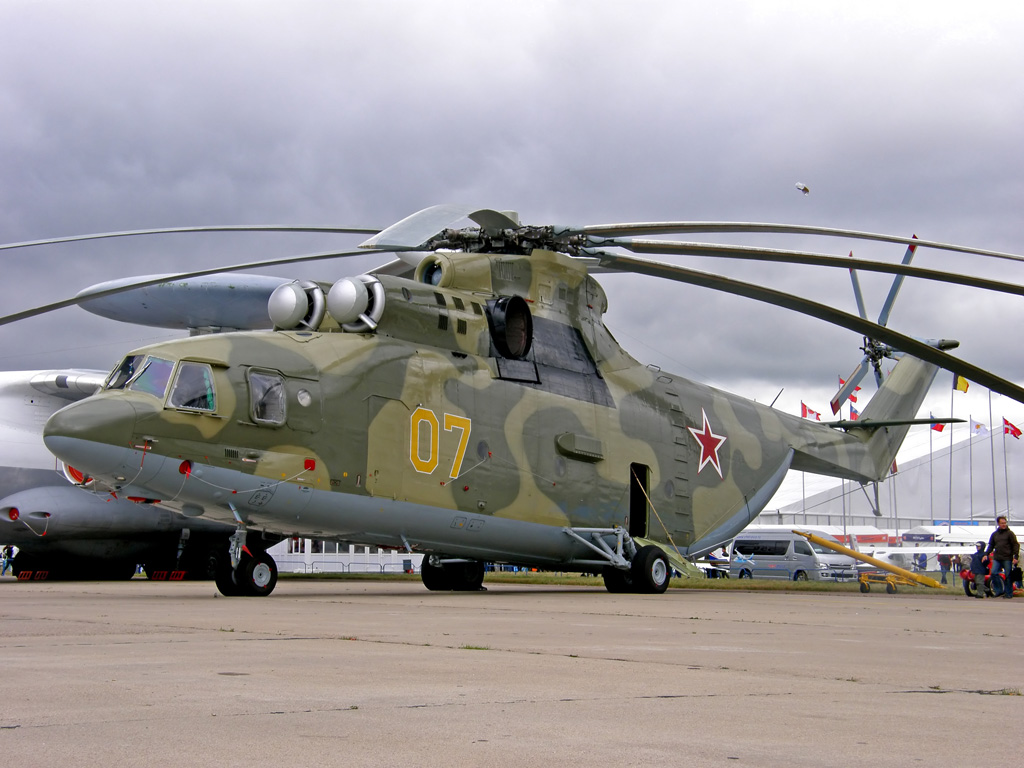
Dmitry Terekhov from Odintsovo, Russian Federation (CC BY SA), vía commons Aviation history
At what altitude could the An-32 operate?
The An-32's service ceiling is 9,500 m (31,200 ft). More striking is its hot-and-high performance: it has outstanding takeoff characteristics at temperatures… more…
Saggittarius A (CC BY SA), vía commons Aviation history
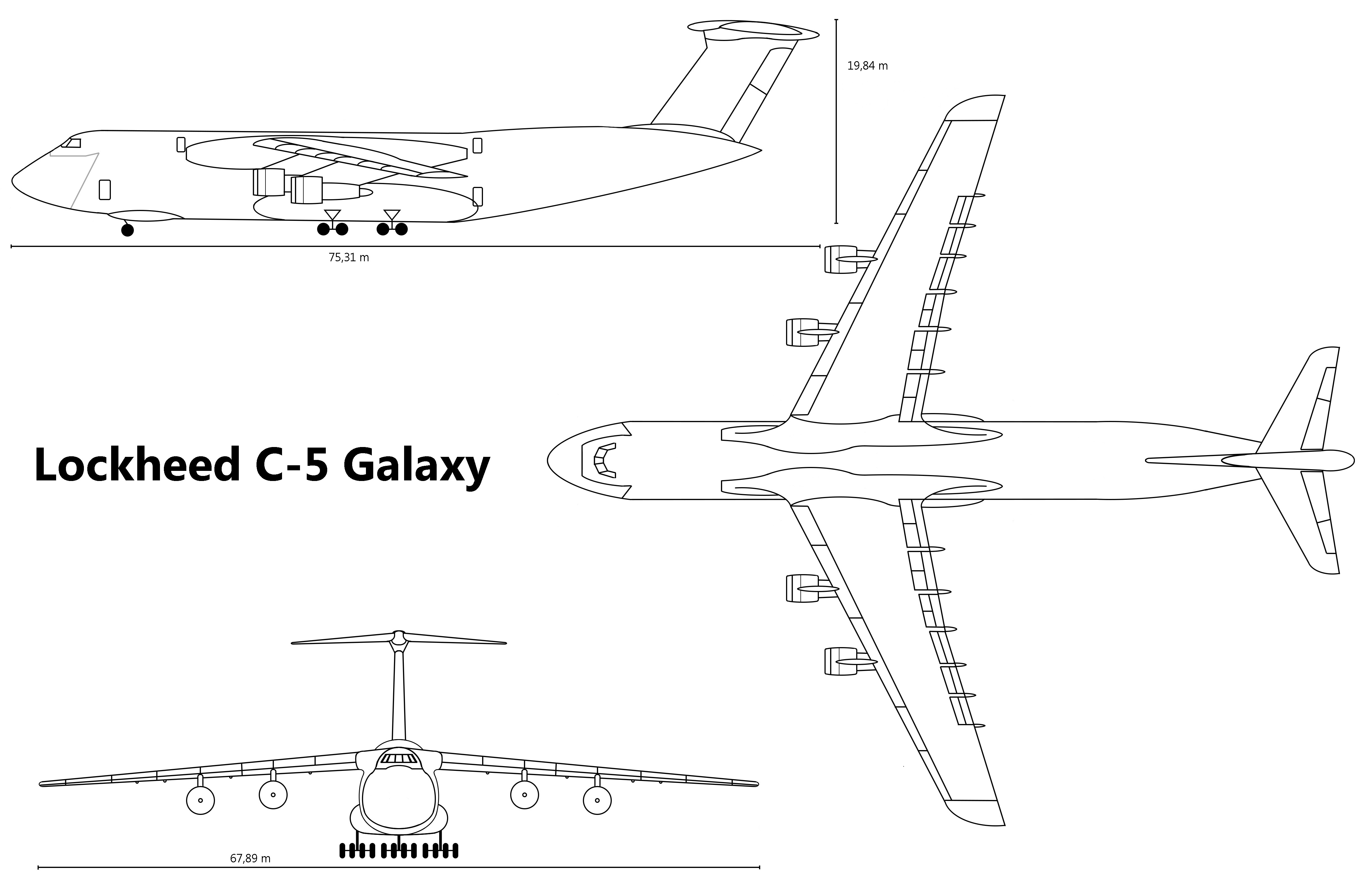
Which Western aircraft was the An-40 compared to?
The Lockheed C-5 Galaxy. The An-124, called An-40 in the West during its development, broadly resembled the American strategic transport, though with… more…
Aviation history
What is the An-72's landing gear like?
Four independent single-wheel main legs that retract inward into sizeable fairings. Combined with high-flotation tyres, that sturdy gear lets the aircraft… more…

Aviation history
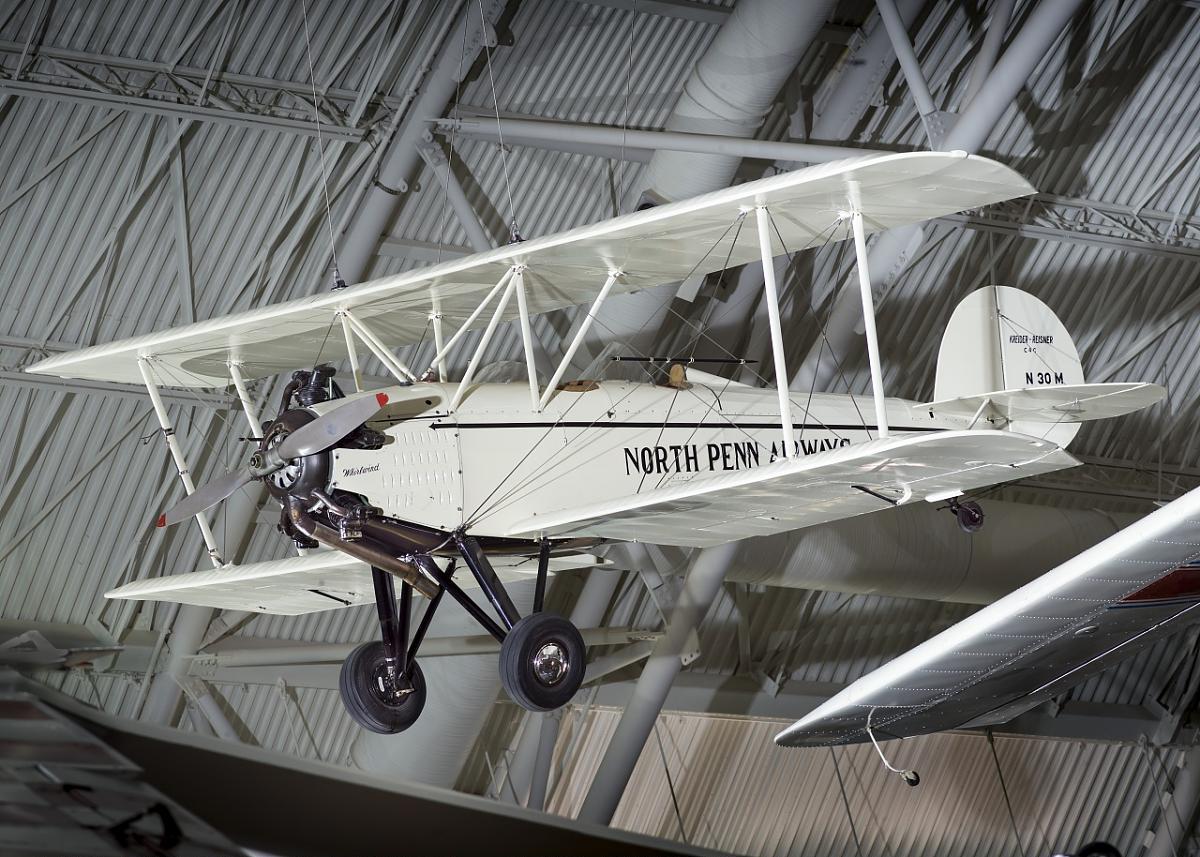
Which fighter replaced the Arado Ar 65E?
The Heinkel He 51: from 1935 it replaced the Arado Ar 65 as a front-line fighter. The He 51 had been designed to replace the Ar 65 and served alongside the… more…
Aviation history
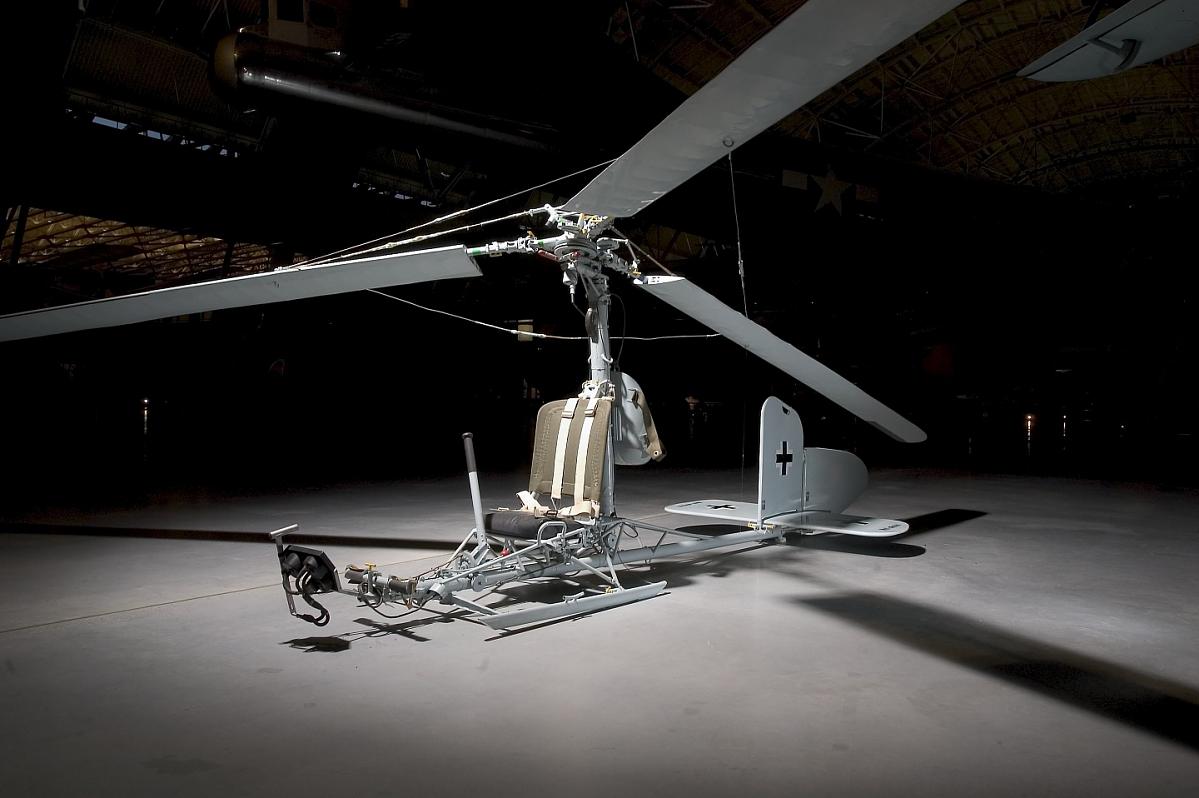
How many float-equipped Ar 66s were built?
Ten: ten production Ar 66B floatplanes were built, in addition to the Ar 66b prototype, the program's second prototype, completed as a floatplane. The main… more…


