Did you know…
How fast was Artemis II going?
Short answer
Orion reentered the atmosphere at about 25,000 miles per hour (mph), according to NASA. During the mission it traveled 695,081 miles in total and reached 252,756 miles from Earth, the farthest a crew has ever traveled, surpassing Apollo 13's 1970 record.

25,000 mph on the way back
The speed NASA highlighted when closing out the flight is the reentry speed: Orion tore through the atmosphere at about 25,000 miles per hour (mph) before splashing down off the coast of San Diego on April 10, 2026. It's the most demanding phase of any lunar return, because all the energy built up during the trip has to end up converted into heat and dissipated through the heat shield in just a few minutes.
That figure marks the difference between returning from low Earth orbit and returning from the Moon. A spacecraft coming back from the lunar environment reaches the edge of the atmosphere after falling from much farther away, and enters considerably faster than a capsule returning from the International Space Station. That's why the heat shield was one of the elements the test flight had to validate with a crew on board.
695,081 miles traveled
In total, the crew traveled 695,081 miles and reached a maximum distance of 252,756 miles from Earth, surpassing the distance record Apollo 13's astronauts had held since 1970. The closest approach to the Moon was 4,067 miles above the surface: a wide flyby, without lunar orbit or a landing. The mission ran from April 1 to April 10, 2026, and lasted about ten days.
Speed isn't a fixed number
As with any translunar flight, Orion didn't hold a constant value. The trans-lunar injection burn accelerated it to leave Earth orbit; afterward it kept slowing as it moved farther away, lunar gravity curved its path during the flyby, and the fall back toward Earth sped it up again to the reentry value. That's why any single-figure answer refers to one specific moment, and the moment that gets measured and published is the one on the way home.
More questions
Moon and Mars
How does neil armstrong look like?
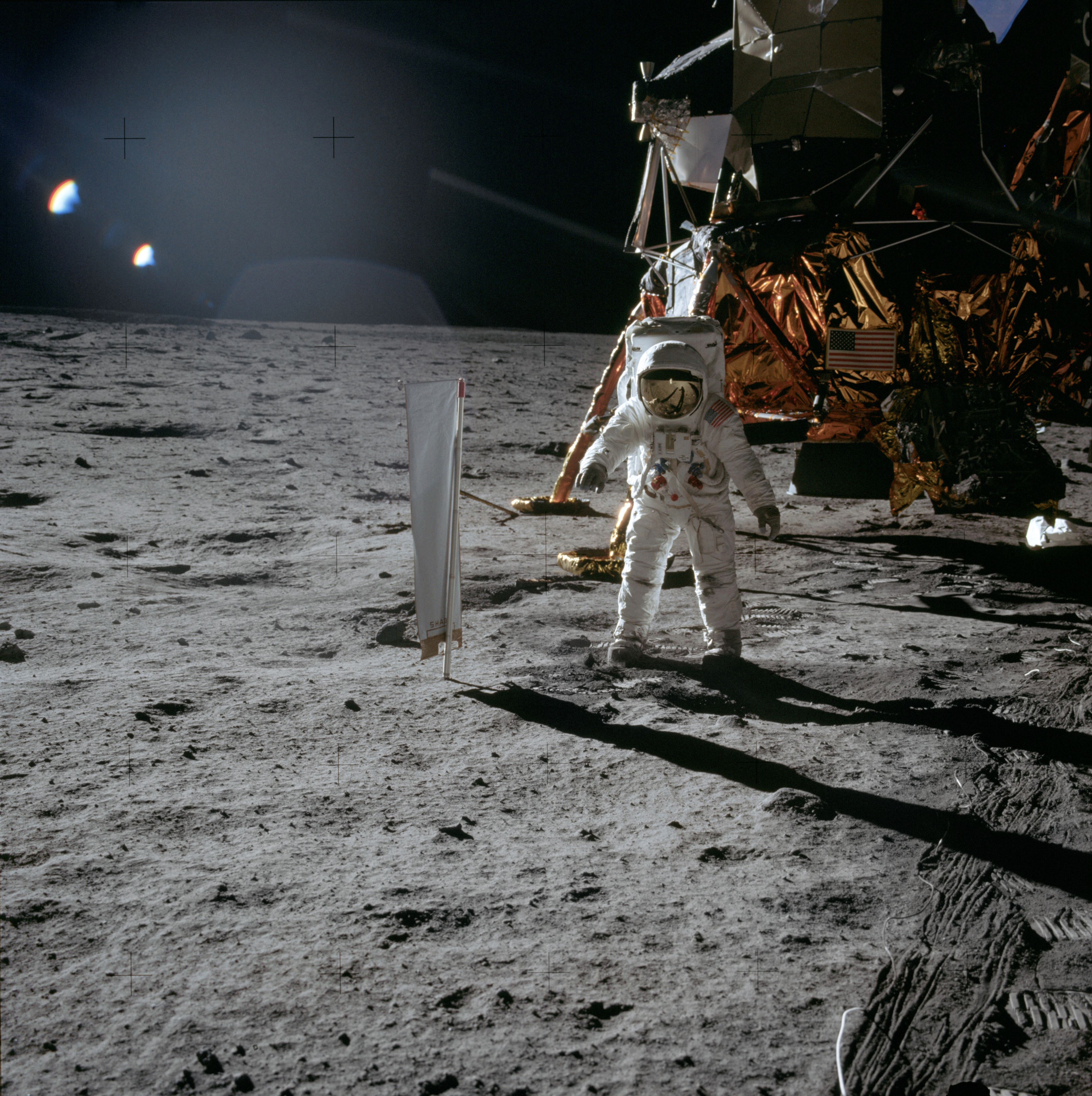
The face most people picture is not his: the gold-visored astronaut in the famous Apollo 11 photograph is Buzz Aldrin, shot by Armstrong. Armstrong himself is… more…

Richard Dorrell (CC BY SA), vía commons Moon and Mars
How does the moon affect the tides?
By pulling unevenly on it. Tidal forces vary inversely as the cube of the distance, so the near side of the Earth is tugged harder than the far side: one… more…
Moon and Mars
Why does neil armstrong have a hollywood star?
Strictly he does not have a star. Armstrong, Aldrin and Collins share four circular monuments resembling the Moon, one at each corner of Hollywood and Vine… more…
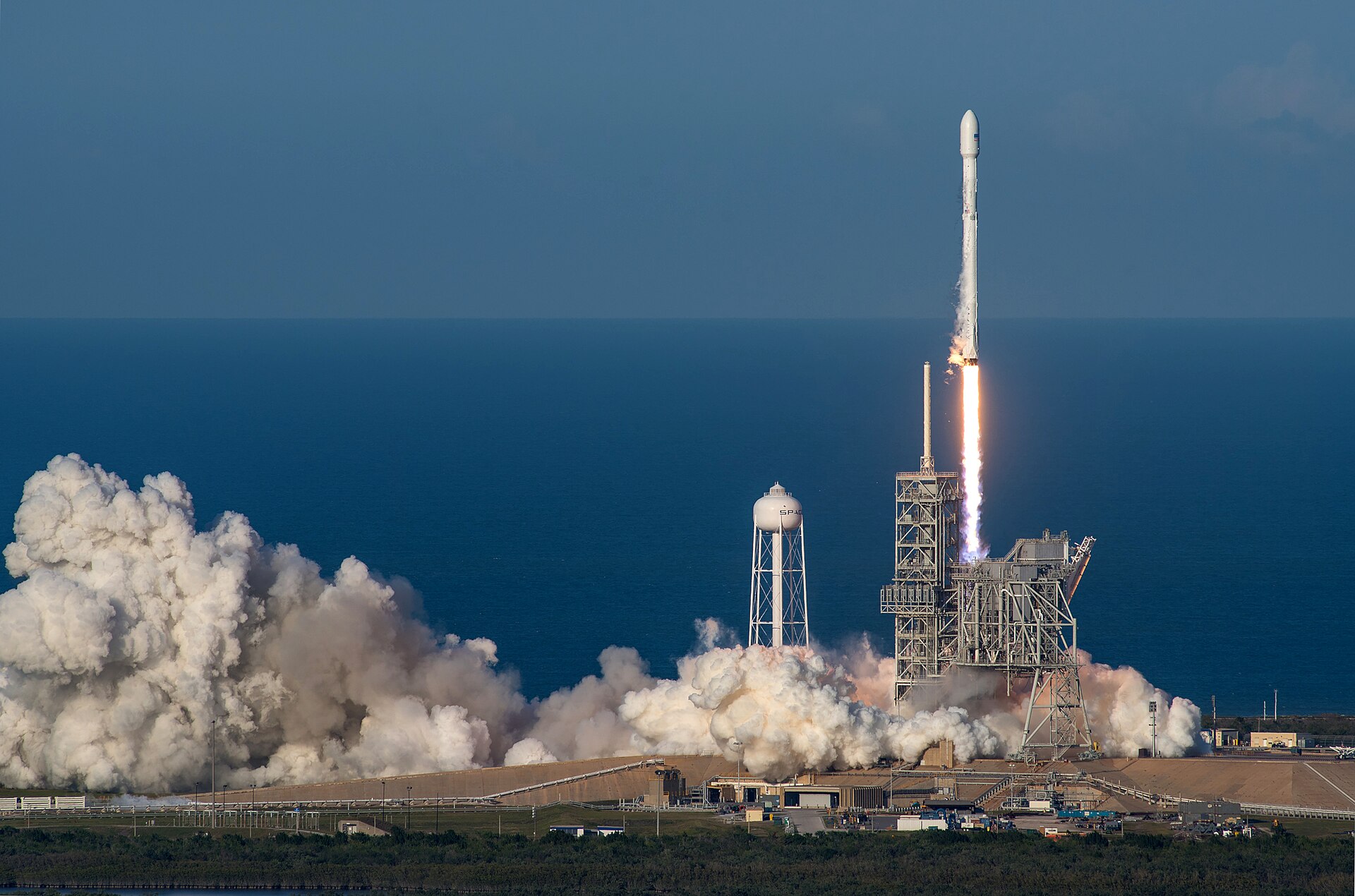
Foto: SpaceX (CC0) Moon and Mars
Why did falcon 9 hit the moon?
Because a spent upper stage on a lunar trajectory has no mission and no way to steer. A Falcon 9 upper stage from the January 2025 Firefly Blue Ghost 1 launch… more…
Moon and Mars
How much apollo 11 cost?
NASA never published a price for Apollo 11 on its own; what is documented is the program. The United States spent $25.8 billion on Project Apollo between 1960… more…
Moon and Mars
How much time neil armstrong spent on moon?
Armstrong and Aldrin spent 21 hours, 36 minutes on the Moon's surface, almost all of it inside the lunar module Eagle. Armstrong stepped onto the surface… more…

