Did you know…
What is an airplane cabin?
Short answer
The term "cabin" can refer to two spaces: the flight deck or cockpit, where the pilots operate the aircraft, and the passenger cabin, the pressurised compartment occupying most of the fuselage. Both are kept at a pressure equivalent to an altitude of no more than about 2,400 m (8,000 ft).

The flight deck
The flight deck occupies the nose of the aircraft and, since the 2001 attacks, has been separated from the passenger cabin by an armoured door. The two pilots sit facing screens that replaced analogue instruments starting in the 1980s: artificial horizon, speed, altitude, navigation and systems status. Between them, the pedestal holds the throttle and flap levers; above, the overhead panel groups fuel, hydraulics, electrics and pressurisation controls. An Airbus is flown with a sidestick; a Boeing, with a control column. Everything is duplicated so that either pilot can fly the aircraft alone.
The passenger cabin
The passenger cabin is a pressurised tube containing seats, galleys, lavatories and overhead bins. Narrow-body aircraft have a single aisle; wide-body aircraft have two. Cabin crew have folding seats next to the exits. The layout is decided by the airline within certified limits: all occupants must be able to evacuate within 90 seconds using only half of the doors.
Why it is pressurised
At 11,000 m (36,000 ft) outside pressure is a quarter of that at sea level and would not allow breathing. The engines bleed air (or it is supplied by electric compressors, on the 787) which is cooled and fed into the cabin; outflow valves regulate the exit flow to maintain a cabin altitude of 1,800 to 2,400 m (6,000 to 8,000 ft). The air is completely renewed every two to three minutes through HEPA filters, which also explains the dryness of the cabin environment.
More questions
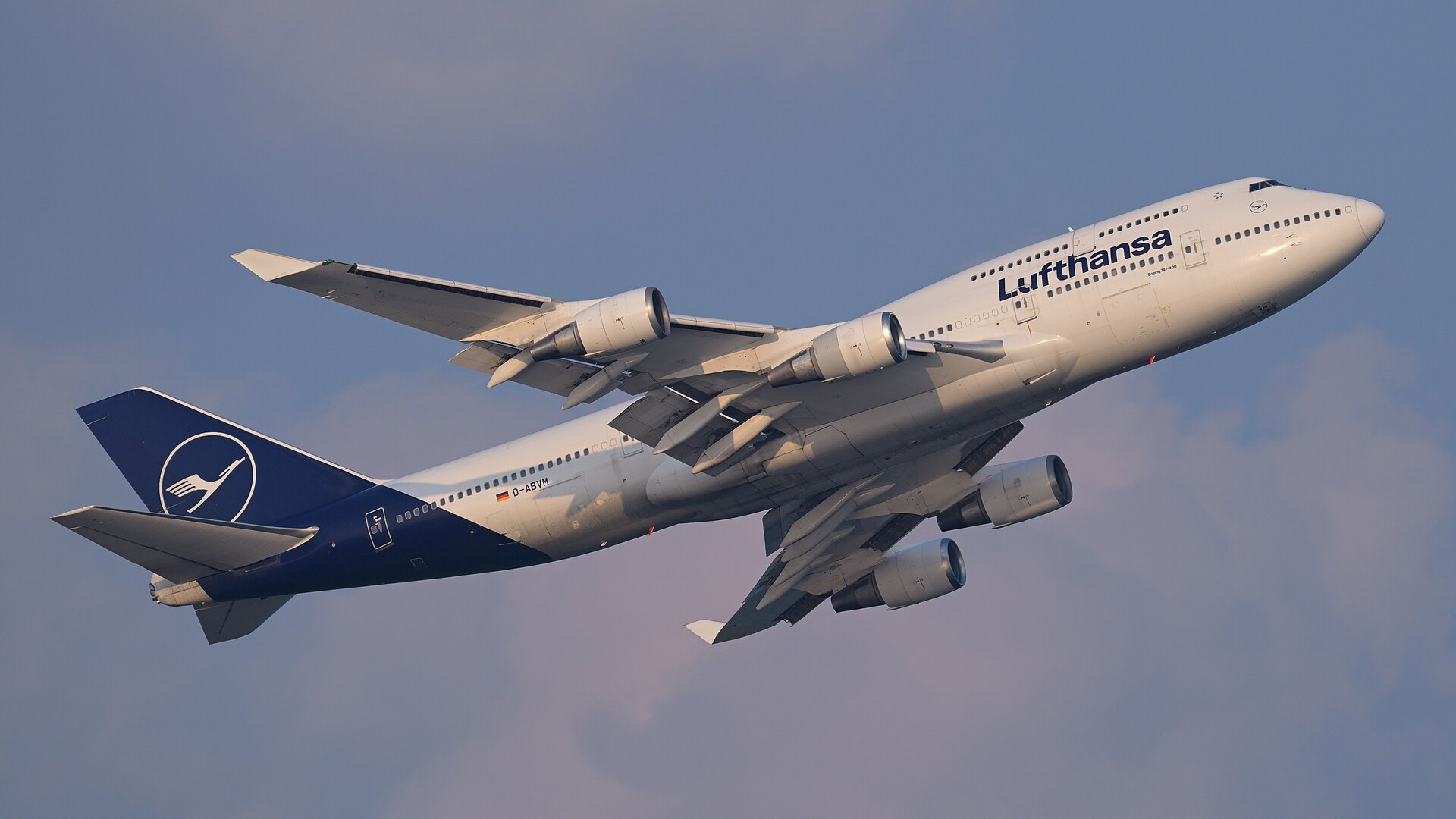
Foto: 4300streetcar (CC BY 4.0) Commercial aviation
Which 747 carried Enterprise "piggyback"?
The first Shuttle Carrier Aircraft was a Boeing 747-123 registered N905NA, originally built for American Airlines and acquired by NASA in 1974. Boeing… more…
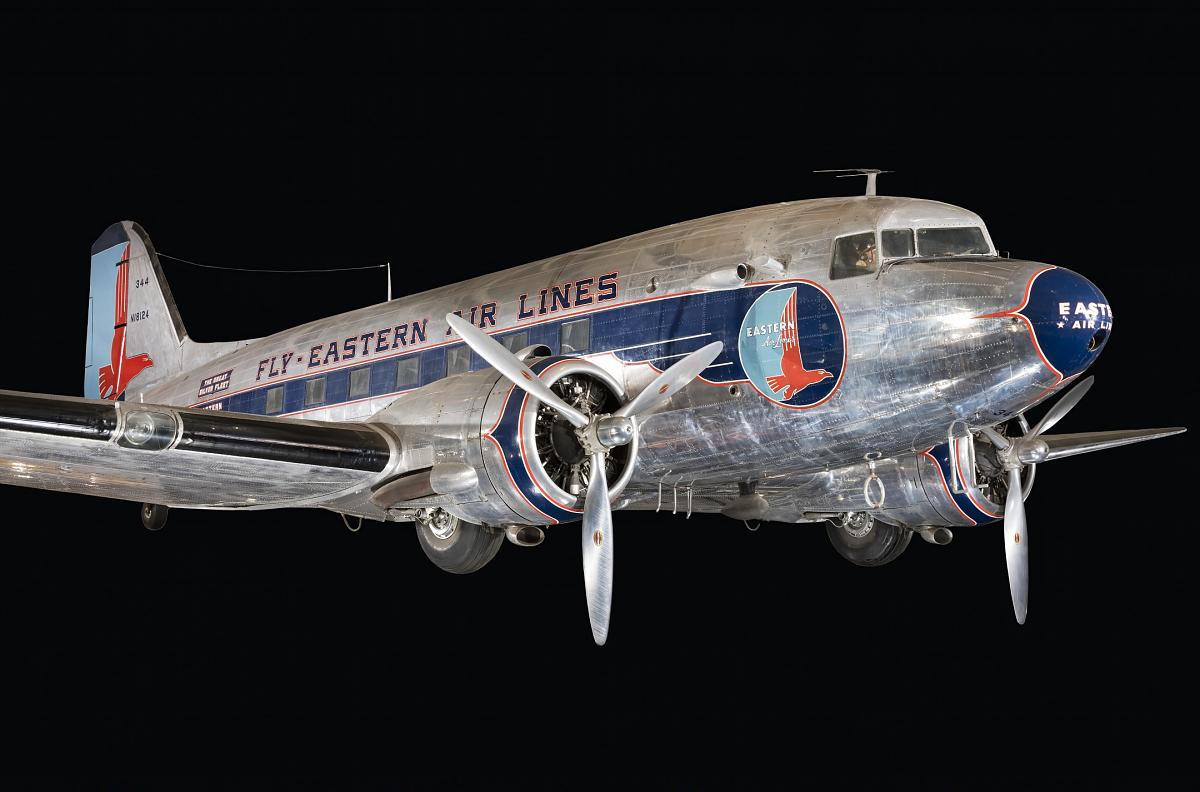
Commercial aviation
Was there an amphibious DC-3?
Yes: the Douglas XC-47C was created by fitting Edo Model 78 floats onto a standard C-47. The single-step metal floats carried retractable wheels that also… more…
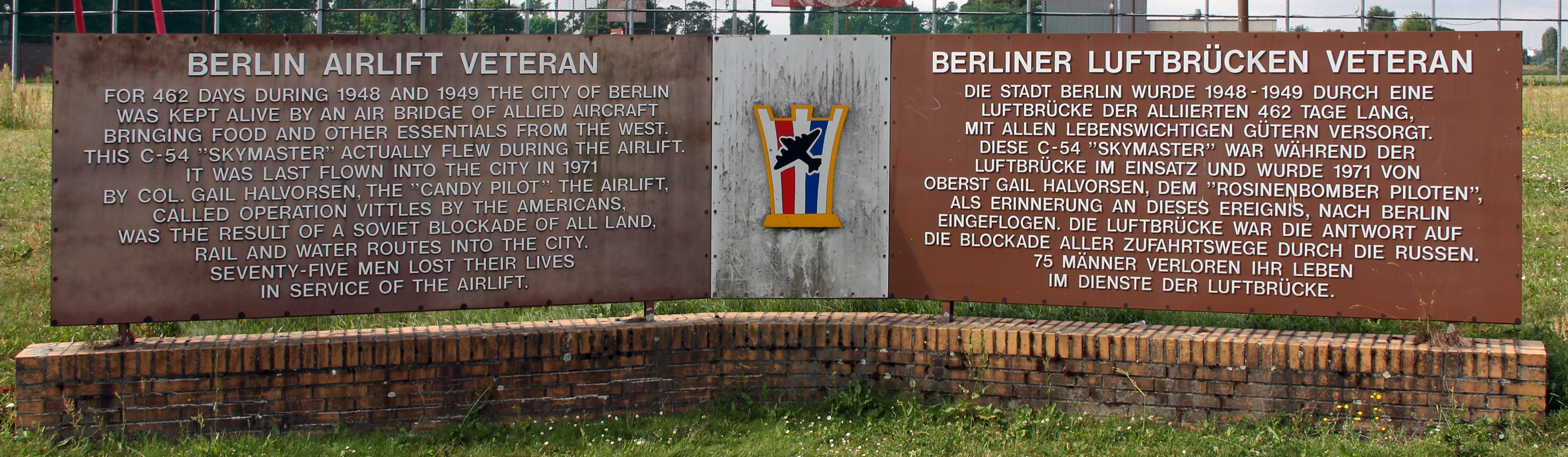
OTFW, Berlin (CC BY SA), vía commons Commercial aviation
Was a C-47 converted into a glider?
Yes: the Douglas XCG-17 was an assault glider created by converting a twin-engine C-47 Skytrain during World War II. Its engines were removed and the nacelles… more…
Commercial aviation
What did the USSR build from the DC-3?
The USSR built a version of the DC-3 under a licence granted to its government on 15 July 1936. It was designated PS-84 and, in 1942, renamed Lisunov Li-2… more…
Commercial aviation
What was "Puff, the Magic Dragon"?
It was the nickname of the Douglas AC-47 Spooky, the first in a series of fixed-wing gunships developed by the United States Air Force during the Vietnam War… more…
Commercial aviation
How did the RAF refer to the C-47?
The RAF called it Dakota: the Dakota I was the designation for 53 C-47s received under Lend-Lease. The Dakota III designated 962 C-47A Skytrains. The Dakota… more…


