Did you know…
Why was the Siskin notable in the RAF?
Short answer
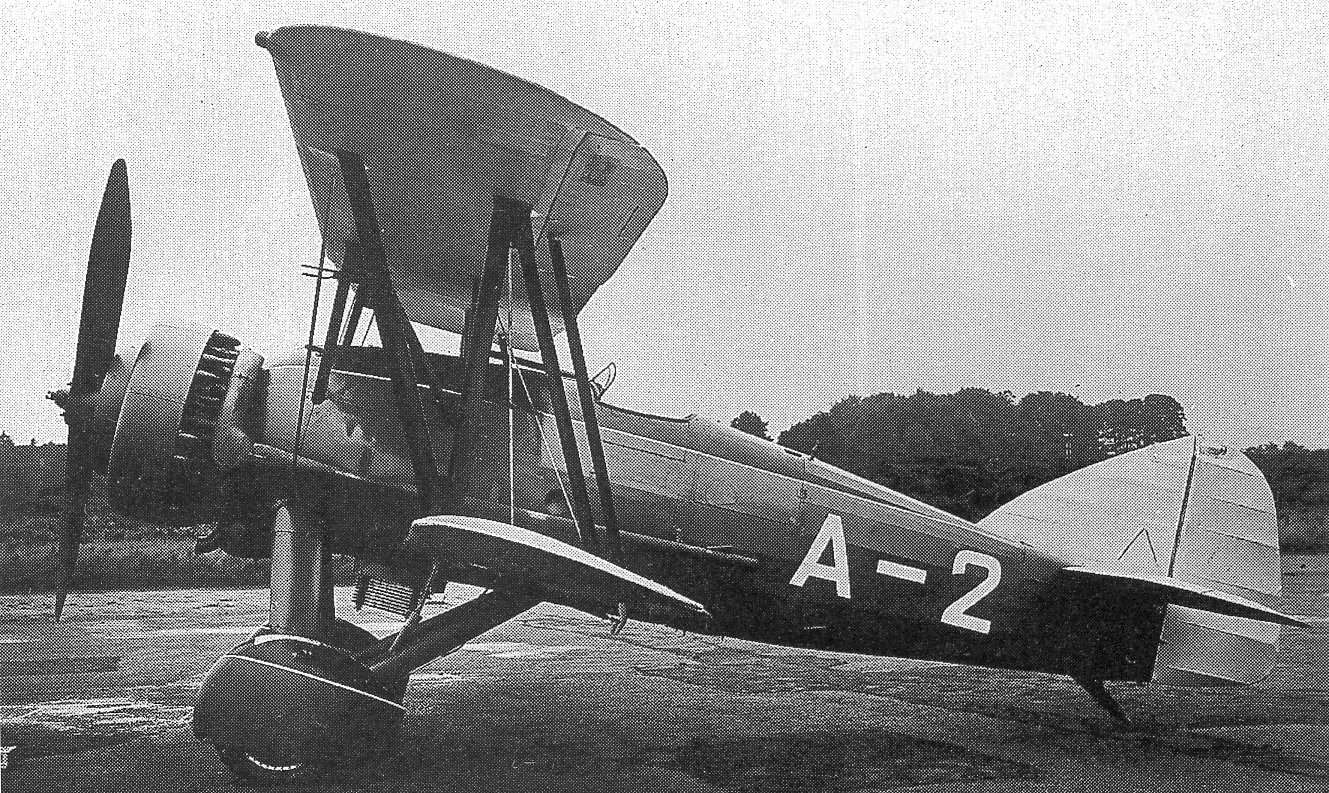
It was the first all-metal fighter operated by the RAF and one of the first new fighters to enter service after the end of World War I. The first Siskin IIIs were delivered to No. 41 Squadron at RAF Northolt. The main variant, the IIIA, saw 348 aircraft built, 340 for the RAF.

The RAF's first all-metal fighter
The Siskin was the first all-metal fighter operated by the Royal Air Force, and also one of the first new fighters to enter service after the end of World War I. The RAF's first Siskin IIIs were delivered to No. 41 Squadron at RAF Northolt. The Siskin III was the all-metal production version, with 64 aircraft built for the RAF.
From Dragonfly to Jaguar
By 1920, the engine meant to replace the Dragonfly had been developed enough to be named the Jaguar. A Siskin prototype fitted with the Jaguar first flew on 20 March 1921.
Production, displays and replacement
In September 1926, the first deliveries of the improved Siskin IIIA variant were made, assigned to No. 111 Squadron. The IIIA was the main production variant, ordered in 1926, with a total of 348 aircraft built: 340 for the RAF and eight for the RCAF. Between 1925 and 1931, Siskins were frequently displayed at RAF air shows. Romania ordered 65 aircraft but cancelled the order after a fatal accident at Whitley Abbey, Coventry, on 18 February 1925, in which a Romanian pilot died crashing on takeoff during acceptance trials. In October 1932, the last Siskins in RAF service were withdrawn, replaced by the more modern and capable Bristol Bulldog.
More questions
Aviation history
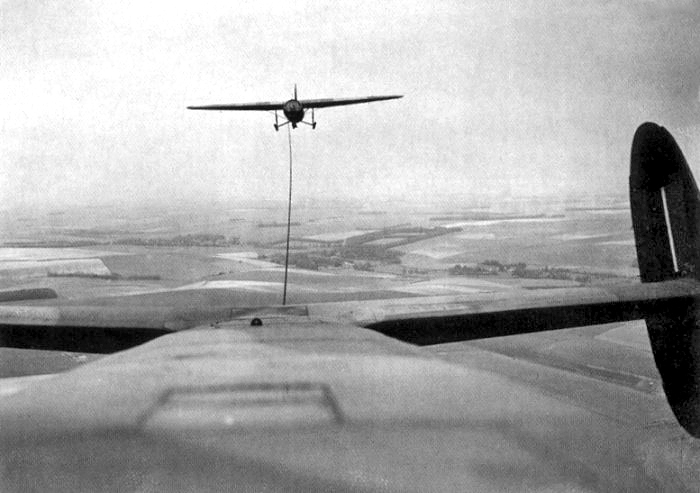
How many Albemarles were cancelled?
Of the Albemarle, 478 aircraft from the second production batch were cancelled, out of original orders for 1,080 planes. On top of that came the Soviet… more…
ZemplinTemplar (CC BY SA), vía commons Aviation history
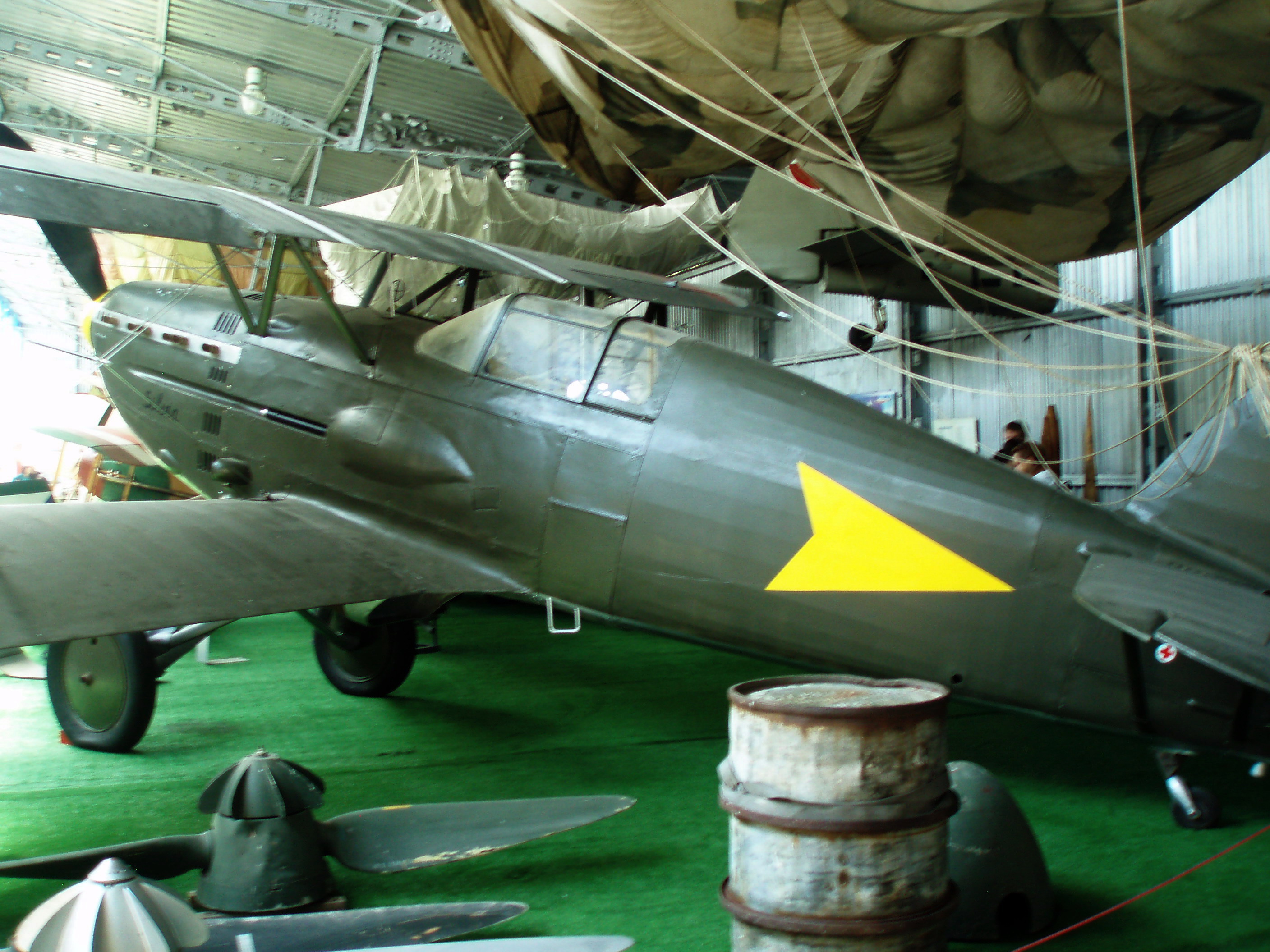
How many Avia B.534s were built?
Avia B-534 production amounted to 568 examples completed by 1939. Deliveries to the Czechoslovak Air Force began in October 1935; in 1937 a batch of fourteen… more…
Aviation history
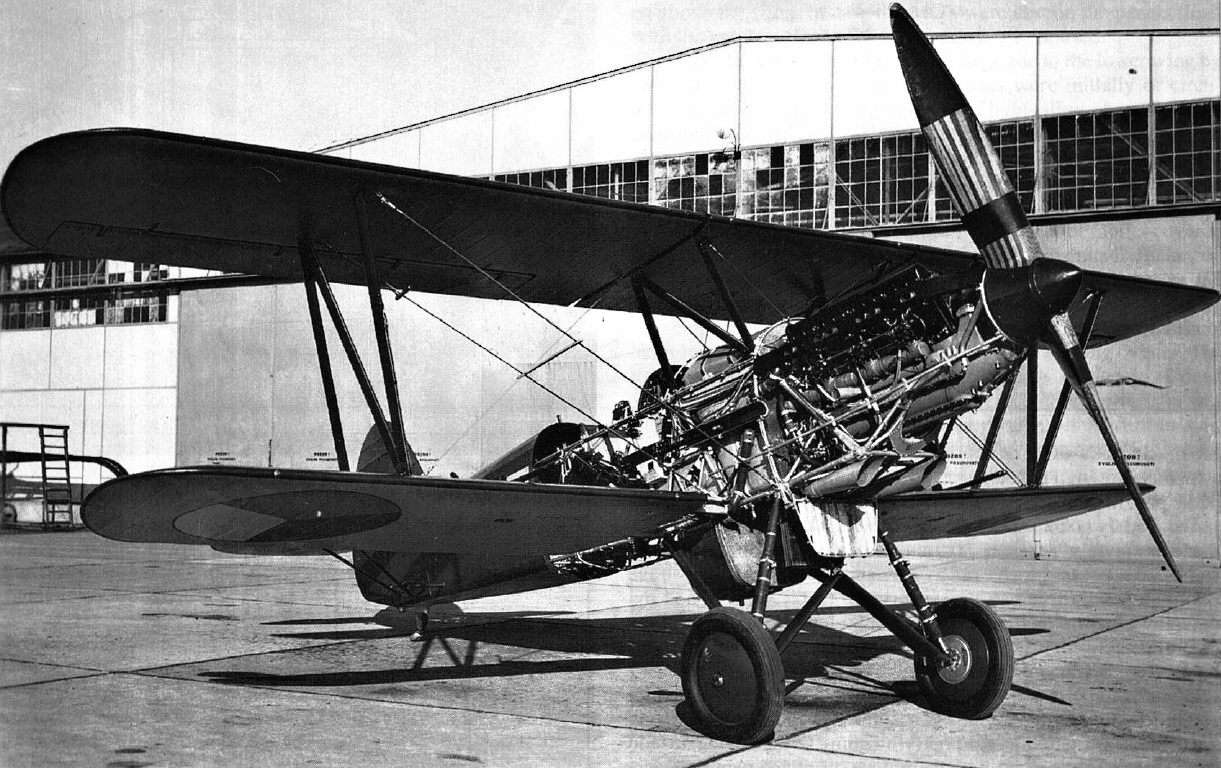
What Czech aircraft was tested for the aircraft carrier Graf Zeppelin?
The Avia Bk-534: three aircraft were modified to serve aboard the German aircraft carrier Graf Zeppelin, a ship that was never completed. They were fitted… more…
Aviation history
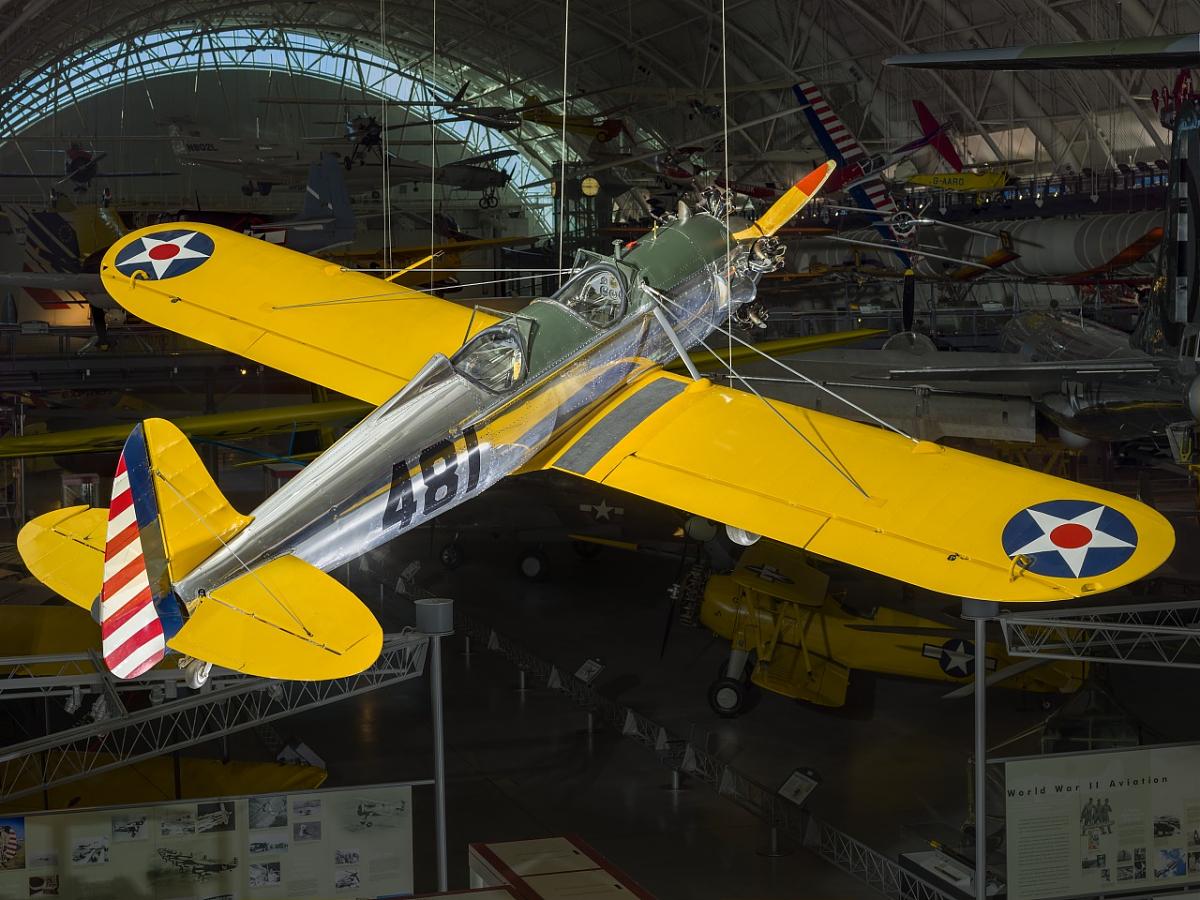
What aircraft could be towed by a car?
It was the Avia BH-12, not the BH-9: this 1924 Czechoslovak two-seat sport aircraft, the final development of the BH-9 family, had a redesigned wing that… more…
Benjamint444 (CC BY SA), vía commons Aviation history
Who designed the P.19 Scricciolo?
The Scricciolo was designed at the Politecnico di Milano's Centro Volo a Vela to compete in an Aero Club d'Italia contest for a light civil trainer. The CVV… more…
Aviation history
Which country received the Scimitars?
Norway: four A.W.35 Scimitars were ordered for the Norwegian Army Air Service, with a licence production agreement at Kjeller. All four aircraft were… more…


