Did you know…
How long do satellites operate?
Short answer
Satellites usually stop working when the fuel for orbit and attitude correction runs out; radiation, aging batteries, and solar cells set the second limit. Since 2022, the U.S. FCC has required new low-orbit satellites to be removed within five years of the end of service. Exceptions last decades: Voyager 1 has been transmitting since 1977.

What Ages a Satellite
The hard limit is almost always fuel. In geostationary orbit, position must be corrected continuously, and in low orbits the residual atmosphere drags on the satellite and forces its orbit to be raised. In parallel, everything else ages too: solar cells lose power under radiation, batteries can only withstand a limited number of charge-discharge cycles, reaction wheels wear out at their bearings, and energetic particles damage the electronics. Redundant components extend service life, but they don't replace an empty tank.
A Planned End Instead of a Breakdown
Well-managed operators reserve fuel at the end to actively deorbit the satellite. In geostationary orbit it gets pushed into a graveyard orbit above the traffic; from low orbits it is deliberately steered into the atmosphere, where it burns up. Since 2022, U.S. regulations have required new satellites in low orbit to disappear within five years of the end of their service; in Europe, the space agency is pushing for an equally strict approach. Anyone who waits too long risks losing control, and a hull with no maneuverability becomes a collision risk for everyone else.
The Exceptions That Last Much Longer
Some specific spacecraft hold out far longer. Voyager 1 launched on September 5, 1977, and is still transmitting, because it uses radioisotope generators instead of solar cells and doesn't need to maintain any orbit in interstellar space; for years now, individual instruments out there have simply been switched off one by one to save power. The Hubble Space Telescope also remained useful for an unusually long time because crews repaired and upgraded it several times in orbit.
More questions
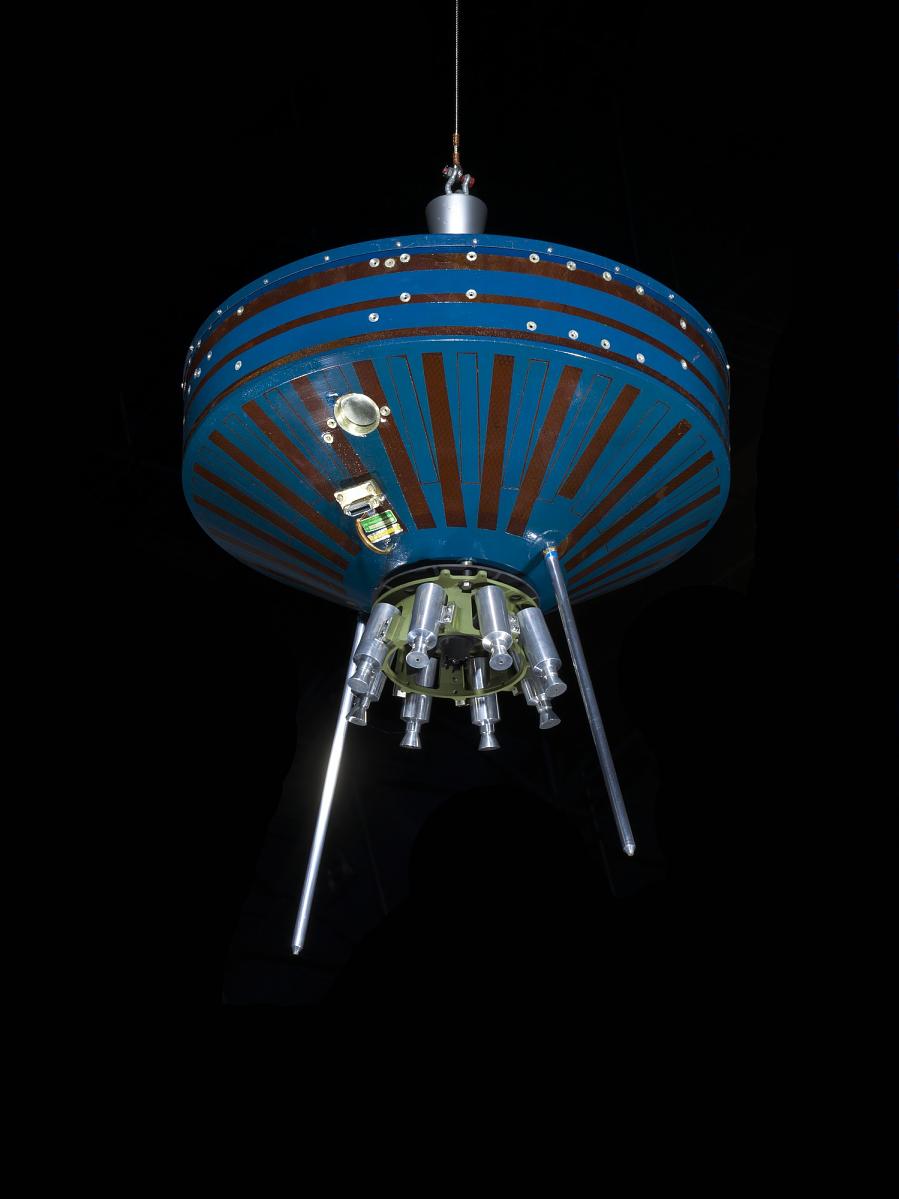
Satellites and orbit
How long can satellites remain in space?
From months to centuries, depending on orbital altitude. In low orbits, residual atmosphere brakes the satellite, which ends up falling without correction… more…
- Image pending
Satellites and orbit
How fast do satellites orbit Earth?
The lower the orbit, the faster: satellites in low orbit fly at about 7.8 kilometers per second and complete one orbit in about 90 minutes. Geostationary… more…
