Did you know…
How long an astronaut can stay in space?
Short answer
There is no fixed limit, only medical and logistical ones. Standard ISS tours last about six months; the record for a single flight is 437 days, set by Valeri Polyakov aboard Mir in 1994-95. Bone loss, radiation dose and crew rotation, not the spacecraft, set the practical ceiling.
-1600.webp)
The six-month rhythm
Aboard the International Space Station a normal tour lasts roughly six months. That is not a medical limit; it is a compromise between the service life of a docked Soyuz or Dragon, the rotation of crews and cargo vehicles, and the time needed to make long research programmes worthwhile. Longer stays happen when circumstances demand them, and they are treated as data points for future missions rather than as stunts.
The 437-day outlier
The record for a single spaceflight still belongs to the Russian physician Valeri Polyakov, who spent 437 days aboard the Mir station between January 1994 and March 1995 and walked, with help, from the descent capsule afterwards. The flight was designed to answer one question: could a crew survive the journey to Mars and still be able to work on arrival? The answer, cautiously, was yes. The longest single American flight, just over a year, was an accident of logistics: a coolant leak in Frank Rubio's Soyuz in 2022 left him waiting for a replacement ship. Cumulative careers run far longer, and several cosmonauts have logged more than a thousand days across multiple flights.
What sets the ceiling
Nothing about a spacecraft stops it from staying up. The limits are biological and logistical. In free fall bones lose mineral density month after month, muscles atrophy, fluids shift towards the head and press on the optic nerve, and the immune system behaves oddly. Beyond low Earth orbit radiation becomes the binding constraint, because the crew leaves the protection of the magnetosphere. Then come the mundane limits: food, spare parts, carbon-dioxide scrubbers and the psychological cost of confinement. Exercise, careful diet and scheduled rotation manage the first group; only shielding, faster transfers or artificial gravity would loosen the second.
More questions
.jpg)
Astronauts and life in space
Why does astronauts float in space?
Because they are in free fall, not because gravity is absent. At the International Space Station's altitude of about 400 km, Earth still pulls almost as hard… more…
YSSYguy (CC BY SA), vía commons Astronauts and life in space
Why did yuri gagarin die?
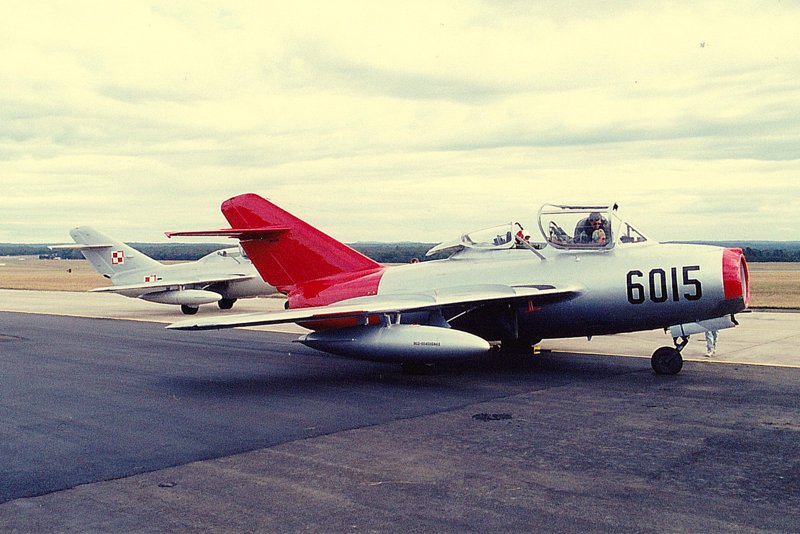
Gagarin died in an aircraft crash, not in a spacecraft. On 27 March 1968 the MiG-15UTI trainer he was flying with instructor Vladimir Seryogin went down in… more…

Astronauts and life in space
How much an astronaut is paid?
NASA's civilian astronauts are ordinary federal employees, paid on the General Schedule grade-and-step scale with no bonus per flight, per spacewalk or per… more…
.png)
Astronauts and life in space
Why is blue origin so slow?
Blue Origin was built on deliberate, owner-funded incrementalism: its motto is Gradatim Ferociter, step by step, and it spent its first two decades on… more…
Astronauts and life in space
When did astronauts last walk on the moon?
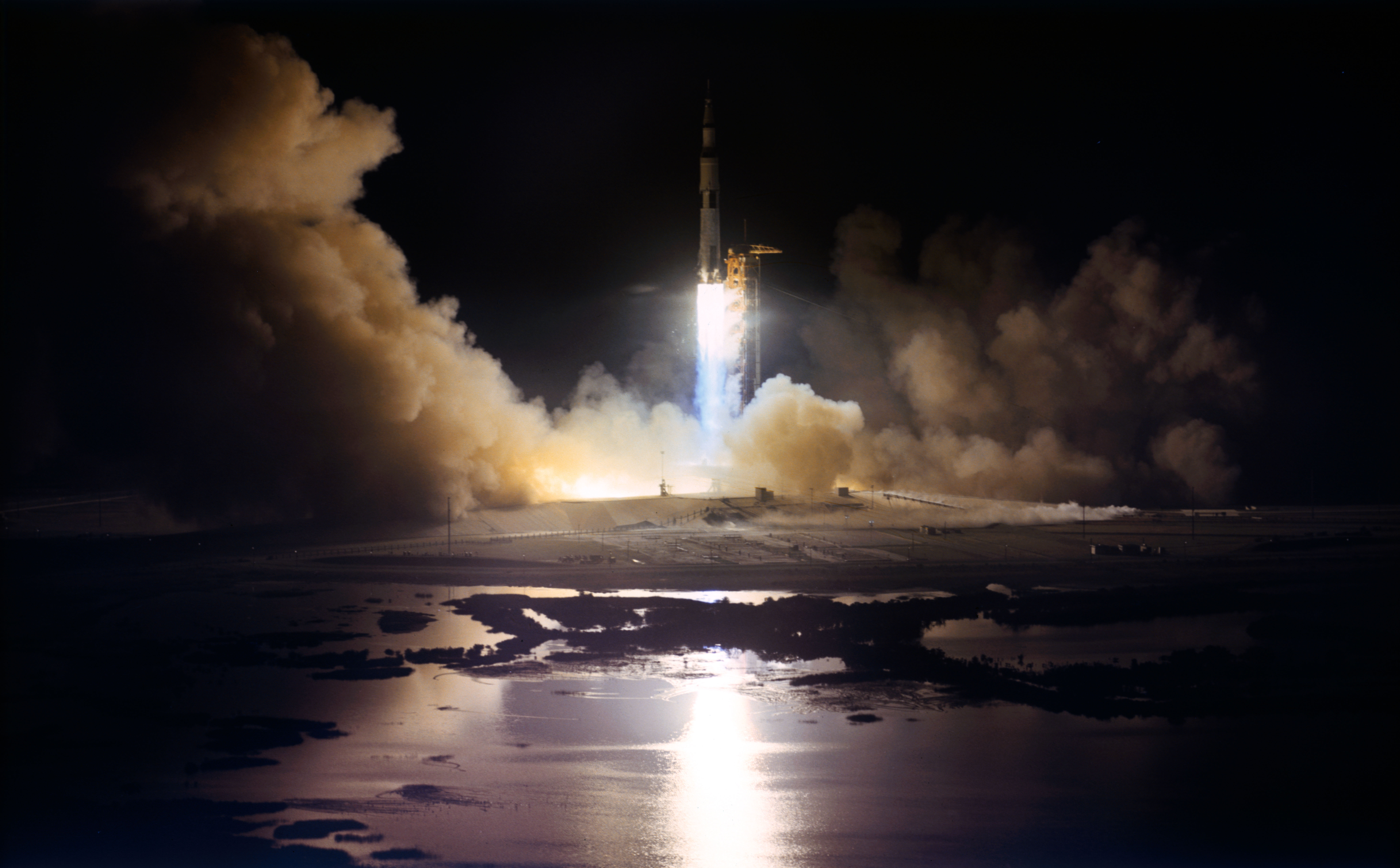
Apollo 17, in December 1972. Eugene Cernan and Harrison Schmitt landed in the Taurus-Littrow valley on 11 December 1972, worked on the surface for three days… more…
Astronauts and life in space
How high do astronauts orbit the earth?
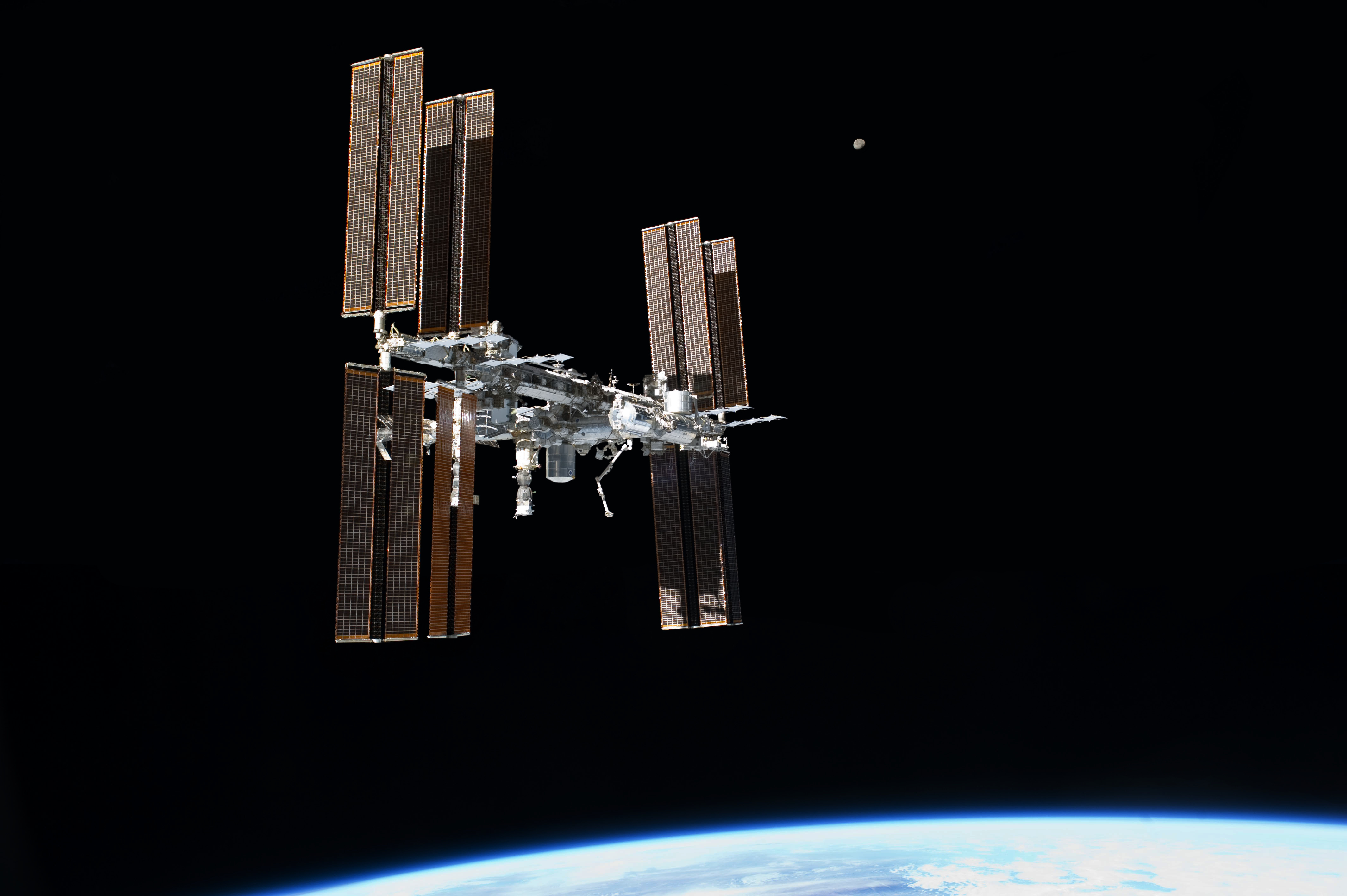
Crewed spaceflight today happens a few hundred kilometres up. The International Space Station orbits at about 400 km, lapping the planet roughly every 90… more…


