Avro Lancaster variant
Avro Lancaster B.I
The original Lancaster, powered by Rolls-Royce Merlin XX engines with SU carburettors and the most numerous version of the programme at 3,425 aircraft.

- 3,425
- Units built
- 4,070 km
- Range
History
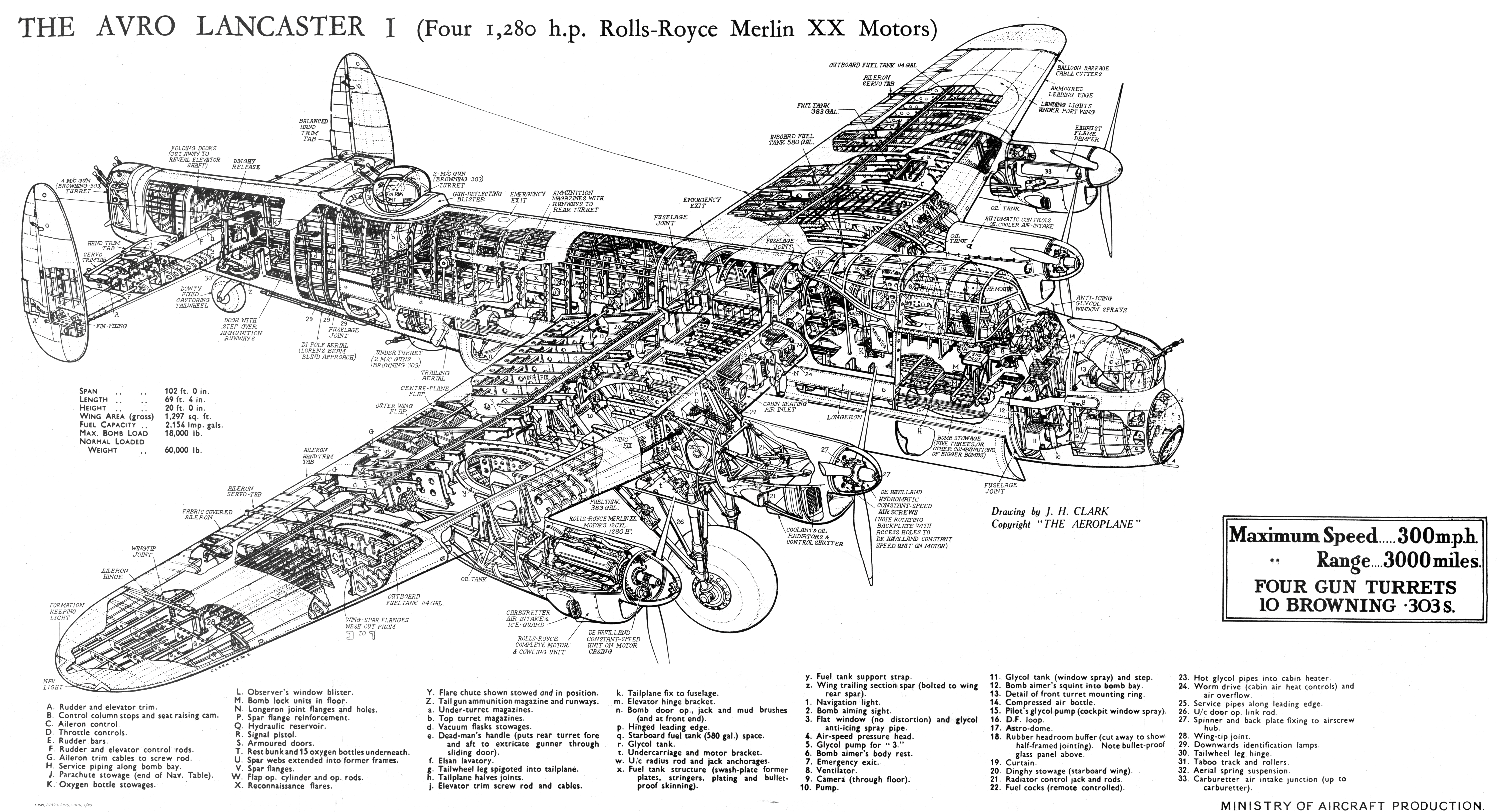
The B.I was the baseline version and the one that fixed the type's shape: four Rolls-Royce Merlin XXs with SU carburettors, a crew of seven and the unobstructed ten-metre bomb bay. The last Avro Manchester airframes still on the line were completed straight away as Lancaster B.Is.
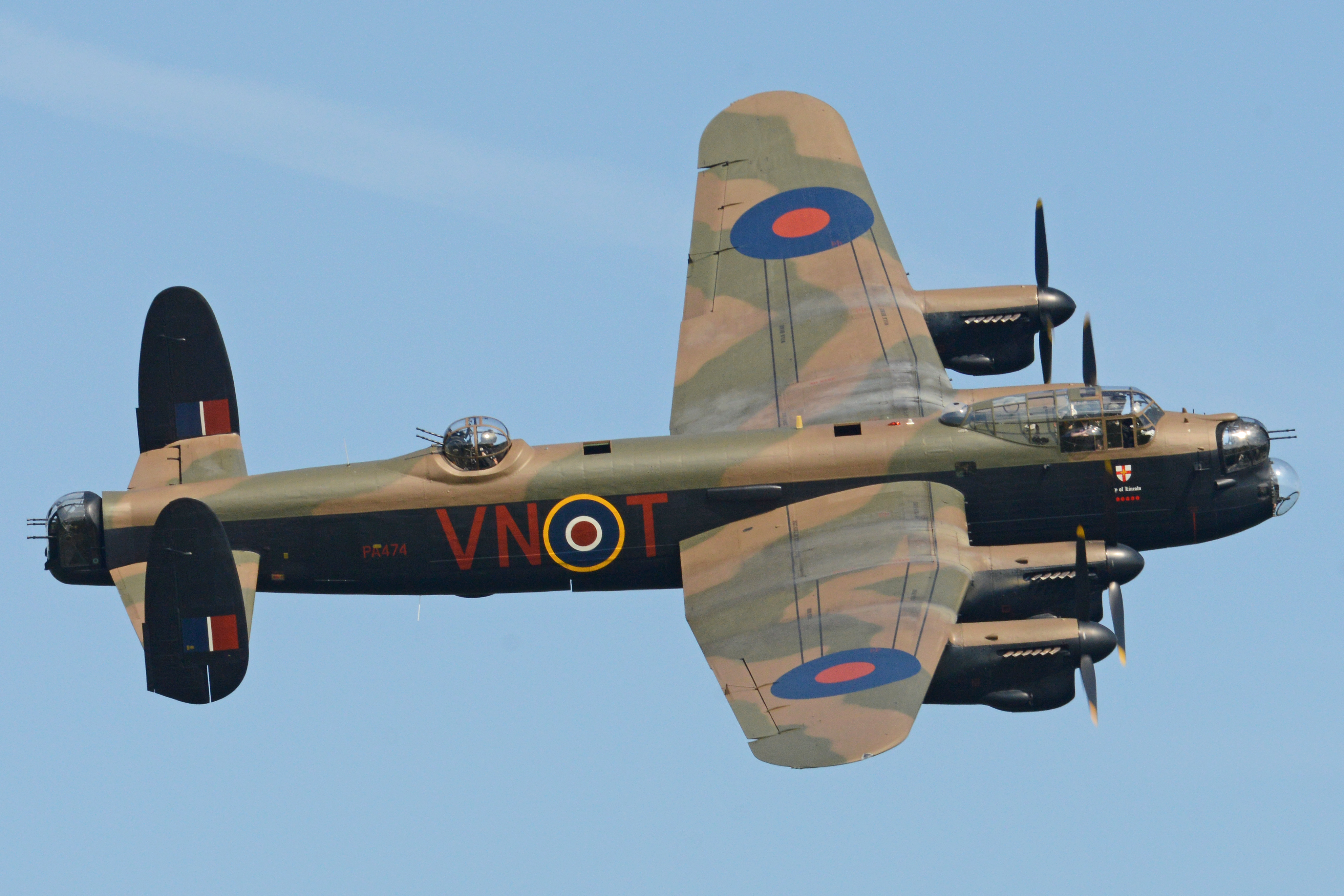
The mark changed little over its production life, partly because the original structure was so sound. The fuselage side windows were deleted, the bomb aimer's perspex nose blister was enlarged and a bigger astrodome fitted; the pitot head moved from a nose mast to a fairing on the side of the fuselage below the cockpit, and de Havilland needle-blade propellers gave way to Hamilton Standard and Nash Kelvinator paddle blades. Late aircraft had Merlin 22 and 24 engines without any change of designation. Around thirty per cent received bulged bomb bay doors for heavier loads. Early machines carried the FN-64 ventral turret, almost always removed as useless; fifty Austin-built B.Is emerged with a Frazer Nash turret mounted directly above the bomb bay, an unpopular arrangement because it blocked the internal walkway. The B.I was never superseded in production and was built until February 1946.
Its reference figures, from the Lancaster I data, are 21.13 m long, 31.09 m in span, 16,738 kg empty, 30,844 kg maximum take-off weight, 454 km/h top speed, 4,070 km range and a 6,500 m service ceiling, with a normal bomb load of 18,000 lb (8,200 kg).
Three-view drawing
Multimedia


